







Your Digital-First Document Kit
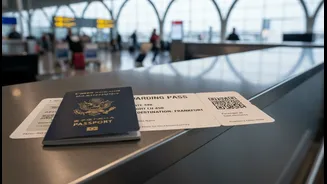
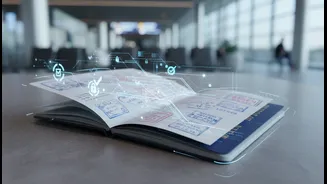
The classic duo of a passport and visa remains non-negotiable, but the travel document landscape is increasingly digital. Your passport must have at least six months of validity from your date of arrival in a foreign country, a rule that is strictly enforced
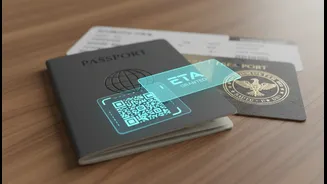
almost everywhere. Beyond this, many countries now use Electronic Travel Authorisations (ETAs) or e-visas, which are digital pre-clearances linked to your passport. Destinations like Australia, Kenya, and Sri Lanka have adopted these systems, requiring travellers to apply online before their flight. Even countries that offer visa-free travel for Indians may require a mandatory digital declaration before arrival. For Indian travellers, even returning home involves a new digital step: the mandatory e-Arrival Card, which replaced paper forms in April 2026. Always keep both digital and physical copies of your passport, visa, tickets, and hotel bookings.
The Rise of Biometric Verification
Get ready for your close-up. Biometric data—your unique physical characteristics like fingerprints and facial features—is now a standard part of the international travel process. This technology is used at multiple points, from submitting applications at visa centres for countries like the US, UK, and the Schengen Area, to clearing immigration at your destination. Major airports worldwide are adopting automated e-gates that use facial recognition to verify your identity against your e-passport, speeding up queues. India itself is a major adopter of this technology. The DigiYatra platform, initially for domestic flights, is being expanded for international travellers, using facial recognition as a single digital token to replace multiple document checks. Similarly, India's Fast Track Immigration – Trusted Traveler Program (FTI-TTP) uses e-gates and biometrics for pre-verified Indian nationals and OCI cardholders to bypass long queues. This global shift aims to enhance security and efficiency, making your face your new boarding pass.
Why You Need That Extra Time Buffer
The long-standing advice to arrive three hours early for an international flight is now more of a hard-and-fast rule than a suggestion. Several factors contribute to longer processing times at airports. A global rebound in travel means more passengers are flooding terminals, while some airports still grapple with staffing shortages that began in previous years. This can lead to long, unpredictable lines at check-in counters, security, and immigration. Furthermore, new digital and biometric checks, while designed for efficiency, can initially add to processing times as both staff and travellers adapt. In some airports, immigration officers have been redirected to assist with security screening, slowing down customs and border control. Arriving with less than a three-hour buffer, especially during peak holiday seasons, risks missing baggage drop-off deadlines or, worse, your flight. Experts now suggest budgeting for four hours for a less stressful experience.
Pro Tips for a Seamless Airport Experience
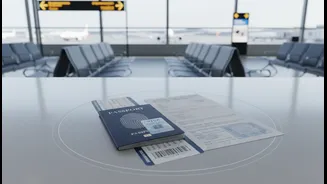
While you can't control airport queues, you can navigate them more efficiently with some preparation. First, complete all possible digital formalities before leaving for the airport. This includes online check-in, submitting any required e-Arrival Cards or health declarations, and downloading the DigiYatra app if travelling within India. Second, organise your documents. Keep your passport, boarding pass, and any visa paperwork in an easily accessible place. Use a travel wallet or a specific compartment in your bag. Third, pack smart to speed through security. Keep laptops and liquids in an accessible part of your carry-on for quick removal. Finally, check your airport's website for real-time wait information if available. Some airports have apps or online dashboards that provide current security and immigration wait times, allowing you to plan accordingly.