
Not All Pickles Are Created Equal
The key difference lies in the liquid they’re preserved in. Most pickles you find on a supermarket shelf are created using a quick-pickling method with vinegar and heat. This process, known as vinegar pickling, creates a consistent, tangy product with a long
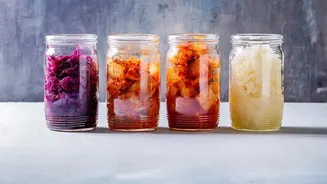
shelf life. However, this method also sterilizes the pickle, killing off both good and bad bacteria. Traditional fermented pickles, on the other hand, are made using a much older process called lacto-fermentation. These pickles are submerged in a simple saltwater brine and left to ferment over days or weeks. During this time, naturally occurring beneficial bacteria get to work.
The Magic of Fermentation
Lacto-fermentation is a natural transformation process. Beneficial bacteria, primarily from the Lactobacillus family, consume the natural sugars in the cucumbers and convert them into lactic acid. This lactic acid is what preserves the pickles and gives them their characteristic sour flavour—a flavour that is often more complex and less sharp than the acetic acid found in vinegar. As these good bacteria multiply, they create a probiotic-rich environment in the jar, turning a simple cucumber into a living food. The brine will turn from clear to cloudy, which is a tell-tale sign that this beneficial microbial activity is well underway.
A Daily Boost for Your Digestion
The primary reason fermented pickles are hailed as a 'superfood' is their probiotic content. Probiotics are live microorganisms that, when consumed in adequate amounts, can offer significant health benefits, particularly for the gut. A healthy gut microbiome—the community of trillions of bacteria living in your digestive tract—is crucial for proper digestion, nutrient absorption, and even immune function. Regularly incorporating probiotic foods like fermented pickles can help support the diversity and population of these friendly bacteria, promoting better digestive balance. The fermentation process also helps break down the food before you even eat it, potentially making nutrients more available for your body to use.
Beyond Probiotics: Other Hidden Benefits
While the probiotic punch is the main event, fermented pickles offer other nutritional perks. They are a source of antioxidants, compounds that help protect your cells from damage. They also retain essential vitamins from the original cucumber, such as Vitamin K, which is important for bone health. Some research suggests the beneficial bacteria created during fermentation can even enhance the nutritional profile of the food. By choosing fermented pickles, you're not just getting a tasty snack; you're consuming a food that has been nutritionally enhanced by nature's own processes.
How to Find True Fermented Pickles
So, how can you tell if you're buying the right kind? First, head to the refrigerated section of the grocery store. Since fermented pickles contain live cultures, they need to be kept cold to halt the fermentation process and preserve their benefits. Shelf-stable pickles are almost always vinegar-based and pasteurised. Second, read the ingredient list. A true fermented pickle will list cucumbers, water, and salt. It should not contain vinegar. Seeing words like 'live cultures' or 'unpasteurised' are also good indicators. For the best quality, local farmers' markets are often a great place to find authentic, traditionally made fermented pickles.