







The Gourd Family: Nature’s Monsoon Shield
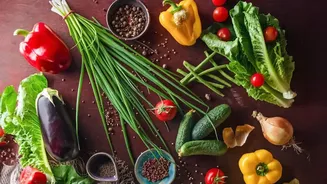
Ayurveda has long championed gourds during the rainy season. Vegetables like bottle gourd (lauki), ridge gourd (turai), and especially bitter gourd (karela) are harvested extensively in August. These vegetables are light on the stomach, easy to digest,
and have a high water content that helps with hydration. Bitter gourd, in particular, is prized for its ability to boost immunity and its natural antimicrobial properties. A simple stir-fry or curry made with these gourds is an ideal, comforting meal for a rainy day, helping to keep infections at bay and supporting overall gut health.
Ginger and Turmeric: The Warming Power Duo
While available year-round, fresh ginger and turmeric are especially beneficial during the monsoon. The damp, cool weather can lead to colds, coughs, and a general feeling of sluggishness. Ginger is a powerful anti-inflammatory and antibacterial agent, known for soothing sore throats and improving digestion. Turmeric contains curcumin, a compound celebrated for its potent antioxidant and immune-boosting properties. Adding these warming spices to your daily tea, dals, and vegetable dishes can help kindle your digestive fire and protect you from seasonal illnesses.
Jamun: The Humble Monsoon Superfruit
The Indian blackberry, or jamun, is a true monsoon specialty fruit. This deep-purple fruit is not just delicious but also packed with nutrients that are perfect for the season. Jamun is rich in Vitamin C and antioxidants, which are essential for a strong immune system. It is also known to be low in calories and beneficial for digestive health. Its availability during the rains is nature’s way of providing a tool to fight off infections while enjoying a sweet, tangy treat. Pomegranates and pears are other excellent fruit choices for this time of year.
Bhutta (Corn): The Quintessential Monsoon Snack
The sight and smell of roasted corn on the cob, or bhutta, is synonymous with the Indian monsoon. As a Kharif crop, corn is harvested during the rainy season, which means it is incredibly fresh and affordable in August. Beyond being a nostalgic treat, corn is a fantastic source of fibre, which helps keep the digestive system running smoothly—a common concern when digestion can become sluggish in the humid weather. Enjoyed simply roasted with salt, spices, and a squeeze of lemon, it is a healthy and satisfying snack.
Moong Dal: The Light and Mighty Lentil
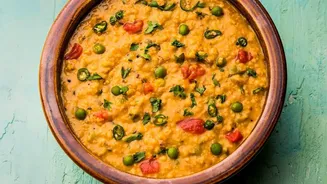
During the monsoon, Ayurveda recommends foods that are light and easy to digest. Moong dal fits this description perfectly. It is one of the most digestible lentils and is incredibly versatile. Whether prepared as a simple dal, a comforting soup, or the classic one-pot meal khichdi, moong dal provides wholesome protein without feeling heavy. A warm bowl of khichdi, gently spiced with turmeric and ginger, is considered by many to be the ultimate nourishing meal during the rainy season, supporting gut health and providing sustained energy.
Hardy Greens and Beans: A Cautious Choice
While many leafy greens are often avoided during the monsoon due to the risk of contamination from mud and pests, some hardier varieties thrive. Cluster beans (gawar) and drumstick leaves are excellent choices that are harvested during this time. Another monsoon delicacy is colocasia leaves (arbi ke patte), which are traditionally steamed and spiced. These greens are rich in essential nutrients, and as long as they are washed thoroughly and cooked well, they make a valuable and nourishing addition to your monsoon diet.