
More Than Just a Sweet Treat
In Bengali culture, exchanging sweets is not a mere formality; it is a profound gesture. It's an expression of warmth, respect, and heartfelt wishes deeply woven into the social fabric. During Durga Puja, this tradition takes on an even greater significance.
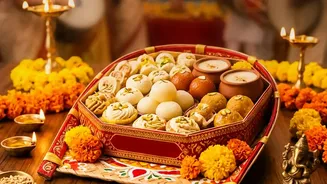
As families and friends visit each other's homes and community pandals, a box of sweets is the perfect accompaniment. It’s a symbol of sharing in the collective joy and seeking blessings, a practice that reinforces community bonds and the spirit of togetherness that defines the festival. This act of giving and receiving mishti is a tangible representation of the sweet relationships cherished within the community.
The Reign of Sandesh
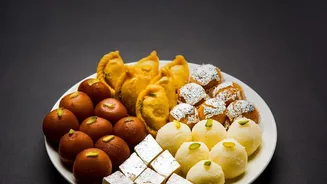
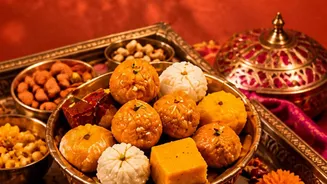
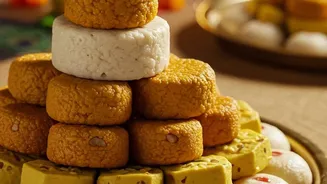
At the heart of Puja gifting lies Sandesh, often hailed as the queen of Bengali sweets. Crafted from fresh chenna (a form of cottage cheese), its variations are a testament to Bengal's culinary artistry. The classic version is subtly sweet and delicate, but during the autumn festival, the Nolen Gurer Sandesh, made with seasonal date palm jaggery, is especially prized. This variety, with its smoky, caramel-like flavour, captures the essence of the season. Gifting an assorted box of Sandesh, with its different shapes, textures, and delicate flavours like saffron or mango, is a sophisticated and cherished gesture.
The Iconic Rosogolla and Its Companions
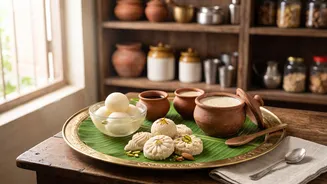
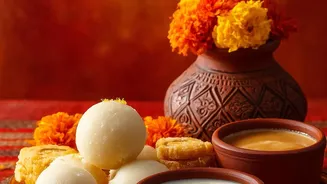
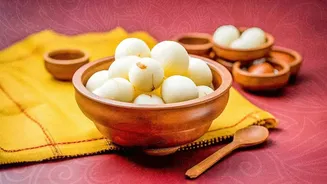
No Bengali celebration is truly complete without the iconic Rosogolla. These soft, spongy balls of chenna soaked in light sugar syrup are a universal favourite. While historically not a traditional offering to the goddess, the Rosogolla has become a staple of festive feasting and gifting due to its immense popularity. Alongside it, you'll often find Pantua, a richer, deep-fried cousin of the Rosogolla, and the elegant Chomchom, which is known for its milky sweetness and delightful texture. Including these crowd-pleasers in a gift hamper ensures that there is something for every palate.
Creamy Mishti Doi and Other Delights
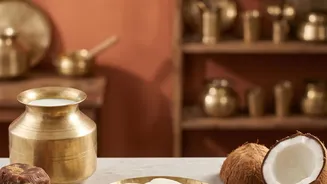
Mishti Doi, or sweet yoghurt, holds a special place in the Durga Puja feast. Traditionally served in earthen pots which lend it a unique flavour, this creamy, caramelised dessert is both an offering to the deity and a beloved treat. Bringing a pot of Mishti Doi when visiting someone's home is a classic and always welcome gift. Other homemade sweets, known as 'naru', also play a vital role. These are small, round sweets, typically made from coconut and jaggery (Gurer Naru) or sugar, and are prepared in households for both offerings and sharing. Their preparation is often a family activity, adding a layer of personal touch and nostalgia to the gift.
A Tradition Evolving with Time
While timeless recipes form the core of Puja gifting, the tradition is not static. Sweet makers today are innovating by creating fusion sweets, such as chocolate-infused Sandesh or mango-flavoured Pantua, which are gaining popularity among younger generations. These modern interpretations sit alongside the classics, broadening the festive palate. However, the essence remains the same: the act of gifting sweets is an act of sharing happiness. Whether it's a simple, homemade Naru or an elaborate box from a famed sweet shop, the sentiment is one of connection and celebration.