

The Sun’s Violent Outbursts
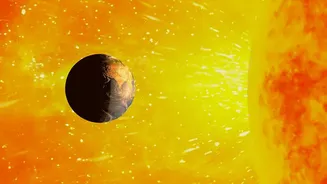
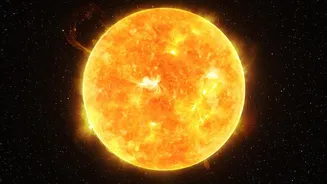
Our star is not always the calm, steady presence it seems. It undergoes cycles of activity, and during its more turbulent periods, it can unleash powerful solar storms. These events, such as solar flares and coronal mass ejections (CMEs), hurl enormous
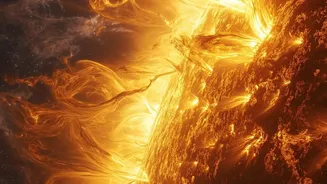
amounts of radiation and charged particles into space. A solar flare is a massive explosion on the sun's surface, releasing energy that reaches Earth in about eight minutes. A CME is a slower but more massive eruption, a giant cloud of solar plasma and magnetic fields that can take one to three days to cross the void and slam into our planet’s magnetic shield. While these events are responsible for the beautiful auroras, they also have the power to wreak havoc on our technology.
Satellites: The Frontline Casualties
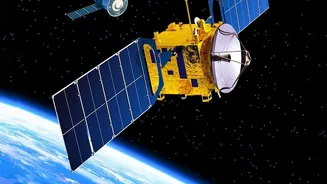
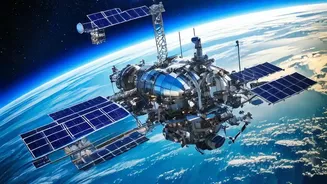
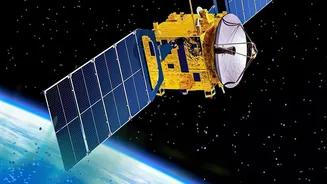
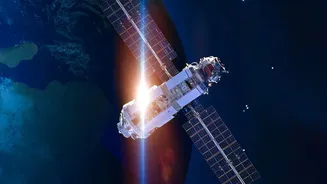
Satellites orbiting outside Earth’s protective atmosphere are highly vulnerable to space weather. The billions of dollars worth of technology enabling global communications, navigation, and weather forecasting can be damaged or disrupted in several ways. High-energy particles can penetrate satellite shielding and corrupt their electronics, causing malfunctions or even complete failure. Intense solar activity also heats and expands Earth's upper atmosphere, increasing the drag on satellites in low-Earth orbit. This can cause them to lose altitude and, in a worst-case scenario, re-enter the atmosphere prematurely, as seen in a 2022 event that caused significant satellite losses. Furthermore, solar storms can disrupt the radio signals used for GPS, leading to navigation errors for aviation, shipping, and logistics industries.
Threatening the Terrestrial Power Grid
The danger from solar storms doesn't stop in space. When a powerful CME interacts with Earth's magnetic field, it can create geomagnetically induced currents (GICs) on the ground. These low-frequency currents can flow through long conductors like power transmission lines, pipelines, and communication cables. If these currents enter high-voltage transformers, they can cause them to overheat, sustain damage, and fail, potentially leading to widespread and long-lasting power outages. The most famous example is the March 1989 storm that caused the collapse of Quebec's entire power grid, leaving millions in darkness for nine hours. A more severe event, like the 1859 Carrington Event which occurred before modern grids, could cause trillions of dollars in damage today.
The Global Watchtowers
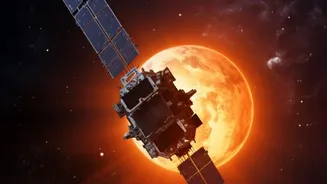
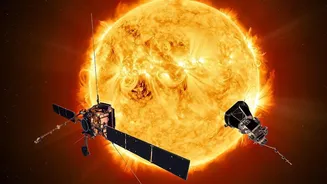
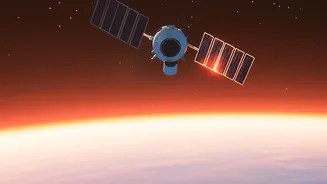
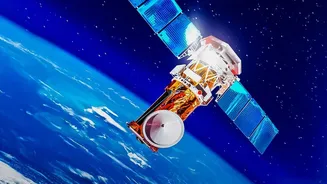
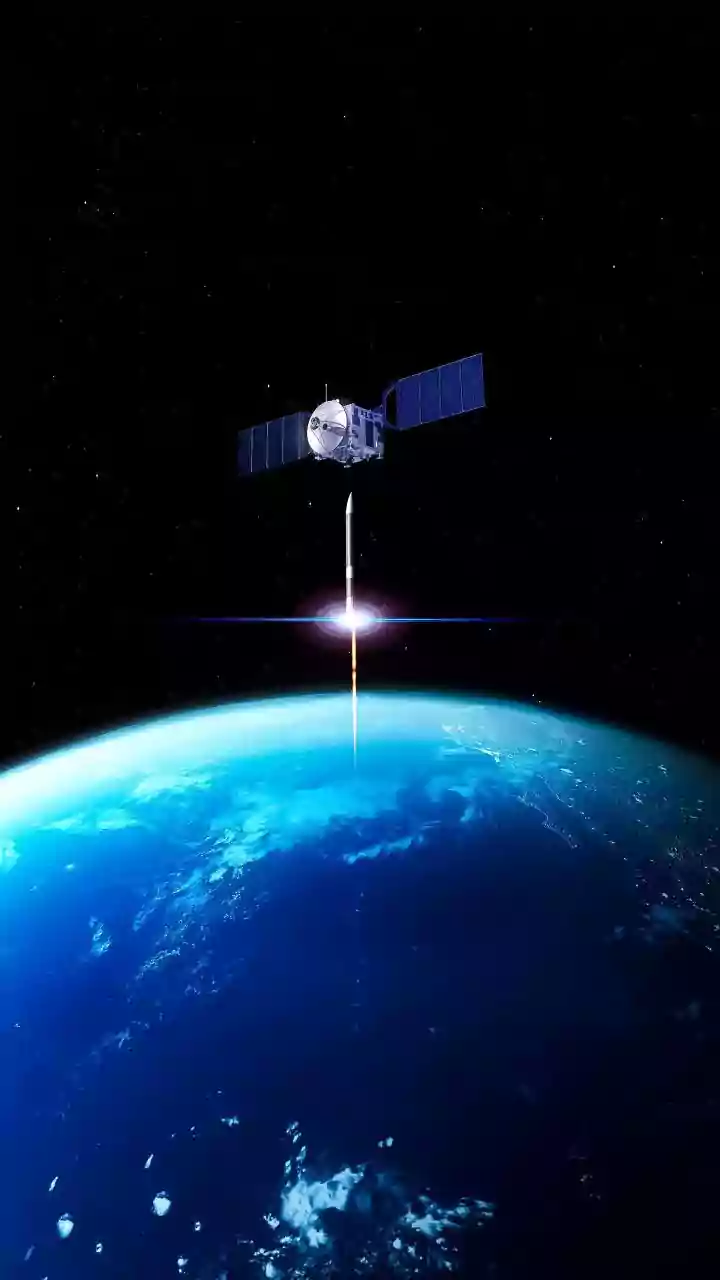
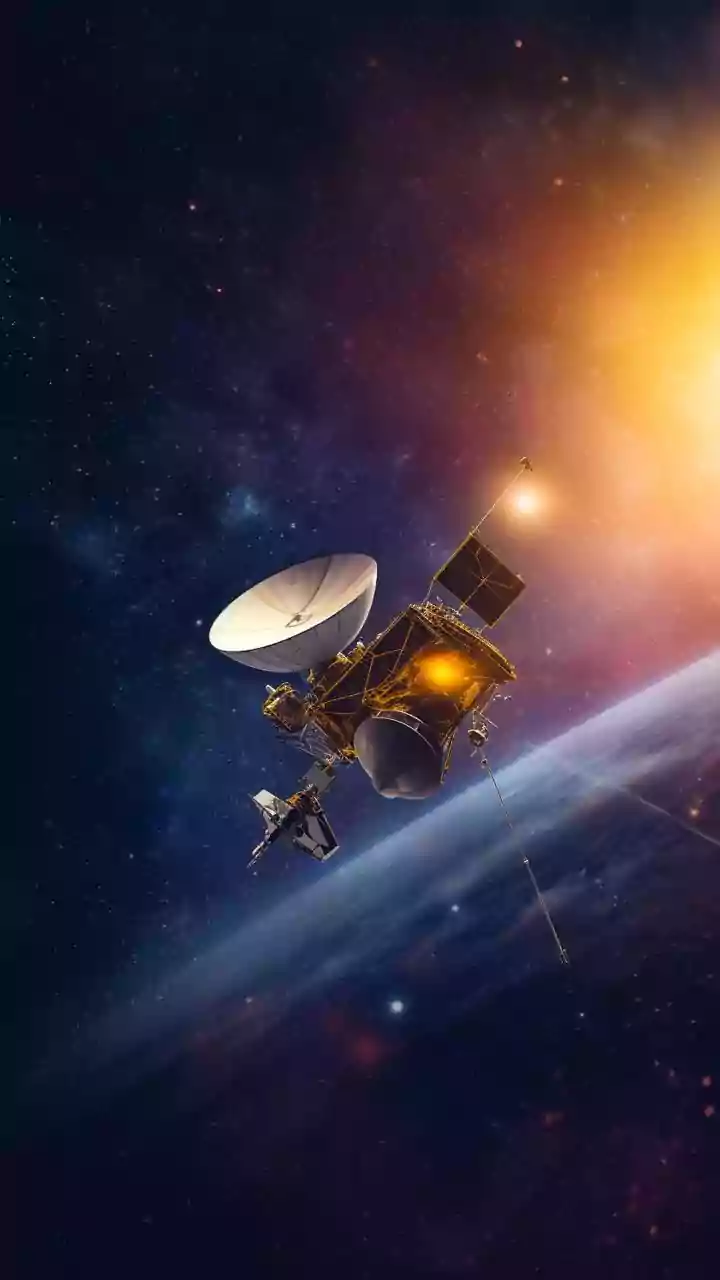
To protect against these threats, a global network of observatories constantly monitors the Sun. Agencies like the US National Oceanic and Atmospheric Administration's (NOAA) Space Weather Prediction Center (SWPC) and the European Space Agency's (ESA) Space Weather Service Network are at the forefront. They use a combination of ground-based telescopes and a fleet of satellites to watch for solar flares, CMEs, and other signs of activity. Satellites like the Solar and Heliospheric Observatory (SOHO) and the Deep Space Climate Observatory (DSCOVR) are positioned at a point in space called L1, about 1.5 million kilometers from Earth, providing a crucial early warning of incoming solar wind.
From Warning to Protective Action
When these monitoring systems detect a potentially hazardous event, forecasters issue watches, warnings, and alerts to affected industries. These alerts give power grid operators time to make voltage corrections or take equipment offline to prevent damage from induced currents. Satellite operators can put their spacecraft into a protective 'safe mode', shutting down non-essential systems to reduce the risk of electronic damage and adjusting orbits to minimize atmospheric drag. Airlines can reroute flights away from polar regions where radiation exposure and communication blackouts are more likely. This process turns observation into actionable intelligence, providing a critical buffer to safeguard our infrastructure.
The Next Generation of Solar Defense
The effort to improve our forecasting capabilities is continuous. Since many current monitoring satellites are aging, new missions are underway to ensure there are no gaps in coverage. NOAA's SOLAR-1 satellite, which recently became operational, provides faster and higher-quality data, cutting the delivery time for some critical imagery from hours to minutes. In the future, missions like ESA's Vigil, planned for 2031, will be positioned at a different vantage point (L5) to get a side view of solar eruptions, offering even earlier and more accurate warnings. Additionally, researchers are developing new artificial intelligence models that can analyze the Sun's hidden acoustic and magnetic signals to predict when and where a powerful solar flare might emerge, potentially hours in advance.