



Embrace India's Seasonal Bounty
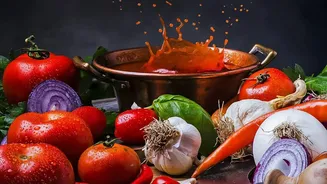
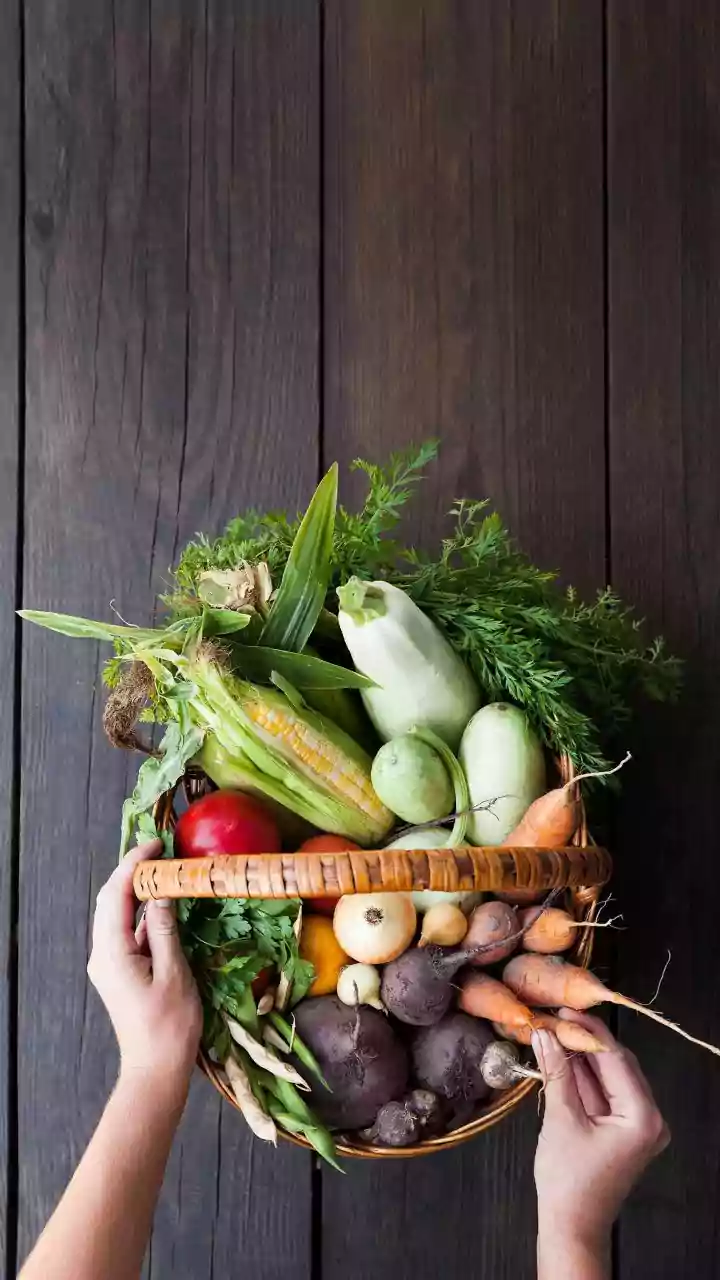
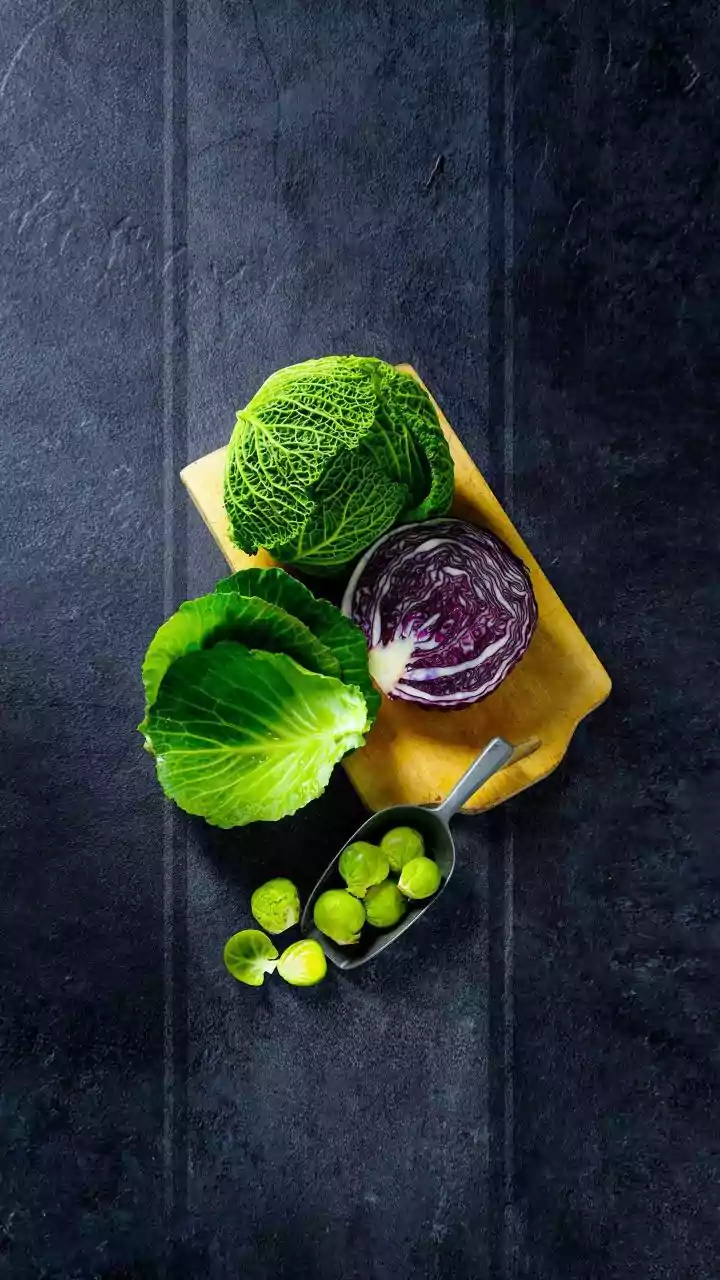
The foundation of any great meal plan is, of course, the ingredients. Eating with the seasons in India is not only cost-effective but also ensures you're getting vegetables at their peak flavour and nutritional value. The monsoon, for instance, brings
a bounty of gourds like lauki (bottle gourd) and turai (ridge gourd), along with bhindi (okra) and brinjal. Winter is the time for leafy greens like palak (spinach) and sarson (mustard greens), as well as root vegetables like carrots and beets. Summer offers a variety of squashes and beans. Instead of planning your menu and then shopping, try reversing it: see what’s fresh and abundant at your local market, and let that guide your cooking for the week. This approach keeps meals from becoming monotonous and connects your kitchen to the natural rhythm of the seasons.
Vary Your Cooking Methods
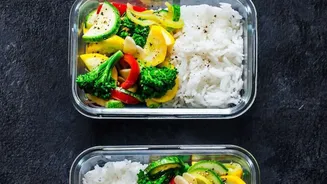
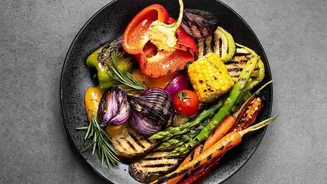
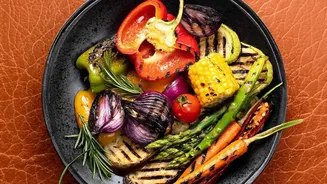
The same vegetable can taste completely different based on how it's cooked. A meal plan that only involves one style of cooking, like a simple stir-fry, will quickly become boring. Think about rotating your methods. A pressure cooker is fantastic for creating soft, melt-in-your-mouth textures in dishes like a slow-cooked dal or a rich vegetable korma. A quick, high-heat stir-fry in a kadai will keep vegetables like bell peppers and beans crisp and vibrant. Roasting cauliflower or sweet potatoes can bring out their natural sweetness, while steaming is perfect for delicate greens or creating healthy, light side dishes. By consciously planning for a mix of roasted, stir-fried, steamed, and pressure-cooked meals throughout the week, you ensure a variety of experiences even with a limited set of core vegetables.
Master the Art of Seasoning
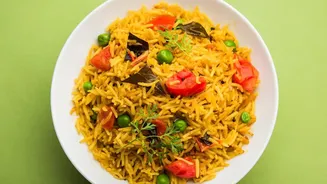
Seasoning in Indian cooking is a multi-layered art form. It goes far beyond simply adding a pre-made masala powder. The 'tadka' or tempering of spices in hot oil or ghee is a fundamental technique that blooms the spices and infuses the entire dish with aroma and flavour. Think about how the tadka changes a dish: a simple tadka of cumin seeds is classic for dal, while mustard seeds, curry leaves, and urad dal are staples in South Indian preparations. Plan your meals by considering this flavour base. One day might feature a dish with a punchy mustard and chilli tadka, while the next could be a more subtle, aromatic one with whole spices like cinnamon and cloves. Using fresh herbs like coriander, mint, and dill as a final flourish also adds a layer of fresh, bright flavour that can lift a dish.
Create a Symphony of Textures
Texture is an often-overlooked component that is crucial to an enjoyable meal. It refers to how the food feels in your mouth and can prevent dishes from feeling one-dimensional. A good meal plan incorporates a variety of textures. If you’re making a creamy palak paneer, the soft spinach and firm paneer create a classic contrast. You can build on this by planning for texture in every meal. Add a handful of roasted peanuts or cashews for crunch. Use desiccated coconut to add texture and sweetness. Garnish a smooth lentil soup with crispy fried onions. Even the way you cut your vegetables matters—thinly sliced potatoes will become crisp when fried, while cubed potatoes will remain soft in a curry. A simple dal-rice combination can be elevated with a crunchy papad on the side. When planning, ask yourself: where is the softness, the creaminess, the crunch, and the bite?