


Why the Sudden Buzz Around Millets?
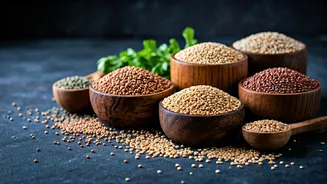
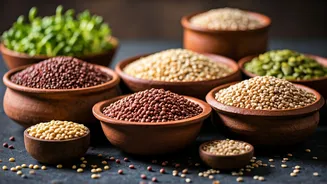
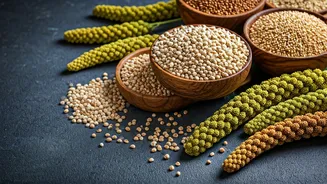
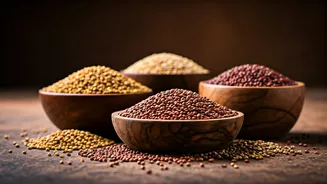
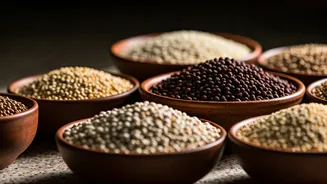
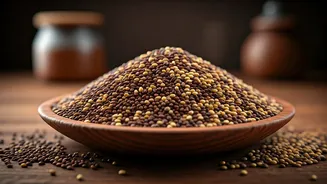
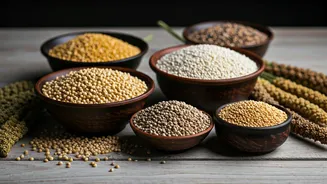
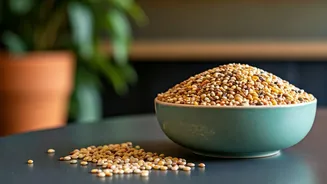
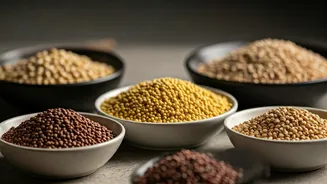
For centuries, millets like jowar, bajra, and ragi were staples in Indian households. However, with the rise of heavily processed rice and wheat, they gradually faded from our daily diets. Now, a powerful shift is underway. This revival is driven by a growing
awareness of health and wellness, a desire to reconnect with traditional foods, and a significant push from initiatives like the International Year of Millets. This global recognition has shone a spotlight on their incredible benefits, reminding us that sometimes the best foods are the ones that have been with us all along.
A Nutritional Powerhouse
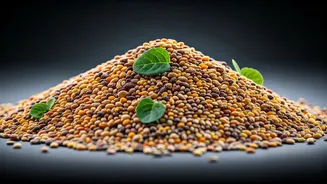
Millets are celebrated for their dense nutritional profile. They are naturally gluten-free, making them an excellent choice for those with gluten sensitivity. Packed with dietary fibre, they aid digestion, promote gut health, and keep you feeling full for longer, which can help with weight management. Millets also have a low glycemic index, meaning they release sugar into the bloodstream slowly, providing steady energy and making them suitable for managing blood sugar levels. Furthermore, they are rich sources of essential minerals like iron, calcium, and magnesium, which contribute to everything from bone health to boosting immunity.
Good for You, Good for the Planet
The benefits of millets extend far beyond personal health; they are also champions of environmental sustainability. These hardy crops are incredibly resilient and can thrive in arid conditions with minimal water. In fact, millets require about 70% less water than rice and are well-suited to India's varied climates, reducing the strain on our water resources. They also need fewer pesticides and fertilisers to grow, which means a lower carbon footprint and healthier soil. By choosing millets, consumers support sustainable farming practices and help build a more resilient food system in the face of climate change.
Easy Ways to Welcome Millets
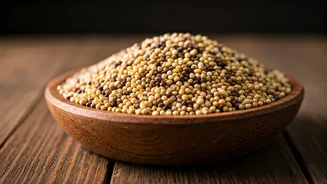
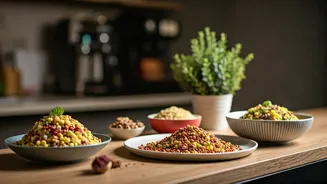
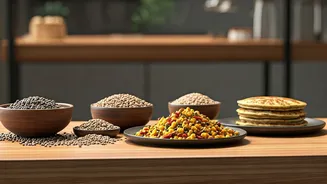
Bringing millets into your kitchen is easier than you might think. You don't need to overhaul your entire diet overnight. A great way to start is by making small, gradual swaps. Try replacing white rice with foxtail or barnyard millet in dishes like pulao or khichdi a few times a week. Another simple trick is to mix millet flour, such as ragi or jowar, with your regular wheat atta to make rotis. Breakfast is also an easy place to experiment; a warm bowl of ragi porridge or a savory millet upma can be a delicious and energizing start to your day. These small changes make it easy to incorporate the goodness of millets without feeling overwhelmed.
Beyond Roti and Khichdi
The versatility of millets is one of their greatest strengths. While they are perfect for traditional dishes, they are also being used in creative and modern ways. Food innovators and home cooks are now using millets to make everything from fluffy pancakes and healthy pizza bases to nutrient-rich dosas and even decadent cakes. You can toss cooked millets into salads for extra texture and nutrition, or use millet flour in your baking for a healthier twist on your favourite treats. This culinary flexibility ensures that there is a millet recipe out there for every palate, proving that healthy eating can also be exciting and delicious.