
A Modern Twist on Sacred Offerings
Janmashtami, celebrating the birth of Lord Krishna, is a festival steeped in tradition, and food plays a central role in the festivities. Prasad, or devotional offerings, often consists of rich, milk-based sweets laden with sugar. However, a cultural
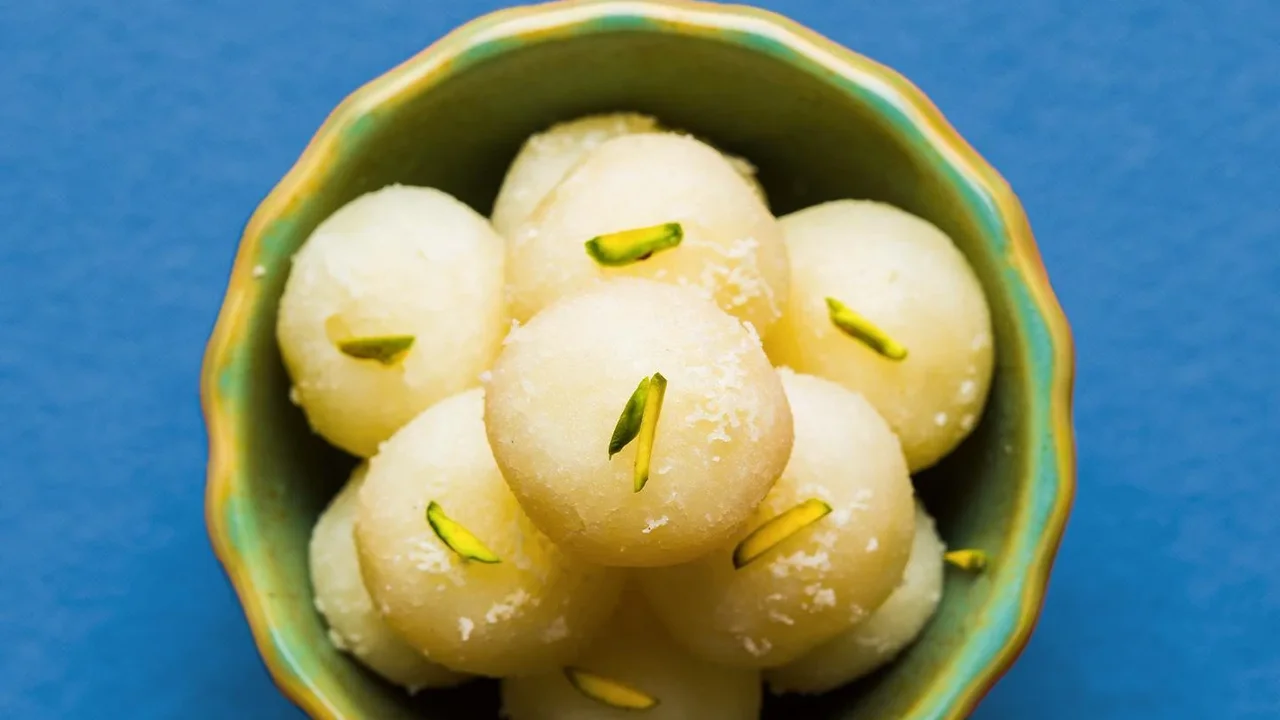
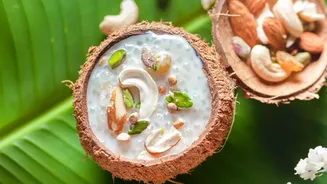
shift is underway, led by health-aware Gen Z and Millennial food lovers. These young innovators are not abandoning tradition but adapting it to fit modern wellness values. Driven by a desire for balance, clean eating, and inclusivity for those with dietary restrictions, they are reimagining classics like panjiri, kheer, and laddoos with nutritious ingredients that our grandmothers would approve of, but with a contemporary spin.
Swapping Sugar for Natural Goodness
The most significant change is the move away from refined white sugar, which is often linked to energy crashes and other health concerns. Instead, these modern mithai makers are turning to a pantry of natural sweeteners. Jaggery (gud) is a popular choice, providing a caramel-like depth and minerals like iron. Date paste, made from blending soft dates, offers sweetness along with fiber, making it an excellent binder for energy-dense laddoos. Other alternatives gaining traction include coconut sugar, which has a lower glycemic index, and stevia, a plant-based, zero-calorie sweetener perfect for those strictly monitoring their sugar intake. The goal is to create treats that are just as delicious but offer more nutritional value.
Dairy-Free Delights for Everyone
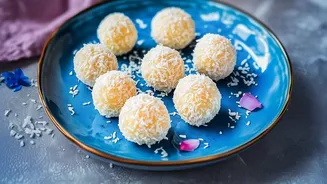
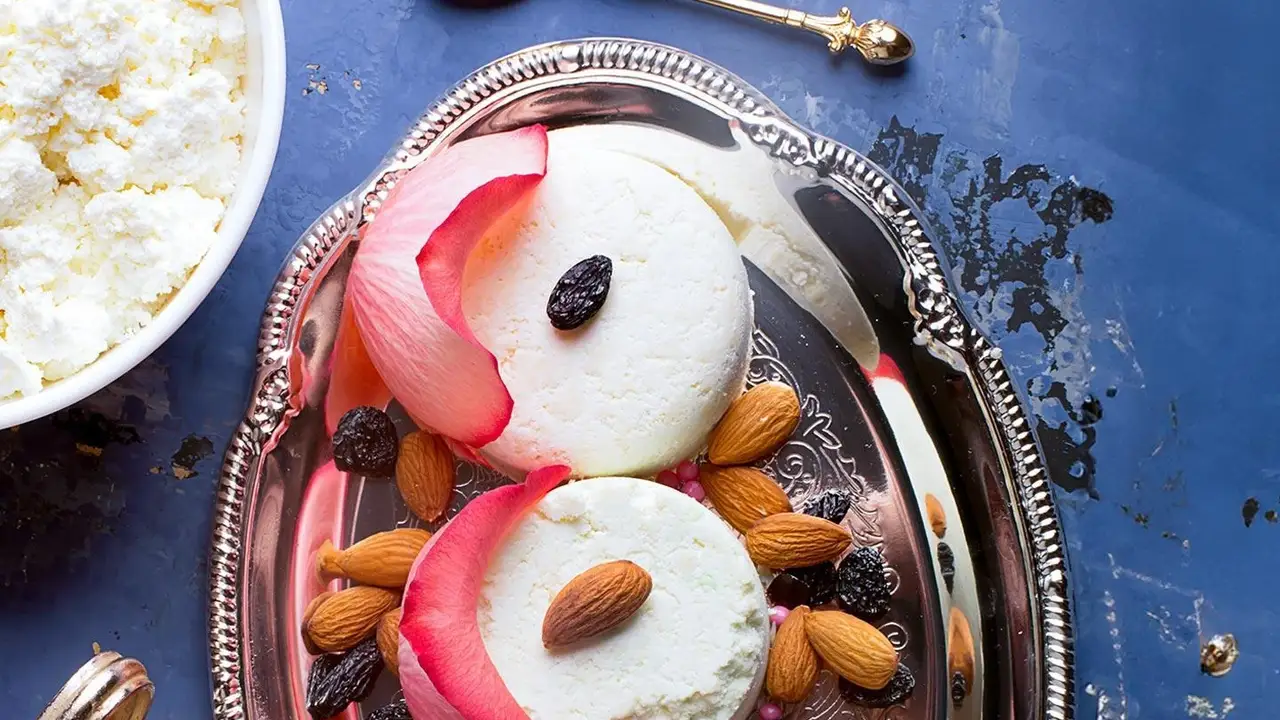
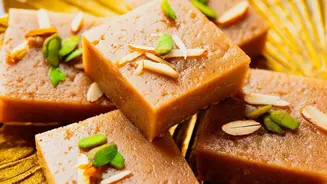
Traditional Indian sweets are heavily reliant on dairy products like milk, khoya, and ghee. With a significant portion of the Indian population having some degree of lactose malabsorption and a growing interest in veganism, young chefs are finding creative ways to make dairy-free versions. Coconut milk has become a star substitute, lending its creamy texture to barfis and kheers. Almond milk is another favourite for making vegan kheer or rabdi, while cashew paste can create the rich base for kaju katli without any milk powder. These substitutions ensure that everyone, regardless of their dietary choices or restrictions, can partake in the festive joy. Recipes for vegan banana peda and dairy-free rasmalai are now widely shared online, showcasing this inclusive approach.
The Innovators Behind the Trend
This movement isn't just happening in a few niche cafes; it's a grassroots trend blooming in home kitchens, on social media, and through small, youth-led businesses. These 'youth collectives' are often informal groups of friends, food bloggers, and health-conscious home cooks who share recipes and ideas through Instagram and YouTube. They are motivated by a desire to see their cultural traditions evolve and thrive. For them, reinventing a recipe is not about disrespecting the original but about making it relevant and accessible for their generation, which prioritizes health, sustainability, and authenticity. By making these changes, they are ensuring that the sweet traditions of Janmashtami continue to be passed down in a way that feels both celebratory and nourishing.