


Walk through any urban kitchen today, and you might notice a quiet revolution brewing. The familiar crunch of packaged snacks is giving way to something older, healthier, and distinctly Indian: millets. Here’s why this ancient grain is winning over Gen
Z.
A Nutritional Powerhouse
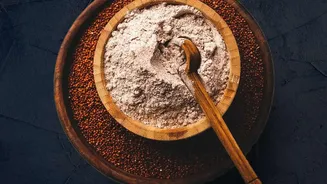
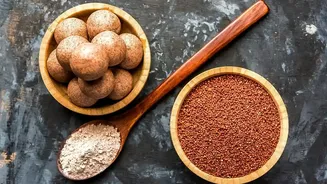
The primary driver behind the millet resurgence is health. For a generation fluent in macros and micronutrients, millets are a clear winner. Unlike refined flour (maida) snacks, those made from grains like ragi, jowar, and bajra are packed with benefits. They are naturally gluten-free, making them ideal for those with sensitivities. Their high fibre content aids digestion and promotes a feeling of fullness, helping to curb mindless munching. Furthermore, millets have a low glycemic index, which means they release sugar into the bloodstream slowly, preventing the energy spikes and crashes associated with processed snacks. This makes them particularly suitable for managing blood sugar levels. Rich in essential minerals like iron, magnesium, and calcium, millets offer a nutrient-dense alternative that aligns perfectly with the wellness-oriented mindset of young urban Indians.
The Sustainability Appeal
For Gen Z, conscious consumption is not just a trend; it's a core value. Millets fit seamlessly into this eco-friendly worldview. These 'climate-smart' crops are incredibly resilient. They require significantly less water than rice and wheat—up to 70% less in some cases—and can thrive in arid conditions and poor soil with minimal need for chemical fertilisers. By choosing millets, young home cooks feel they are making a choice that is good for their body and for the planet. This supports sustainable agricultural practices and helps reduce the environmental footprint of their food choices, a factor that holds significant weight for this generation.
Rediscovering Culinary Heritage
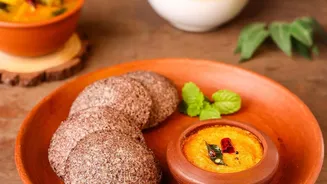
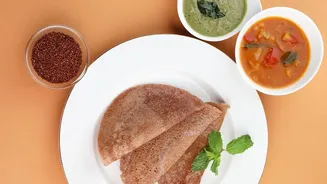
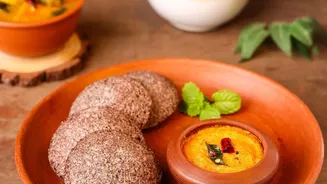
The return to millets is also a journey back to culinary roots. Once dismissed as 'coarse grains' or food for rural areas, millets have been a staple in Indian diets for centuries. Today’s young cooks are not just reviving old recipes; they are reinventing them. They are exploring their heritage with a modern twist, transforming traditional preparations like ragi mudde or bajra khichdi into contemporary snacks. This trend is amplified by social media, where food influencers and home chefs showcase visually appealing and accessible millet recipes, from foxtail millet salads and jowar puffs to ragi pancakes and millet-based energy bars. This makes an ancient grain feel fresh, aspirational, and perfectly suited to the modern palate.
The Market Catches On
This growing demand has not gone unnoticed. A surge in Indian startups is making it easier than ever to incorporate millets into daily life. The market is now flooded with innovative and convenient products, including ready-to-cook dosa and idli mixes, millet-based pasta and noodles, and a wide array of ready-to-eat snacks like cookies, chips, and puffs. This accessibility is crucial. It removes the barrier of long preparation times and makes healthy snacking a simple choice for busy students and young professionals. The government's push, including the declaration of 2023 as the 'International Year of Millets', has further boosted awareness and normalised their consumption.
Snacking, but Smarter
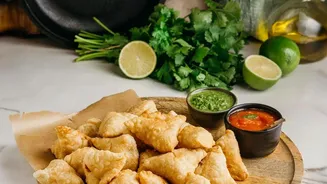
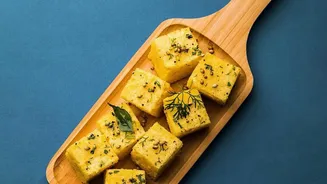
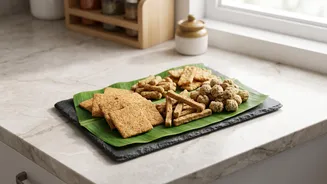
The new wave of millet snacks is all about combining health with flavour. Brands are launching everything from peri-peri ragi chips to masala jowar papdi, proving that nutritious food doesn't have to be bland. Home cooks are also getting creative, using millet flour to bake crackers, whip up savoury pancakes (adai), or create their own granola bars. This creative experimentation in the kitchen allows for personalisation and control over ingredients, a key aspect of 'mindful eating'. It shifts the act of snacking from a guilty pleasure to a positive, nourishing, and enjoyable part of the day.