





The Menace of Chemical Deicers
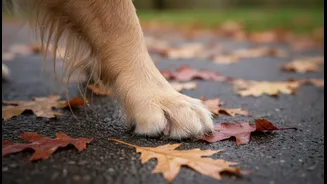
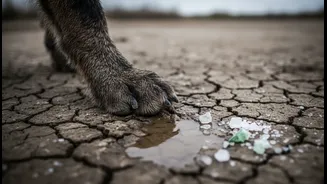
In colder regions, chemical deicers and rock salt are essential for keeping roads and footpaths clear of ice. However, these substances can be incredibly harsh on a dog's paws. Products containing sodium chloride, magnesium chloride, and calcium salts
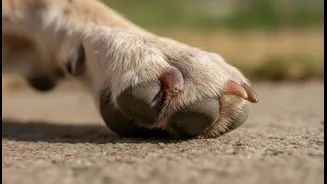
can cause severe irritation, dryness, cracking, and even chemical burns on paw pads. The sharp crystals of rock salt can also cause physical cuts. This initial damage compromises the natural barrier of the paw pad, making it susceptible to further injury and infection. Moreover, dogs often lick their paws to clean them after a walk, leading to the ingestion of these toxic chemicals, which can cause gastrointestinal issues like vomiting and diarrhoea.
The Hidden Dangers in Stagnant Water
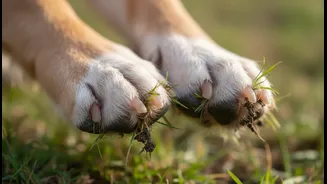
During the monsoon or after a simple rain shower, puddles of stagnant water are everywhere. While a splash might seem like harmless fun, this standing water is often a breeding ground for harmful organisms. It can be contaminated with bacteria like Leptospira and parasites like Giardia, which can cause serious illness if ingested. For paws, the primary issue is prolonged moisture. Constantly wet paws become soft and tender, which makes them more vulnerable to cuts and abrasions. This damp, warm environment, especially between the toes, creates the perfect conditions for fungi, particularly yeast, to thrive and multiply.
From Irritation to Fungal Infection
The link between paw damage and fungal infections is a vicious cycle. A healthy paw pad has a strong outer layer that resists infection. However, when chemical deicers cause cracks or constant dampness softens the skin, this protective barrier is broken. Fungi like Malassezia, which are normally present on a dog's skin in low numbers, can then overgrow, leading to a yeast infection (yeast dermatitis). The initial irritation from chemicals or moisture causes the dog to lick and chew at its paws, introducing more moisture from saliva and causing further skin damage. This self-trauma accelerates the infection, leading to a painful and itchy condition that requires intervention.
Signs of Paw Trouble to Watch For
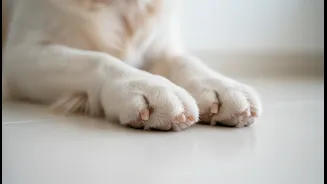
As a pet parent, it's crucial to be vigilant and recognise the signs of paw irritation and infection early. Prompt attention can prevent minor issues from becoming severe. Look out for symptoms such as persistent licking, chewing, or biting of the paws, which is often the first sign of discomfort. Check for redness and inflammation, especially between the toes. You might notice a musty or 'corn chip' odour, which is characteristic of a yeast infection. Other signs include brown-staining of the fur on the paws from saliva, scaly or crusty skin, swelling, and a reluctance to walk or limping.
Proactive Paw Protection Strategies
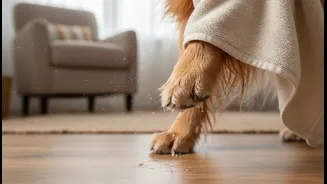
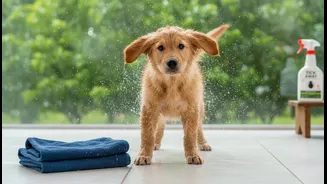
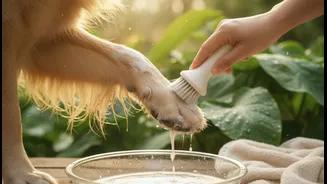
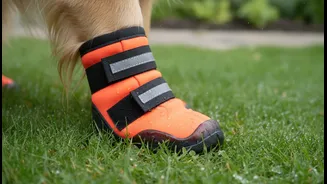
Prevention is always the best approach to paw care. Before heading out, especially during winter or monsoon, apply a protective paw balm or wax to create a barrier against harsh chemicals and moisture. Dog booties offer the most complete protection and are an excellent option if your dog will tolerate them. After every walk, make it a habit to wash your dog's paws with warm water and a mild cleanser to remove any salt, chemicals, or mud. Crucially, you must dry their paws thoroughly, paying special attention to the areas between the toes to prevent moisture buildup. Try to steer your dog away from heavily salted paths and deep puddles whenever possible.