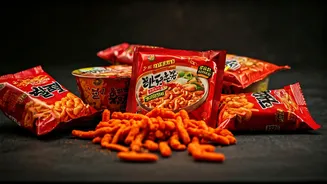




The Trend: More Than Just Kimchi
For years, Indian exposure to Korean food was largely limited to kimchi or the barbecue scenes in K-dramas. But that's changing, and fast. Driven by the massive popularity of Korean pop culture, a new generation of Indian foodies is actively seeking out
the comforting, bold, and often spicy flavours seen on screen. Cafes and diners, especially in metropolitan hubs like Delhi, Mumbai, and Bengaluru, are responding with gusto. Menus that once featured safe pan-Asian options are now proudly highlighting specific, authentic Korean street food dishes, and diners are eating them up. It’s a culinary shift from passive curiosity to active consumption.
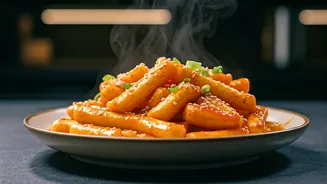
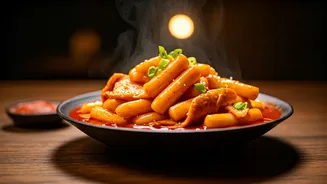
1. Tteokbokki: The Reigning Champion
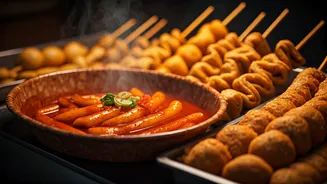
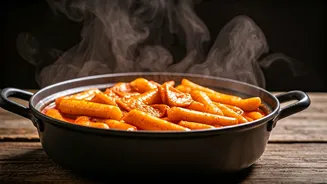
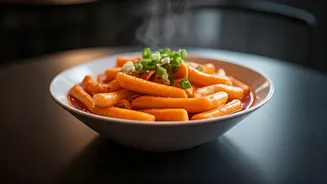
If there's one dish leading the charge, it's tteokbokki. These chewy, cylindrical rice cakes are swimming in a fiery, sweet, and savoury gochujang (Korean chilli paste) sauce. Often served with fish cakes and a boiled egg, tteokbokki is the ultimate Korean comfort food. Its spicy-sweet profile resonates surprisingly well with the Indian palate, which is already accustomed to complex gravies and a good kick of heat. It's the perfect entry point for the uninitiated and a satisfying staple for seasoned fans.
2. Korean Corn Dogs: The Instagram Star
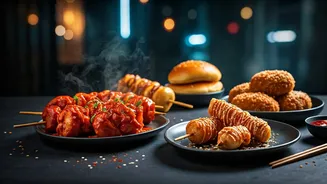
This is not your average hot dog. A Korean corn dog is a spectacle: a sausage, a block of mozzarella cheese, or a combination of both, skewered, dipped in a slightly sweet batter, and rolled in anything from panko breadcrumbs and ramen noodles to potato cubes before being deep-fried. Finished with a zigzag of ketchup and mustard, it’s a crispy, cheesy, gooey, and utterly photogenic creation. Its wild popularity on social media reels has made it a must-have for any trendy diner looking to attract a younger, social-media-savvy crowd.
3. Gimbap: The Approachable Roll
Often mistaken for sushi, gimbap is its own delicious entity. The name translates to 'seaweed rice,' and that's exactly what it is: a delightful roll of seasoned rice and various fillings wrapped in a sheet of gim (seaweed). Fillings can range from pickled radish, spinach, and carrots to egg and meat. Unlike sushi, the rice is seasoned with sesame oil, giving it a nutty, fragrant flavour. It’s highly portable, not overtly spicy, and easy to eat, making it a safe and delicious choice for diners of all ages.
4. Korean Fried Chicken: The Global Favourite
While fried chicken is a global phenomenon, the Korean version is a masterclass in texture and flavour. Known as 'chikin' in Korea, it’s famous for its super-thin, crackly crust achieved through a double-frying method. It’s then typically coated in a sauce, with the most popular being 'yangnyeom' (a sticky, sweet, and spicy glaze) or a 'ganjang' (soy-garlic) sauce. Served in buckets to share or as boneless bites, Korean fried chicken is the perfect communal food, aligning perfectly with Indian dining culture.
5. Hotteok: The Sweet Surprise
Ending on a sweet note, hotteok is the dessert of Korean street food. It’s a fluffy, chewy pancake filled with a gooey mixture of brown sugar, cinnamon, and sometimes chopped nuts or seeds. Pan-fried until golden brown, the outside is crisp while the inside holds a molten pocket of sweet syrup. It’s a warm, comforting treat that hits all the right notes, especially during cooler weather. For Indian diners, it offers a novel yet familiar experience, reminiscent of sweet, filled breads like puran poli but with a distinct Korean twist.