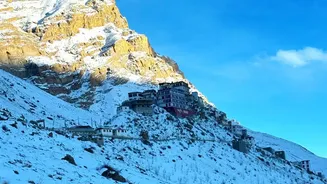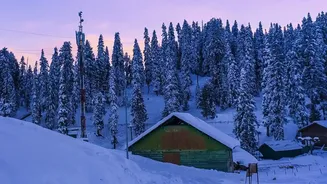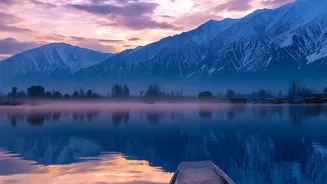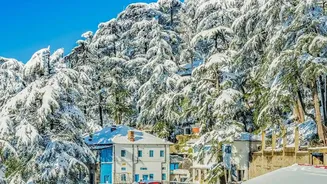



When you picture a Kashmir winter, chances are you see the snow-dusted slopes of Gulmarg. But beyond the gondolas and ski runs lies a quieter, different kind of magic. This guide is for the traveller looking to explore it, with a clear eye on the realities
of snow.
Pahalgam: A Quieter Winter Valley
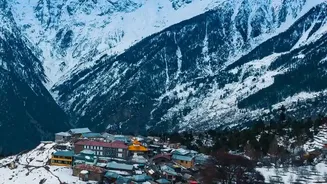
Often celebrated for its lush summer meadows, Pahalgam transforms into a tranquil wonderland in winter. Unlike the bustling energy of Gulmarg, Pahalgam offers a serene retreat where the loudest sound might be the crunch of your boots on fresh snow. The town itself remains accessible by road from Srinagar throughout the winter, though the drive can take longer after a heavy fall. The main draw here is the quiet beauty of places like Betaab Valley, which usually stays open and offers stunning views of snow-covered pines and meadows. Winter activities are more about stillness and scenery: think snow walks along the Lidder River, photography, and enjoying hot kahwa in a cosy hotel. However, access to higher-altitude spots like Aru Valley and Chandanwari can be unreliable. After heavy snowfall, these roads often close for days, so it is crucial to check the daily status before making plans.
Srinagar: The Heart of Winter Culture
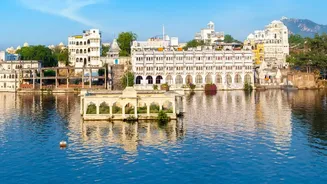
While Gulmarg has the adventure and Pahalgam has the quiet, Srinagar serves as the reliable and culturally rich hub for any winter trip. Snowfall within the city itself is never a guarantee, so it's best to plan your activities around its enduring charms. A shikara ride on the partially frozen Dal Lake offers a unique, surreal experience against a backdrop of snow-capped peaks. You can explore the historic Mughal gardens like Nishat Bagh and Shalimar Bagh, which take on a stark, quiet beauty under a layer of frost. Winter is also the perfect time to delve into Kashmiri culture. Visit the Hazratbal Shrine, wander through the lanes of the Old City, and indulge in a traditional Wazwan feast. Most hotels and houseboats remain open, often equipped with good heating, making Srinagar a comfortable and convenient base from which to launch day trips.
Sonamarg: The Newly Accessible Meadow
For years, Sonamarg ('Meadow of Gold') was largely cut off during peak winter. However, with the opening of the Z-Morh Tunnel in early 2025, the town now boasts all-weather connectivity, making it a viable winter destination. It offers dramatic, high-altitude scenery that differs from both Gulmarg and Pahalgam. But 'accessible' comes with caveats. While you can now reach the town of Sonamarg, attractions further up, like the Thajiwas Glacier trek and Zoji La pass, generally remain closed or heavily restricted in deep winter. Heavy snowfall can still cause temporary road closures or delays, even with the tunnel. A trip here is best for those seeking dramatic snow photography and a sense of remote mountain beauty, and should be planned as a day trip from Srinagar with a very early start.
The Reality of Snowfall on Travel
The same snow that creates Kashmir's magical winter landscapes is also the single biggest challenge for travellers. Heavy snowfall can, and often does, disrupt travel plans significantly. The Jammu–Srinagar National Highway (NH–44), the main artery connecting the valley to the rest of the country, is particularly vulnerable to closures due to snow and landslides. This can lead to long delays for those travelling by road. Flights into Srinagar's airport are also commonly delayed or cancelled due to heavy snow and fog, sometimes for a full day or more. Even local routes to places like Gulmarg and Pahalgam can be temporarily restricted. Police may require vehicles to be fitted with anti–skid chains, especially on the steep ascent to Gulmarg.
How to Plan and Pack Smart
Flexibility is the most important item to pack for a Kashmir winter trip. Never plan a tight schedule; always build in buffer days, especially around your departure, in case of travel disruptions. When it comes to transport, hiring a local, experienced driver with a suitable vehicle (a 4x4 is ideal) is highly recommended. They are accustomed to the challenging road conditions and are updated on which routes are open. For clothing, layering is key. Pack thermal innerwear, fleece or wool mid–layers, and a waterproof, insulated outer jacket. Waterproof boots with good grip are non–negotiable. Also essential are warm socks, gloves, a cap, sunglasses for the snow glare, and a power bank, as cold weather drains batteries quickly. Before heading out each day, especially for a day trip, always check the latest weather and traffic advisories.