






The Pre-Trip Vehicle Health Check
Before you even think about hitting the highway, a thorough vehicle check is non-negotiable. Highway driving, especially on challenging ghat roads, puts immense strain on your car. Start with the essentials: your tyres are your only contact with the road,
so ensure they have adequate tread depth (at least 3mm is recommended for wet conditions) and are inflated to the correct pressure. Next, get your brakes inspected; wet roads significantly increase stopping distances. Check that your wipers are in excellent condition and can clear the windscreen effectively, and top up your washer fluid. Finally, test all your lights—headlights, taillights, fog lamps, and indicators. Poor visibility is a major hazard in the ghats, and functional lights are crucial for both seeing and being seen.
Plan Your Route and Timing Wisely
The route from Pune or Mumbai to Satara via NH48 is generally well-maintained, but the approach roads to popular spots like the Kaas Plateau, Thoseghar Falls, and Bamnoli can be a different story after heavy rains. Always check for real-time traffic and road condition advisories before you leave. Landslides and waterlogging can cause unexpected closures. It's also wise to download offline maps, as mobile connectivity can be unreliable in remote stretches. Avoid driving on ghat roads at night. The combination of hairpin bends, poor visibility from fog and rain, and unlit sections dramatically increases risk. An early start gives you a buffer for potential delays and ensures you navigate the trickiest sections in broad daylight.
Mastering the Art of Ghat Driving
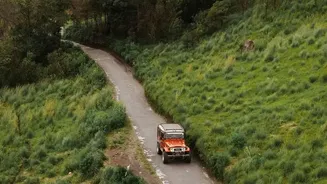
Driving in the ghats requires a different mindset than on city roads. The first rule is to slow down. Your speed should be controlled, allowing you to react to sharp curves and unexpected obstacles. Maintain a greater distance from the vehicle in front of you to account for longer braking times on wet surfaces. When navigating bends, shift to a lower gear (second or third) to maintain better control and use engine braking on descents. Honk around blind curves to alert oncoming traffic. A critical rule of ghat etiquette is to always give way to vehicles driving uphill, as it is much harder for them to regain momentum if they have to stop.
Reading Nature’s Warning Signs
The post-monsoon landscape is dynamic and requires constant alertness. Be wary of roads with water flowing over them; they can conceal deep potholes or washed-away sections of tarmac. If you must cross a waterlogged patch, do so slowly and in a low gear, keeping the engine revs high to prevent water from entering the exhaust. Look out for signs of potential landslides, such as freshly fallen rocks, mud on the road, or trees leaning at odd angles. If an area looks unstable, do not risk it. Dense fog can reduce visibility to almost zero in an instant. In such conditions, slow down, use your fog lamps or low-beam headlights, and if it becomes too dangerous, pull over at a safe spot until it clears.
Pack an Essential Emergency Kit
While you hope for the best, you must prepare for the worst. A well-stocked emergency kit is crucial for ghat travel. Beyond the standard first-aid kit and car documents, include a powerful torch, a tow rope, and jumper cables. A tyre pressure gauge and a portable inflator can be lifesavers. Pack extra water and non-perishable snacks in case you get stranded due to a road closure. A fully charged power bank is essential for keeping your phone alive, especially since you might be using it for navigation. Finally, carry some cash, as digital payments may not work in areas with poor connectivity.