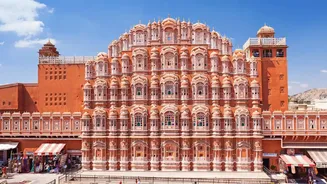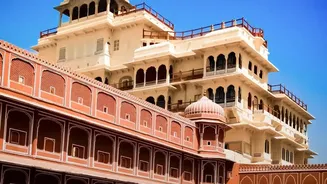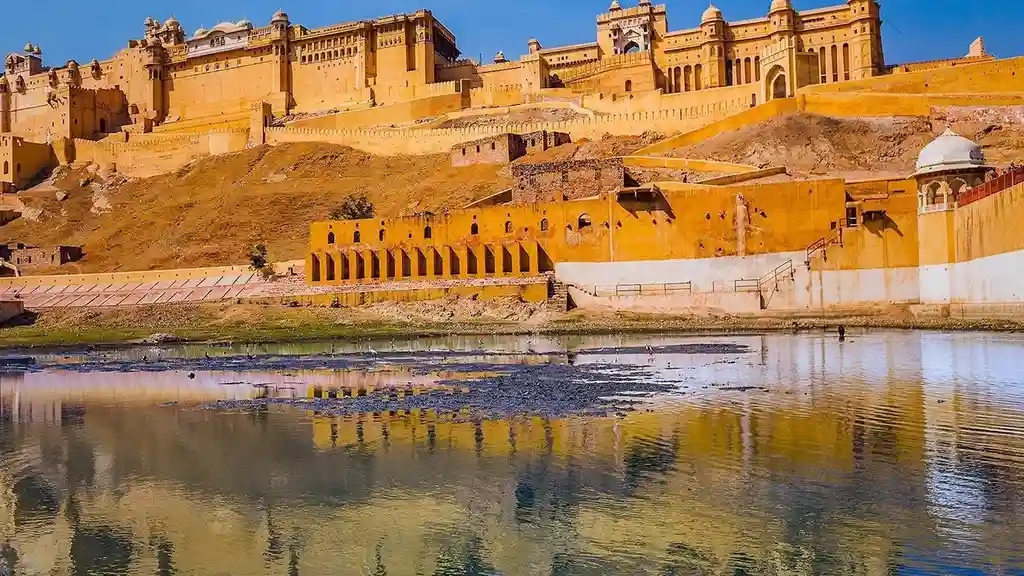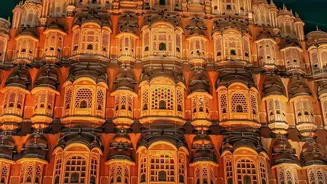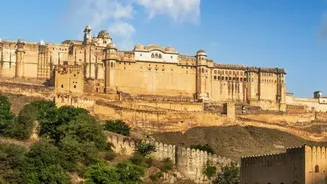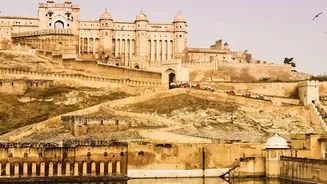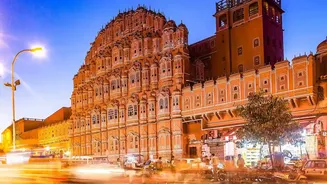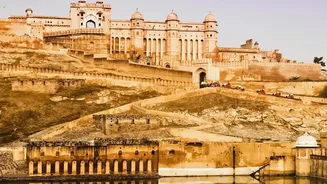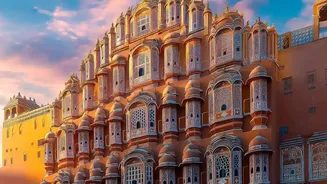

When winter arrives in Jaipur, the city's grand palaces like Hawa Mahal and Amer Fort take centre stage. But the 'Pink City's' charm runs deeper, offering incredible experiences away from the main attractions, especially in the pleasant winter sun.
Nahargarh Fort for Sunset Panoramas
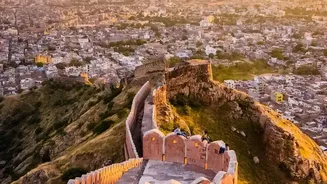
While
not exactly a hidden gem, visiting Nahargarh Fort in winter is a different experience, especially at sunset. Perched on the edge of the Aravalli Hills, the fort offers a breathtaking panoramic view of the entire city. The gentle winter sun casts a golden glow over Jaipur, making for spectacular photo opportunities. The cooler weather, with temperatures often in the low to mid-20s, makes the walk along the ramparts comfortable and enjoyable. You can explore the sculpture park or relax at the fort's restaurant with a hot drink as the city lights begin to twinkle below. It’s an essential Jaipur experience that feels tailor-made for a crisp winter evening.
Galta Ji, The Sacred Monkey Temple
Tucked away in a rocky gorge about 10km from the city, Galta Ji is an ancient Hindu pilgrimage site that feels a world away from Jaipur's urban buzz. This complex of temples, pavilions, and sacred water tanks (kunds) is built around a natural spring. It's famously known as the Monkey Temple due to the large population of langurs and macaques that live here. In winter, the weather is perfect for exploring the serene complex on foot. The early morning or late afternoon light illuminates the pink sandstone architecture beautifully. Visiting during the pleasant months between October and March allows for a comfortable exploration of this unique blend of spirituality and nature, without the intense summer heat.
An Urban Safari at Jhalana Leopard Reserve
For a truly unique winter adventure, head to Jhalana Leopard Reserve, a 20-square-kilometre wilderness area right on the edge of Jaipur. This is India's premier reserve for leopard sightings, and winter is the absolute best time to go. The period from November to April offers comfortable safari conditions and excellent visibility, as the dry, thin vegetation makes it easier to spot the elusive big cats. With a population of over 40 leopards, sighting rates are exceptionally high. The cooler daytime temperatures mean the animals are more active, whether basking on rocky outcrops or patrolling their territory. It's a thrilling experience that shows a wilder side of Jaipur.
The Geometric Wonder of Panna Meena Ka Kund
A short walk from the bustling Amer Fort lies a quieter, more symmetrical marvel: Panna Meena Ka Kund. This 16th-century stepwell is a masterpiece of design, with crisscrossing staircases descending eight stories to the water below. While a stunning sight year-round, visiting between October and March is ideal. The pleasant weather allows you to appreciate the intricate geometry without the oppressive heat of summer. The soft morning light during these months is perfect for photography, highlighting the patterns and shadows of the steps. It's a quick but memorable stop that offers a glimpse into the region's historic water harvesting systems and provides a peaceful contrast to the grandeur of the nearby fort.
A Stroll Through Johari and Bapu Bazaars
No trip to Jaipur is complete without diving into its vibrant markets, and winter provides the perfect climate for it. The pleasant daytime temperatures are ideal for spending hours wandering through the bustling lanes of Johari Bazaar, famous for its jewellery, and Bapu Bazaar, known for textiles, leather goods, and handicrafts. Unlike the sweltering summer months, a winter walk here is a comfortable and immersive experience. You can browse for lac bangles, blue pottery, and block-printed fabrics at a leisurely pace. The experience is about more than just shopping; it’s about soaking in the colours, sounds, and energy of the old city, which is far more enjoyable in the cool winter air.