








The Algorithm's Advantage: Speed and Scale
There is no contest when it comes to speed. AI systems can analyse millions of data points—flight prices, hotel availability, user reviews, and traffic patterns—in the blink of an eye. This makes them incredibly powerful tools for straightforward, data-heavy
tasks. Need the cheapest flight from Delhi to Bengaluru next Tuesday? An AI will find it faster than any human. This efficiency is transforming industries by automating repetitive jobs, from managing bookings to answering routine customer questions 24/7. By handling high-volume, standard requests, AI frees up human workers to focus on more complex issues. The core strength of AI lies in its ability to process vast information, identify patterns, and execute rule-based tasks without fatigue or bias, provided its programming is sound.
The Limits of Logic
However, this incredible speed comes with significant blind spots. AI models often work with historical data, which can lead to outdated or completely incorrect information, an issue known as 'hallucination'. An AI might confidently recommend a restaurant that has since closed or suggest a travel route that ignores real-time disruptions. Studies have shown that even the most advanced AI models can struggle with planning complex, multi-step trips, failing to make dependent decisions, like ensuring a flight exists before booking a hotel. Furthermore, algorithms lack a true understanding of context, emotion, and unspoken needs. An AI can find a hotel with a five-star rating, but it cannot understand that you need a place that is quiet and safe for your elderly parents, a nuance a human would grasp instantly.
The Human Edge: Intuition and Empathy
This is where human intelligence remains unmatched. Our decision-making is not just about processing data; it is about interpretation. We rely on intuition—a form of rapid pattern recognition honed by years of lived experience—to navigate ambiguity. A seasoned travel agent, for example, doesn't just book a trip; they ask why you are travelling. Is it a honeymoon, a family emergency, or a high-stakes business meeting? The answer changes everything. This 'gut feeling' allows humans to spot opportunities data might miss, handle unexpected crises with creativity, and understand the emotional weight of a decision. AI struggles with moral judgment, ethical considerations, and empathy—qualities that are essential in building trust and making choices that impact people's lives.
A Hybrid Future: Better Together
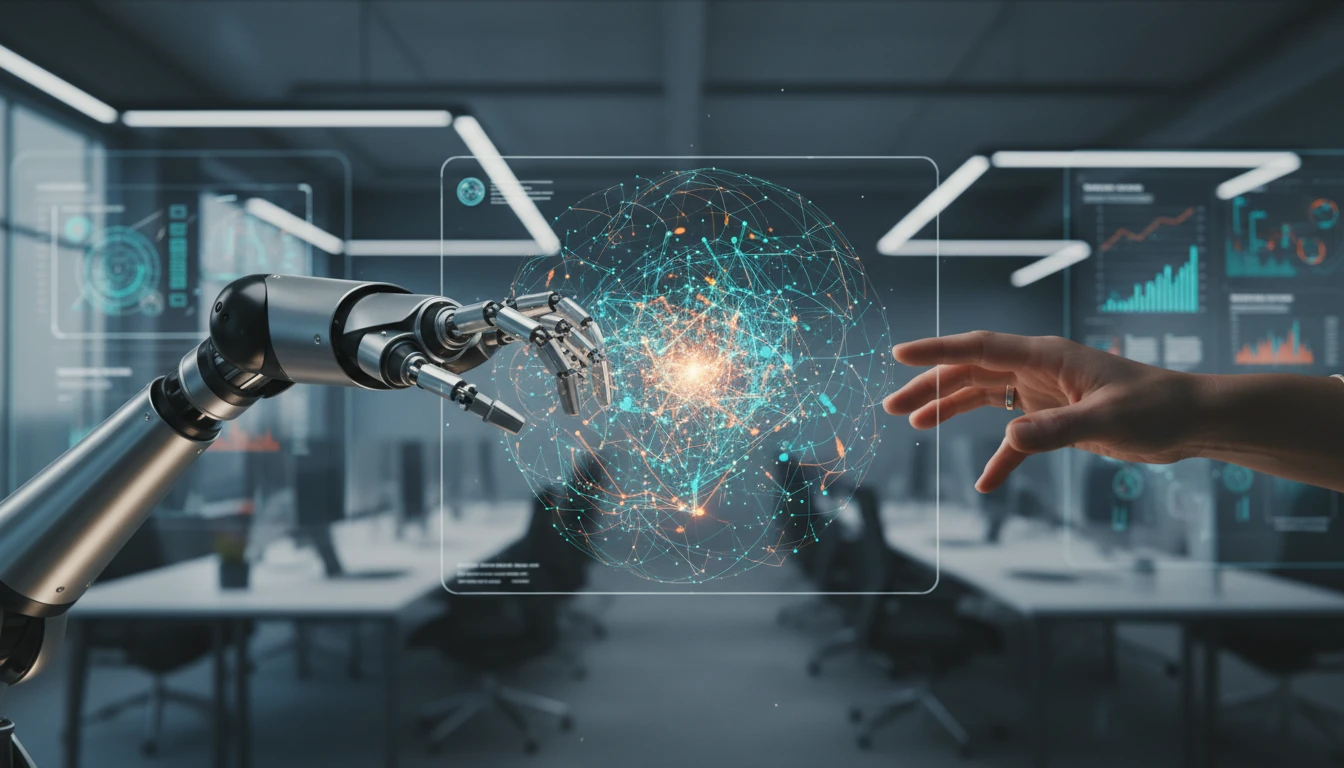
The most effective approach is not to choose between AI and human intelligence, but to blend them. The future is a hybrid model where AI acts as a powerful assistant, augmenting human capabilities rather than replacing them. Let AI do the heavy lifting: scan thousands of options, track prices, and handle routine scheduling. This provides a powerful starting point. Then, let a human make the final call, applying context, experience, and judgment to select the option that feels right. This collaborative process allows us to leverage AI's incredible efficiency for execution while retaining human oversight for wisdom and strategy. Companies that master this balance, using AI to support human decision-makers, will gain a significant competitive edge.