







The Flavour Is a Giveaway
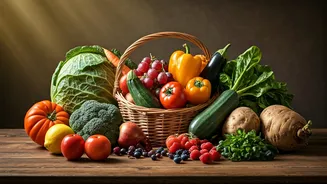
The most immediate and rewarding benefit of eating seasonally is the taste. Produce that is grown and harvested in its natural season is at its peak in terms of flavour and ripeness. Think of the juicy sweetness of a summer mango versus a waxy, bland
one found off-season. When fruits and vegetables are allowed to ripen naturally on the vine or tree and are picked at the right time, they develop their full flavour profile. Food that is transported long distances or grown in artificial conditions simply can’t compete. Eating seasonally means you get to enjoy food as it was meant to be tasted: vibrant, fresh, and delicious.
Maximum Nutrition, Minimum Effort
When produce is harvested, its nutritional value begins to decline. Vitamins, antioxidants, and other phytonutrients are sensitive to time, light, and temperature. Seasonal food, typically grown closer to you, has a shorter journey from the farm to your plate. This means it spends less time in storage and transit, retaining more of its vital nutrients. A carrot pulled from the ground in winter is packed with more beta-carotene than one that has been sitting in cold storage for months. By choosing what's in season, you are naturally selecting produce that is more nutritionally dense, giving your body the best possible fuel.
Good for Your Health, and Your Wallet
The basic principle of supply and demand makes seasonal eating an economically smart choice. When a particular fruit or vegetable is in season, it is abundant. Farmers have a plentiful harvest, and this surplus drives down prices at your local *sabzi mandi* or supermarket. You’ll notice that strawberries are a bargain in winter, while leafy greens become much cheaper during the cooler months. Trying to buy corn on the cob in peak winter or cauliflower in the middle of summer will not only result in a subpar product but also a higher price tag due to the costs of transportation and artificial cultivation.
Your Guide to Summer Eating
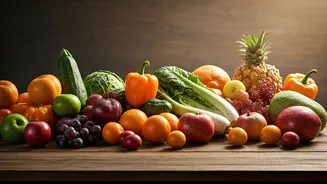
Indian summers (March to June) are scorching, and nature provides exactly what we need: foods that are hydrating and cooling. These fruits and vegetables are typically light and high in water content to help you beat the heat. **Fruits:** Mangoes, watermelon, muskmelon (*kharbuja*), lychee, and wood apple (*bael*). **Vegetables:** Cucumber (*kheera*), bottle gourd (*lauki*), pumpkin (*kaddu*), bitter gourd (*karela*), and lady's finger (*bhindi*). These are perfect for light curries and raitas.
Monsoon Must-Haves
The monsoon season (July to September) brings humidity and an increased risk of water-borne infections. Seasonal produce during this time helps boost immunity. It’s a time for earthy, robust flavours. **Fruits:** Jamun, plums (*aloo bukhara*), cherries, peaches, and pomegranate (*anaar*). **Vegetables:** Corn on the cob (*bhutta*), pointed gourd (*parwal*), snake gourd (*chichinda*), ridge gourd (*turai*), and a variety of local greens that thrive in the rain. Steamed or lightly cooked preparations are ideal.
Winter Wellness Foods
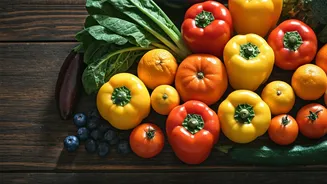
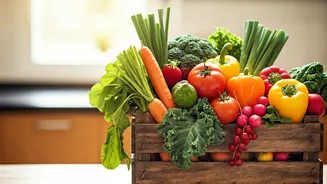
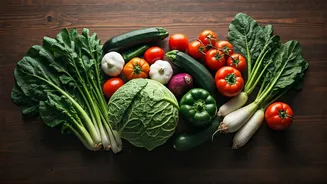
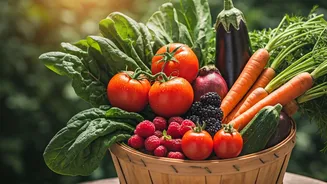
Winter (October to February) is the season for hearty, warming foods that provide energy and fortify the body against the cold. This is when root vegetables and lush leafy greens are at their absolute best. **Fruits:** Oranges, guava (*amrood*), grapes, custard apple (*sitaphal*), and strawberries. **Vegetables:** Carrots (*gajar*), beetroot (*chukandar*), spinach (*palak*), fenugreek leaves (*methi*), mustard greens (*sarson*), cauliflower (*phool gobi*), and sweet potatoes (*shakarkandi*). This is the perfect time for rich saags and nourishing soups.