


Anchor the Room: Bed Placement is Key
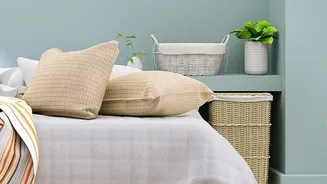
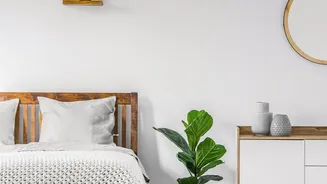
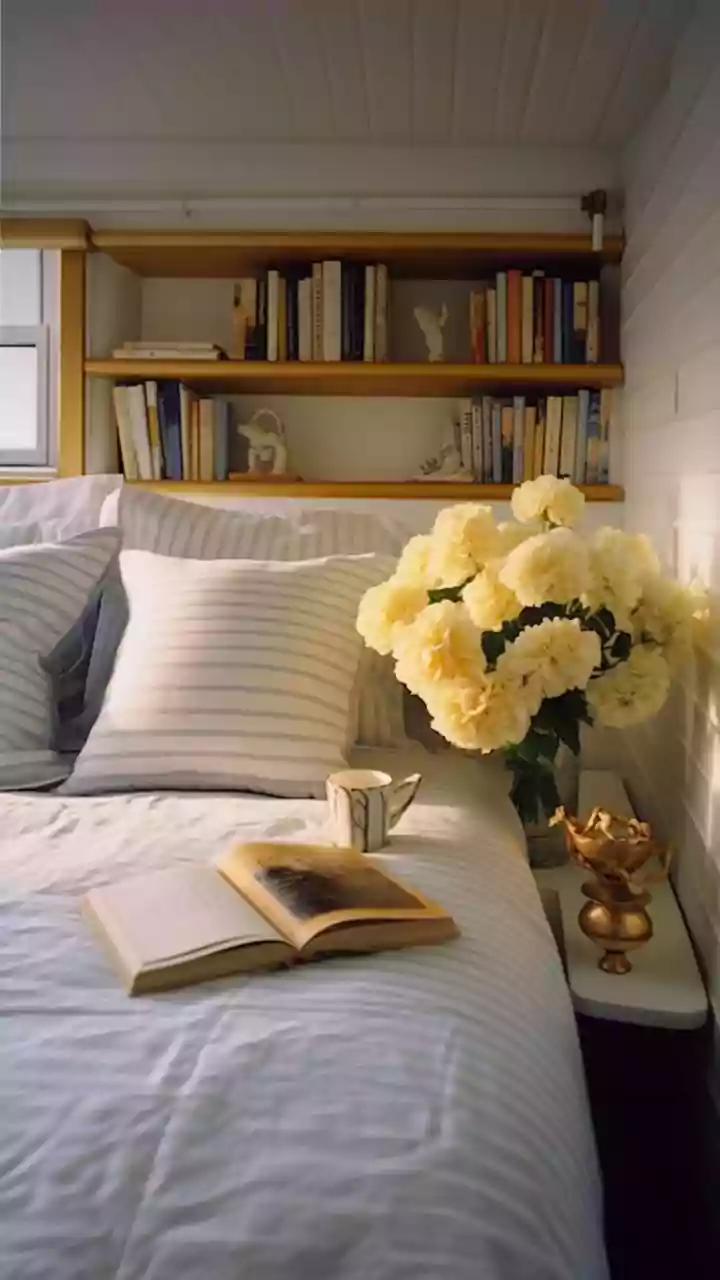
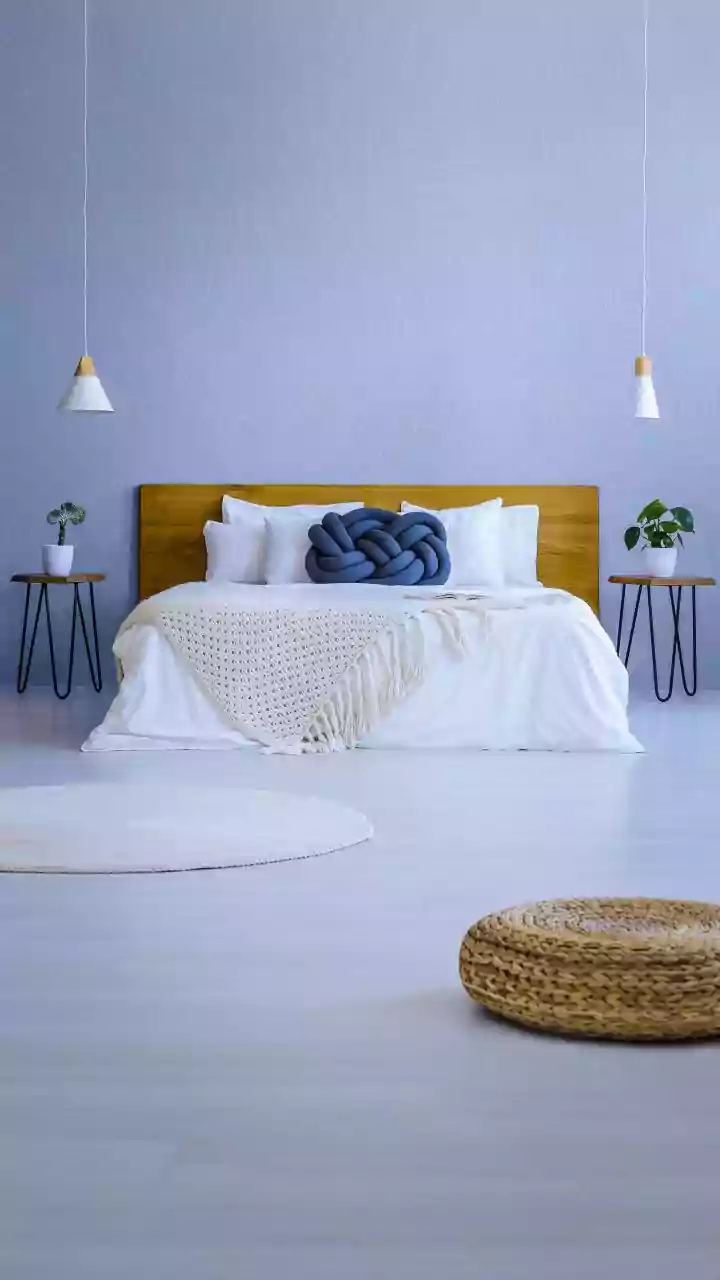
The largest piece of furniture in your bedroom is the bed, so its placement dictates the flow of the entire room. The most common and effective strategy is to place your bed against the center of the main wall, usually the one you see first when you walk
in. This creates a sense of symmetry and order, making the room feel more balanced and intentionally designed. If your room has an unusual shape or window placement, you might need to get creative. Pushing the bed into a corner can open up a significant amount of floor space, creating a cosy nook. Whichever wall you choose, ensure you leave enough of a pathway to move around comfortably.
Go Vertical: Draw the Eye Upward
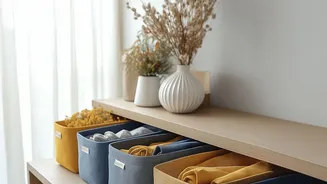
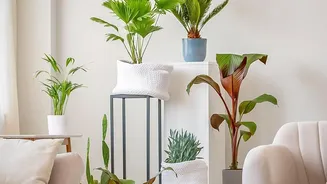
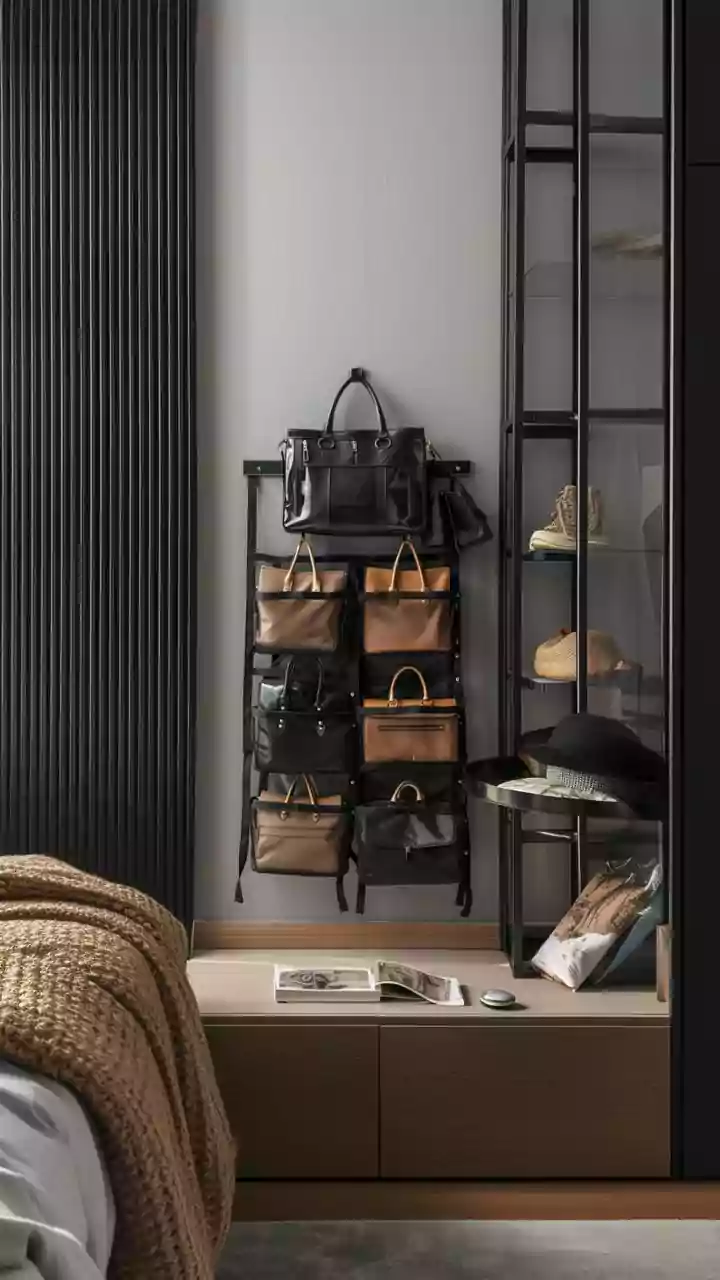
When you can't build out, build up. Using your vertical space is one of the most effective ways to declutter a small room. Instead of wide, short bookcases or dressers that eat up precious floor area, opt for tall, slender units. Wall-mounted shelves, floating nightstands, and hanging organisers are your best friends. They provide essential storage for books, plants, and personal items without occupying the floor, which makes the room feel more open. This technique not only offers practical storage solutions but also draws the eye upward, creating an illusion of height and making the entire space feel larger and more dynamic.
Double Duty: The Power of Multi-Functional Furniture
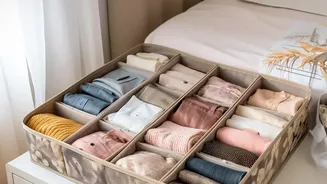
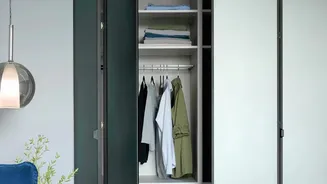
In a small bedroom, every piece of furniture should earn its keep. Multi-functional furniture is a game-changer for compact living in many Indian homes where space is at a premium. A bed with built-in drawers or a hydraulic lift base can eliminate the need for a separate dresser, offering ample hidden storage for bedding and seasonal clothing. An ottoman with a removable lid can serve as seating, a footrest, and a storage container. Similarly, a sleek desk can double as a vanity, while a sofa bed can transform a living space into a guest room in seconds. These smart pieces reduce the number of items you need, freeing up space and creating a cleaner look.
Create Illusion: Mirrors and Light Colours
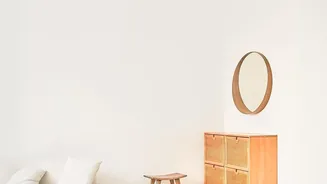
You can make a room feel bigger without knocking down a single wall. The strategic use of mirrors is an age-old trick for a reason: they reflect light and create an illusion of depth, visually doubling the size of a space. Placing a large mirror opposite a window is particularly effective, as it bounces natural light around the room, making it feel brighter and more expansive. This effect is amplified when paired with a light colour palette. Walls painted in soft, neutral shades like white, beige, or light grey reflect more light than dark colours, making the walls seem to recede. This combination of mirrors and light colours creates an airy, open atmosphere that combats any feeling of being confined.
Get Leggy: Choose Elevated Furniture
Furniture that sits directly on the floor can feel heavy and bulky in a small room. A simple but highly effective trick is to choose pieces with visible legs. A bed frame, nightstand, or dresser that is elevated off the ground allows you to see the floor underneath. This continuous sightline creates a feeling of openness and makes the room feel less crowded. Furniture with a lighter visual weight—such as pieces made with glass or acrylic, or those with slender frames—contributes to this airy aesthetic. By allowing light and air to flow more freely around and under your furniture, you create a sense of spaciousness that can make a huge difference.