

Hibiscus (Gudhal)
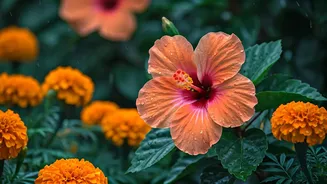
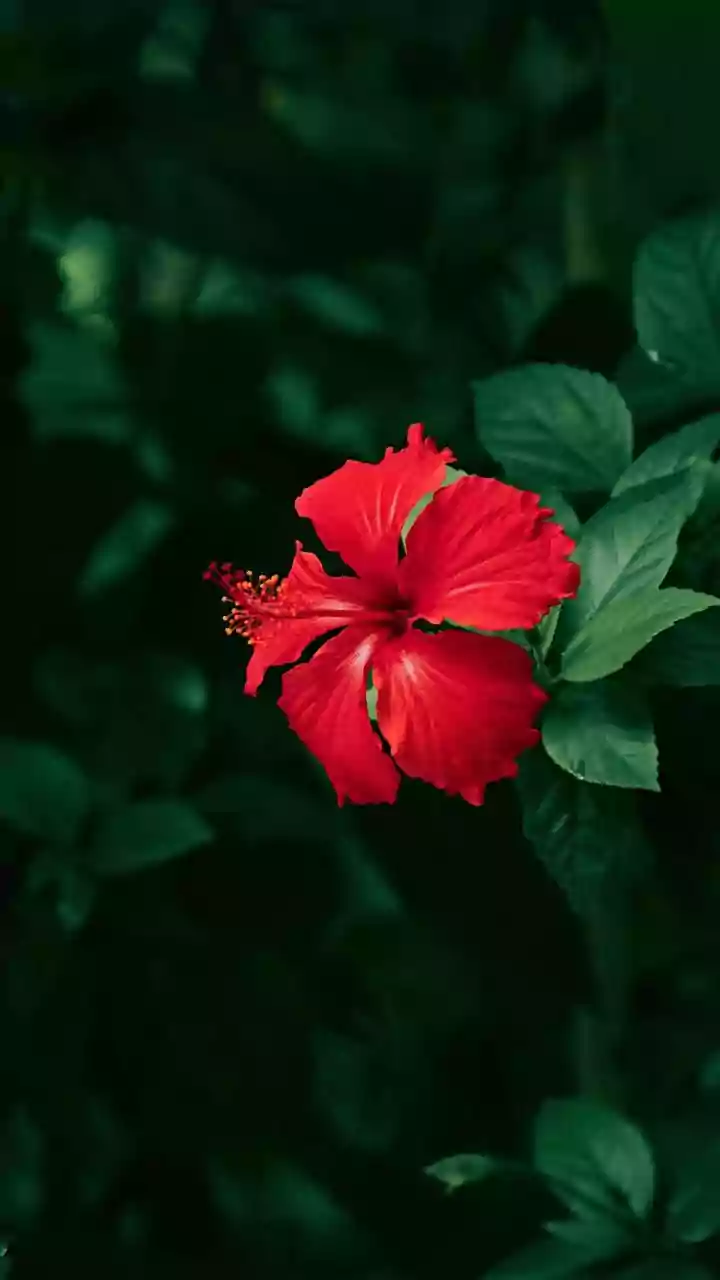
The quintessential tropical flower, Hibiscus is a star performer during the Indian monsoon. Its large, vibrant blooms in shades of red, pink, yellow, and white can brighten even the greyest of rainy days. Hibiscus plants are thirsty by nature and appreciate
the regular watering that the monsoon provides. They thrive in the high humidity, producing lush foliage and a steady stream of flowers. While they love water, they hate 'wet feet', so ensure your pot has excellent drainage holes to prevent root rot. A simple mix of garden soil, compost, and sand will keep it happy. Place it where it can get at least 4-6 hours of sunlight, and it will reward you all season long.
Balsam (Gul Mehendi)
If there's one plant that screams 'monsoon garden', it's the Balsam. Often called Gul Mehendi, this annual flowering plant is incredibly easy to grow from seed, often sprouting within a week. It produces beautiful, delicate flowers in shades of pink, purple, red, and white that nestle amongst its leaves. Balsams are perfectly adapted to the rainy season; they love moisture and flourish in the humid conditions. Their fast growth cycle means you can enjoy a full-blown flower show in a matter of weeks. They are a fantastic choice for beginners or for filling in empty spots in your balcony garden, providing a carpet of colour with minimal effort.
Spider Plant
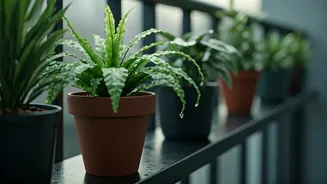
Looking for something virtually indestructible? The Spider Plant is your answer. This hardy plant is famous for its air-purifying qualities and its forgiving nature. During the monsoon, it enjoys the increased humidity, which helps keep its long, arching leaves green and vibrant. While it can tolerate a bit of overwatering, its tuberous roots store water, making it resilient if you occasionally forget. The best part? It produces 'spiderettes', or baby plants, that dangle from the mother plant. You can simply snip these off and pot them to create new plants for free. It’s a low-maintenance champion that looks great in hanging baskets.
Ferns
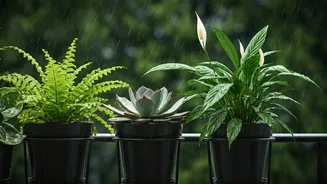
Ferns are ancient plants that evolved in damp, shaded forest floors, making them naturally suited to the monsoon environment. Varieties like the Boston Fern or the delicate Maidenhair Fern adore the high humidity and indirect light typical of the rainy season. The constant moisture in the air prevents their delicate fronds from drying out and turning brown. They are perfect for those shadier corners of your balcony or patio where other sun-loving plants might struggle. Keep their soil consistently moist but not waterlogged. A well-draining pot is key. They bring a touch of lush, woodland magic to your urban space.
Peace Lily
With its glossy, dark green leaves and elegant white spathes (the 'flowers'), the Peace Lily is a sophisticated addition to any indoor or covered balcony garden. It prefers consistently moist soil and thrives in the high humidity of the monsoon. It's also tolerant of lower light conditions, making it another excellent choice for spots that don't receive direct, harsh sunlight. The Peace Lily is great at communicating its needs; if it's thirsty, its leaves will droop dramatically, perking up quickly after a drink. This makes it hard to overwater, as you have a clear visual cue. It’s a beautiful, air-purifying plant that asks for very little in return.
A Monsoon Plant Care Checklist
Even the most rain-loving plants need a little help to thrive. First, check your pots. Ensure drainage holes are clear and unblocked to let excess water escape. You can elevate pots on bricks or pot feet to further improve drainage. Second, be vigilant about pests. The damp conditions are ideal for slugs, snails, and fungal diseases. Inspect your plants regularly and act fast if you see any issues. Third, adjust your watering schedule. On days with heavy, continuous rain, your plants won't need any extra water from you. Finally, hold back on the fertilizer. Most plants enter a period of vigorous growth during the monsoon and don't need the extra push that fertilizer provides, which can sometimes lead to weak, leggy growth.