




A Familiar Monsoon Fear
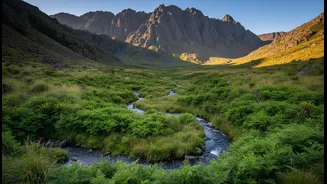
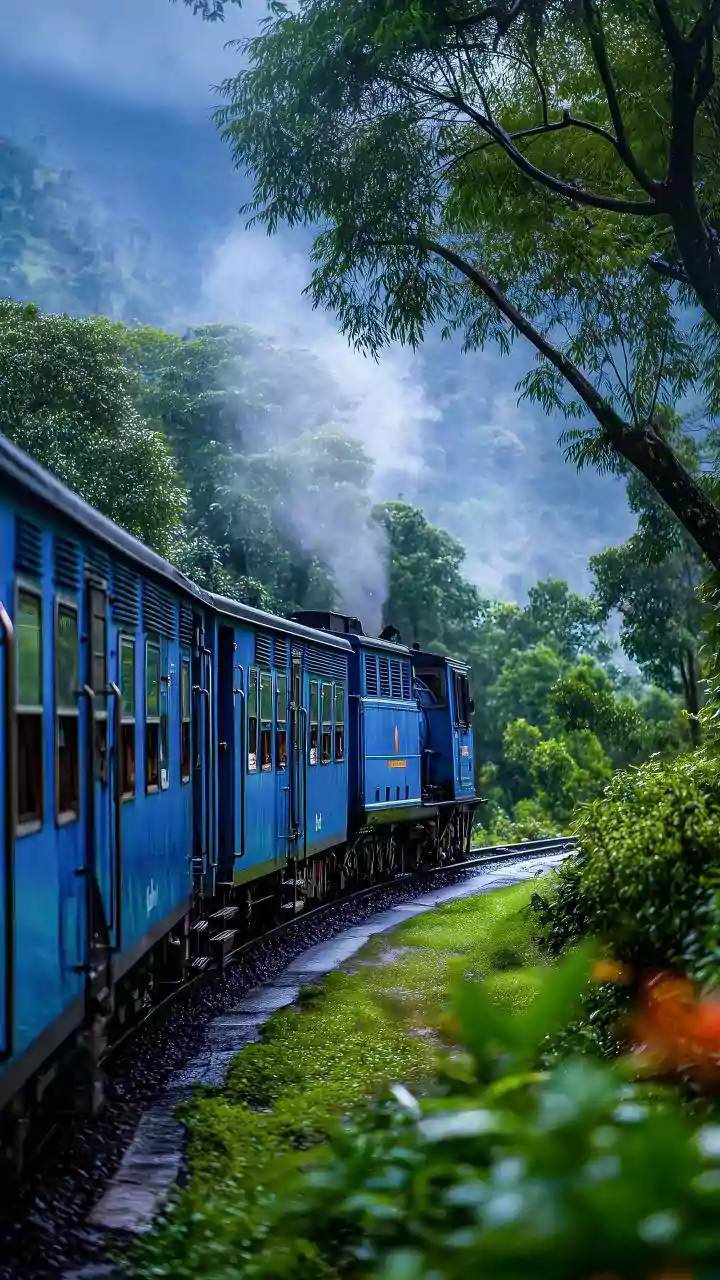
For generations, the monsoon months meant escaping city heat for the cool, misty climes of places like Shimla, Manali, Nainital, and Mussoorie. These destinations promised verdant landscapes and relief from the plains. However, this idyllic image is now
frequently shattered by reality. In recent years, increasingly erratic and intense rainfall has led to devastating consequences. News cycles every July and August are dominated by images of washed-out roads, stranded tourists, and widespread landslides in Himachal Pradesh and Uttarakhand. Reports of key highways like those connecting to Manali and Shimla facing closures have become an annual occurrence, turning a planned relaxing break into a high-risk gamble. This growing unpredictability and clear danger have led many urban families to question their long-held holiday habits.
The Rain Shadow Sanctuaries
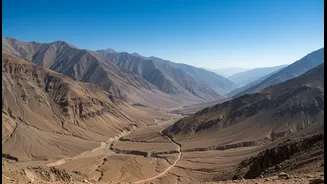
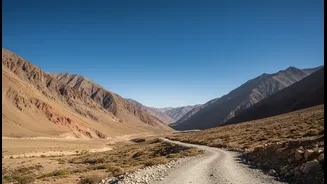
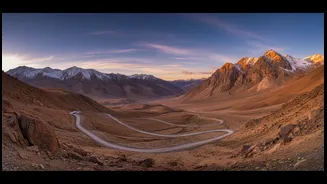
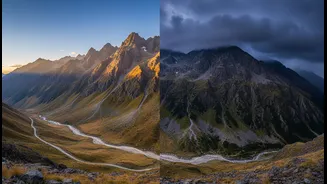
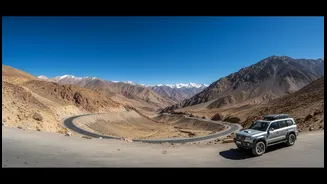
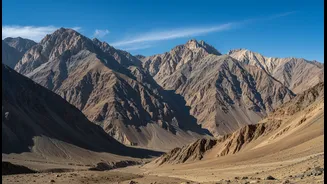
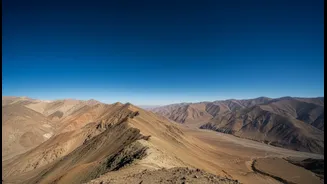
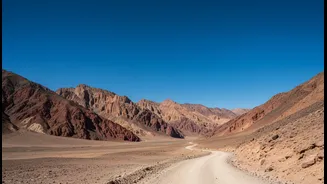
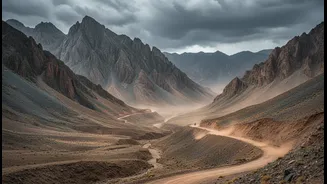
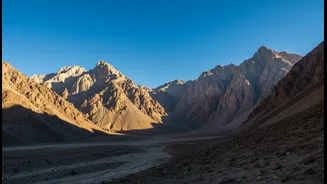
Enter Spiti and Ladakh. These trans-Himalayan regions offer a starkly different, and crucially, safer alternative during the monsoon. The secret lies in their unique geography. Both Spiti Valley and Ladakh are located in a "rain shadow." The towering Greater Himalayan and Pir Panjal ranges act as a massive barrier, blocking the moisture-laden monsoon clouds from the south. While the windward side of these mountains (like most of Himachal and Uttarakhand) gets drenched, the leeward side, where Spiti and Ladakh lie, remains arid and dry. As a result, while the rest of the country experiences heavy rains, these high-altitude deserts enjoy clear, sunny skies and minimal precipitation, making them ideal for travel between June and September.
A Different Kind of Family Adventure
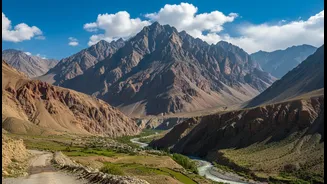
Choosing Spiti or Ladakh is not just about avoiding risk; it's about embracing a completely different kind of mountain experience. Instead of misty green valleys, families discover a dramatic landscape of barren mountains, turquoise rivers, and vast open skies. The journey itself, often a multi-day road trip, becomes a central part of the adventure. The focus shifts from typical tourist town activities to exploring ancient monasteries perched on cliffs, like the famous Key Monastery in Spiti, sending a postcard from the world's highest post office in Hikkim, or marvelling at the pristine beauty of high-altitude lakes like Pangong Tso and Chandratal. For families, this offers a unique educational and bonding experience, far removed from the commercialised hustle of more conventional hill stations.
Planning is Paramount
This shift in destination requires a corresponding shift in planning. A trip to Spiti or Ladakh is not a spontaneous weekend getaway. The foremost consideration is acclimatisation. At altitudes often exceeding 10,000 feet, Acute Mountain Sickness (AMS) is a real risk, especially for children. Itineraries must be planned with gradual ascent and rest days. While the regions themselves are dry, the access roads, particularly the Manali-Leh and Manali-Kaza routes, cross monsoon-affected areas and can present their own challenges like water crossings and shooting stones. The Shimla-Kaza route is generally considered a more reliable, though longer, option during the monsoon. Due to the surge in popularity, booking accommodations and reliable transport well in advance is now essential.
The New Family Holiday
This trend is part of a larger shift in how urban Indian families approach travel. There's a growing appetite for experience-led journeys over simple sightseeing. Families are increasingly seeking meaningful, activity-based holidays that create lasting memories. The decision to choose the stark, adventurous landscapes of Spiti and Ladakh over the familiar comforts of Shimla is a conscious one. It reflects a desire for safer travel in an era of climate uncertainty, a thirst for authentic experiences, and a willingness to embrace the challenges of the journey for the rewards of discovering one of India's most spectacular and serene corners.