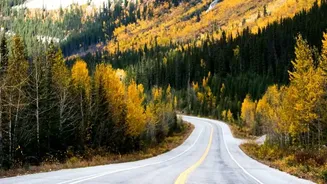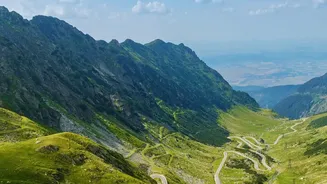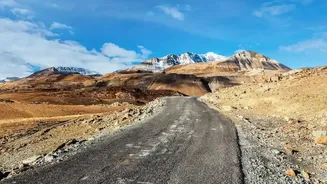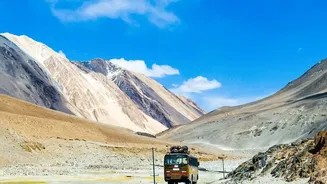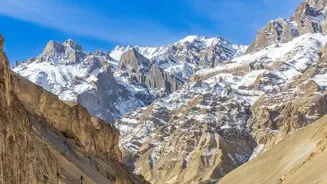




Choose Your Route Wisely: The Autumn Dilemma
In autumn, your route choice is your most critical safety decision. The popular Manali-Kaza highway, via the Atal Tunnel and Kunzum Pass, becomes risky. Early snowfall can lead to the closure of Kunzum Pass (4,551m) as early as mid-October. For a safer
and more reliable journey, opt for the route from Shimla via Kinnaur. This path has a more gradual ascent, which also helps your body acclimatize better to the altitude, and it generally remains open until later in the season. While the Manali route is shorter, the Shimla road offers stability when weather becomes unpredictable.
Vehicle Prep: Your Car is Your Lifeline
The rugged terrain of Spiti demands a vehicle in top condition. Before you start, get your car thoroughly serviced, paying close attention to brakes, tyres, and the clutch plate. High ground clearance is a significant advantage on these roads. Ensure your coolant is topped up and consider using an antifreeze formula as temperatures will drop below freezing, especially at night. A crucial hack is to carry a basic toolkit, a reliable air pump, a puncture repair kit, and jump-start cables. Given the vast distances between fuel stations, carrying a spare fuel can is also advisable, especially if you plan to explore remote villages. The last reliable fuel pump on the Shimla route is in Reckong Peo, so top up there.
Beat the Altitude: Acclimatize and Hydrate
Acute Mountain Sickness (AMS) is a real and serious risk in Spiti, where you will consistently be above 3,500 metres. The golden rule is to ascend slowly. The Shimla route naturally aids this. Plan to spend at least one night in a lower-altitude town like Kalpa or Reckong Peo before heading to Kaza. Hydration is non-negotiable; aim to drink 3-4 litres of water daily. A travel hack is to carry instant soup or herbal tea bags; a flask of hot water not only keeps you warm but also encourages you to drink more. Avoid alcohol, especially during the first 48 hours at altitude, as it dehydrates you and can mask the early symptoms of AMS. Symptoms like persistent headaches, nausea, or extreme fatigue should never be ignored—the only cure is to descend to a lower altitude immediately.
Smart Packing for a Cold Desert
Autumn weather in Spiti is a story of extremes. Sunny days can feel pleasant, but temperatures plummet dramatically once the sun sets, often dropping well below zero at night. The key is layering. Pack multiple thin layers rather than one bulky jacket. Essential items include thermal wear, fleece jackets, and a windproof and waterproof outer shell. Woolen socks, gloves, and a warm cap or balaclava are crucial for evenings and early mornings. The sun's UV rays are harsh at high altitudes, so a good pair of sunglasses and a broad-spectrum sunscreen (SPF 50+) are necessities. As many guesthouses and restaurants begin to close by late October, carrying high-energy snacks like nuts and dried fruits is a smart move.
On-the-Road Safety and Logistics
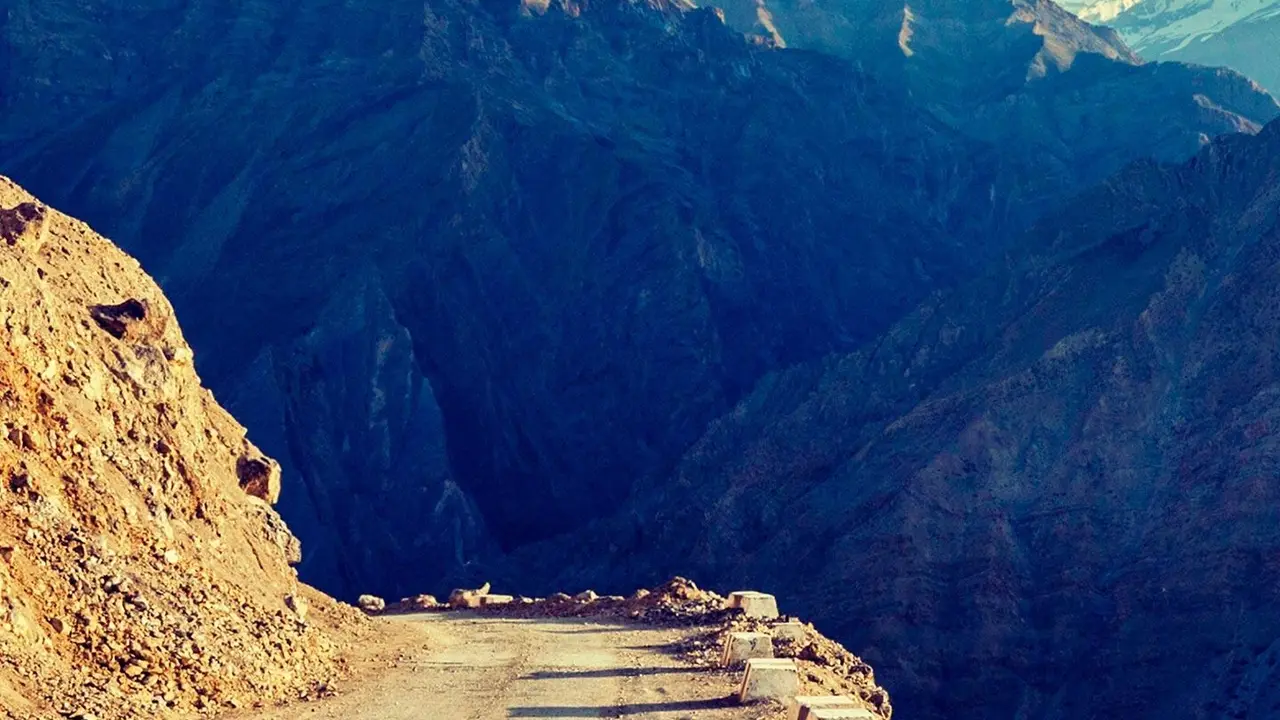
The roads in Spiti are challenging, with gravel stretches, blind curves, and potential water crossings (nalas). Always start your day early to maximize daylight hours and avoid driving after dark at all costs. Be vigilant in areas marked as “shooting stones” zones. Another reality of autumn travel is reduced services. Many smaller homestays and seasonal campsites, especially around Chandratal Lake, close by mid-October. It is wise to pre-book your accommodation in Kaza and other major stops. Lastly, connectivity is sparse. Do not rely on digital payments; carry enough cash for your entire trip. Download offline maps before you leave, as mobile networks are unreliable outside of Kaza, where only Jio and BSNL have some presence.