


Choose Your Foundation
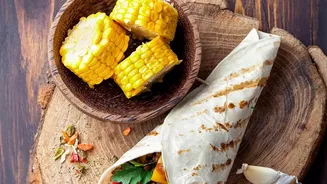
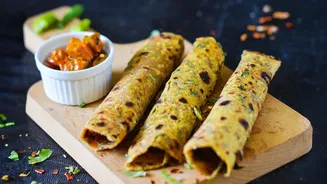
The base of any good wrap is, of course, the wrap itself. While a standard large tortilla works well, don't be afraid to use what you have. A leftover roti or chapati makes for a fantastic and familiar base. Even a soft paratha can be used, offering a flakier,
richer texture. The key is to choose a flatbread that is pliable and large enough to hold your fillings. If your chapati or roti feels a bit stiff, you can warm it for a few seconds in a dry pan or microwave to make it more flexible and easier to fold without cracking. This simple step is crucial for building a wrap that holds together.
Raid the Fridge for Fillings
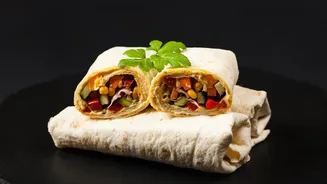
This is where your creativity can shine. Almost any leftover from an Indian dinner can be repurposed. Dry or semi-dry sabzis like aloo gobi, bhindi masala, or paneer bhurji are excellent candidates. Even leftover dal or rajma can be used if you thicken it first by simmering it on the pan to remove excess moisture. This concentrates the flavour and prevents a soggy wrap. Cooked rice, quinoa, or even leftover keema can provide a hearty, protein-packed filling. Don't hesitate to mix and match; a spoonful of sabzi combined with some dal can create a brand new flavour profile. The goal is to use fillings that are flavourful and not overly wet.
Add Freshness and Contrast
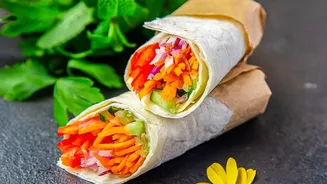
While leftovers provide a savoury base, adding a fresh component elevates the wrap from good to great. A sprinkle of finely chopped raw onion, fresh coriander, or juicy tomatoes can add a much-needed crunch and brightness. A layer of green chutney, a dollop of thick hung curd, or even a simple squeeze of lemon juice can provide moisture and a tangy counterpoint to the rich, spiced fillings. If you're including eggs, you can scramble them with spices like turmeric and cumin for an extra layer of flavour. These additions not only boost the taste but also add textural contrast, making each bite more interesting.
Master the Art of the Fold
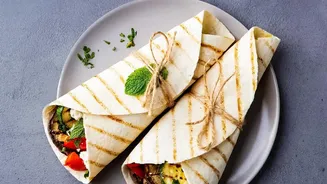
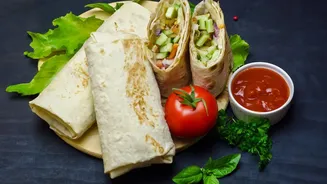
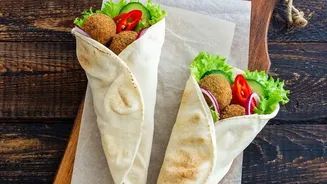
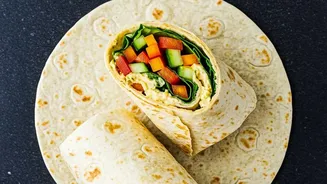
A well-folded wrap is the difference between a neat, portable meal and a messy handful. The key is to not overfill. Place your fillings in a line slightly below the center of your roti or tortilla. First, fold the two sides inwards over the filling. Then, take the bottom edge (the one closest to you) and fold it up and over the filling, tucking it in tightly. Continue rolling away from you, keeping the roll snug as you go. For an even more secure fold, some people use a bit of chutney or a thick sauce as an 'edible glue' on the final edge to seal it. A tight roll is essential for portability.
Tips for a Slog-Free Breakfast
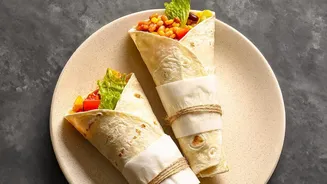
The greatest enemy of a make-ahead wrap is sogginess. To combat this, ensure all your fillings have cooled down completely before you start assembling. Hot fillings create steam, which translates to moisture and a soggy wrap. If using a sauce or chutney, spread it in a thin layer, as too much liquid is a primary culprit. Creating a barrier with a slice of cheese or a layer of drier ingredients between the tortilla and wetter fillings can also help. Once assembled, you can give the wrap a quick toast on a pan to crisp up the outside and help meld the ingredients. For ultimate portability, wrap the finished product tightly in aluminum foil or parchment paper, which will help it hold its shape until you're ready to eat.