





Why Monsoon is a Double-Edged Sword
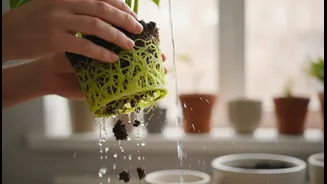
The Indian monsoon, with its high humidity and frequent showers, can be a paradise for some plants and a death sentence for others. The primary danger is overwatering, which leads to root rot, the silent killer of potted plants. When soil remains waterlogged,
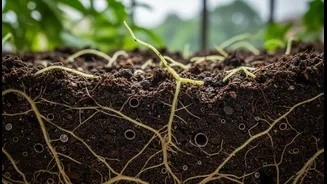
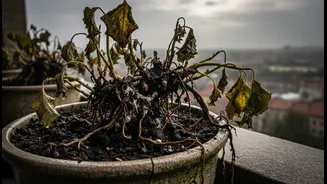
it cuts off oxygen to the roots. This suffocates them, preventing them from absorbing nutrients and creating a breeding ground for fungi and bacteria. The result? A plant that looks wilted and thirsty, even when its soil is soaking wet—a classic sign the root system has failed. Furthermore, the constant dampness on leaves and reduced air circulation in our homes and balconies create the perfect environment for fungal infections and pests to thrive.
Meet the Rain Worshippers
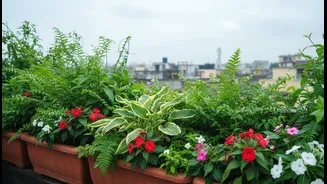
Some of our most beloved houseplants are native to tropical rainforests, where they are accustomed to high humidity and consistent moisture. These plants celebrate the monsoon. You can even move them outdoors for a gentle rain bath to wash dust off their leaves and give them a boost. Plants that typically thrive in these conditions include:
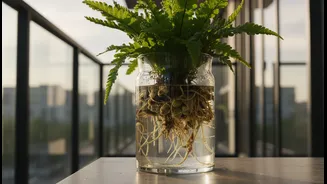
Ferns: Species like the Boston Fern and Maidenhair Fern love high humidity and will look their lushest during the rains.
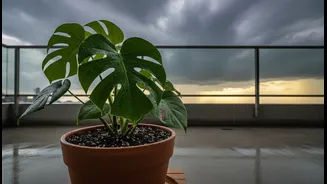
Monstera: With its iconic leaves, this jungle plant enjoys the ambient moisture that the monsoon brings.
Caladiums and Colocasia: These plants with large, dramatic leaves flourish in the rainy season, showing off their most vibrant growth.
Palms: Varieties like the Areca Palm and Bamboo Palm act as natural humidifiers and appreciate the moist conditions.
Flowering Plants: Hibiscus, Jasmine, and Rain Lilies are known to put on a spectacular show during the monsoon, producing abundant blooms.
The Water-Wary Wanderers
On the other end of the spectrum are plants adapted to arid environments. These plants have evolved to store water in their leaves, stems, or roots, and they absolutely detest having 'wet feet'. For this group, the monsoon is a period of high alert. Keeping them exposed to continuous rain is a recipe for disaster, as root rot can set in within just a couple of days of saturated soil. The most vulnerable plants in an Indian balcony garden include:
Succulents and Cacti: This is the most at-risk group. Plants like Echeveria, Aloe Vera, Jade, and all cacti must be shielded from rain. Their fleshy leaves are water stores, making them extremely susceptible to rot.
Snake Plants and ZZ Plants: Both are known for being hardy and low-maintenance precisely because they tolerate drought. Their rhizomatous roots store water, making them prone to rot if overwatered.
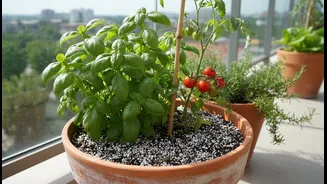
Herbs with soft foliage: Many common herbs like basil and coriander can suffer from fungal issues and stem rot in constant dampness.
A Practical Guide to Separation and Care
Managing your diverse plant family during the monsoon is all about strategic placement and adjusted care routines. The first and most crucial step is to move all succulents and cacti under a cover, like a porch, a windowsill, or even under a simple umbrella or temporary plastic sheet, before the first heavy rains. For your other plants, follow these tips:
Check Before You Water: The golden rule of monsoon care is to stop watering on a fixed schedule. Always check the soil first by sticking your finger an inch deep. If it feels moist, do not water.
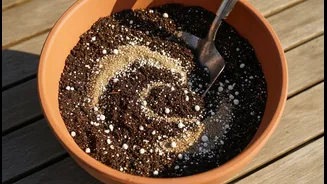
Ensure Excellent Drainage: Make sure every pot has clear, unobstructed drainage holes. Elevating pots on stands or bricks can also help prevent them from sitting in water.
Improve Air Circulation: Avoid overcrowding plants. Good airflow helps leaves dry faster and reduces the risk of fungal diseases.
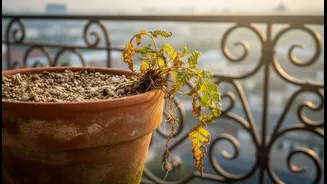
Watch for Red Flags: Be vigilant for signs of distress. Yellowing leaves, mushy stems, a foul smell from the soil, or the appearance of fungus gnats are all indicators of overwatering and potential root rot. If you spot these, act quickly to assess the roots and repot if necessary.