



The New Backbone of a Digital Nation
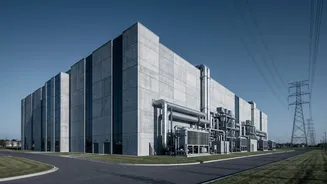
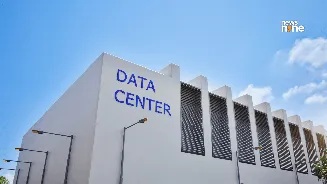
Data centres are the new highways, ports, and power grids of the 21st century. These facilities, filled with powerful computers and storage systems, are the physical home for everything we do online. But AI data centres are a different breed. Unlike traditional
centres that store emails and websites, AI-specific facilities are built for the intense, non-stop processing required to train and run complex algorithms. This makes them far more power-hungry and heat-intensive, transforming them from simple storage warehouses into high-performance computing hubs. As India pursues a trillion-dollar digital economy, these AI data centres are becoming non-negotiable national infrastructure, crucial for innovation, economic growth, and digital sovereignty.
India's Data Centre Gold Rush
India is experiencing an unprecedented data centre construction boom. The country's data centre capacity is projected to surge dramatically, with some estimates suggesting a growth from around 1.5 GW in 2025 to nearly 10 GW by 2030. This expansion is driven by a perfect storm of factors: increasing internet penetration, data localisation policies that require data to be stored within India, and now, the explosive growth of AI. Major corporations are pouring billions of dollars into building massive 'hyperscale' data centres across the country, particularly in hubs like Mumbai, Chennai, Hyderabad, and new destinations like Visakhapatnam. Companies like Reliance, Adani, and global giants like Google are all making significant investments, signaling the immense strategic importance of this sector.
The Hidden Environmental Price Tag
This digital transformation comes with a hefty environmental cost. The two biggest concerns are electricity and water. AI data centres consume staggering amounts of power, running 24/7. It's projected that data centres could consume up to 3% of India's total electricity by 2030, a significant jump from less than 1% today. This puts immense pressure on a power grid that is still heavily reliant on fossil fuels, potentially complicating India’s net-zero emission goals. Furthermore, all that computing power generates enormous heat, which requires constant cooling. In many cases, this is done using water-based evaporative cooling systems. A single large data centre can consume millions of litres of water per day, equivalent to the daily needs of a small town.
A Challenge for a Water-Stressed Nation
The water footprint is particularly alarming for India, a country already facing significant water stress. Many data centres are being built in or near cities like Chennai, Bengaluru, and Mumbai, which have recently faced severe water shortages. In 2024, India's data centres were estimated to consume around 150 billion litres of water, a figure that is projected to more than double by 2030. This creates a direct conflict between the needs of the burgeoning tech industry and the basic water security of local populations and agriculture. The problem is compounded because the environmental impact assessments and regulatory frameworks have not kept pace with the industry's rapid growth, leading to what some experts call a governance failure.
The Path to a Greener Digital Future
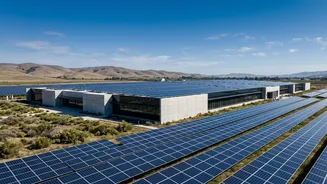
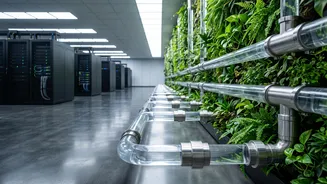
The good news is that the challenge is being recognised, and a push for solutions is underway. The industry and government are increasingly focusing on 'green data centres'. This involves powering facilities with renewable energy sources like solar and wind, for which many companies have signed power purchase agreements. There's also a move towards more efficient cooling technologies, such as direct-to-chip liquid cooling, which can significantly reduce water consumption. Industry players like CtrlS, AdaniConneX, and Nxtra by Airtel have made public commitments to sustainability, aiming for carbon neutrality and 100% renewable energy use. Concurrently, state governments are offering incentives for green-certified facilities, and a national data centre policy aims to create a cohesive framework for sustainable growth.