


The Magic of a Master Gravy
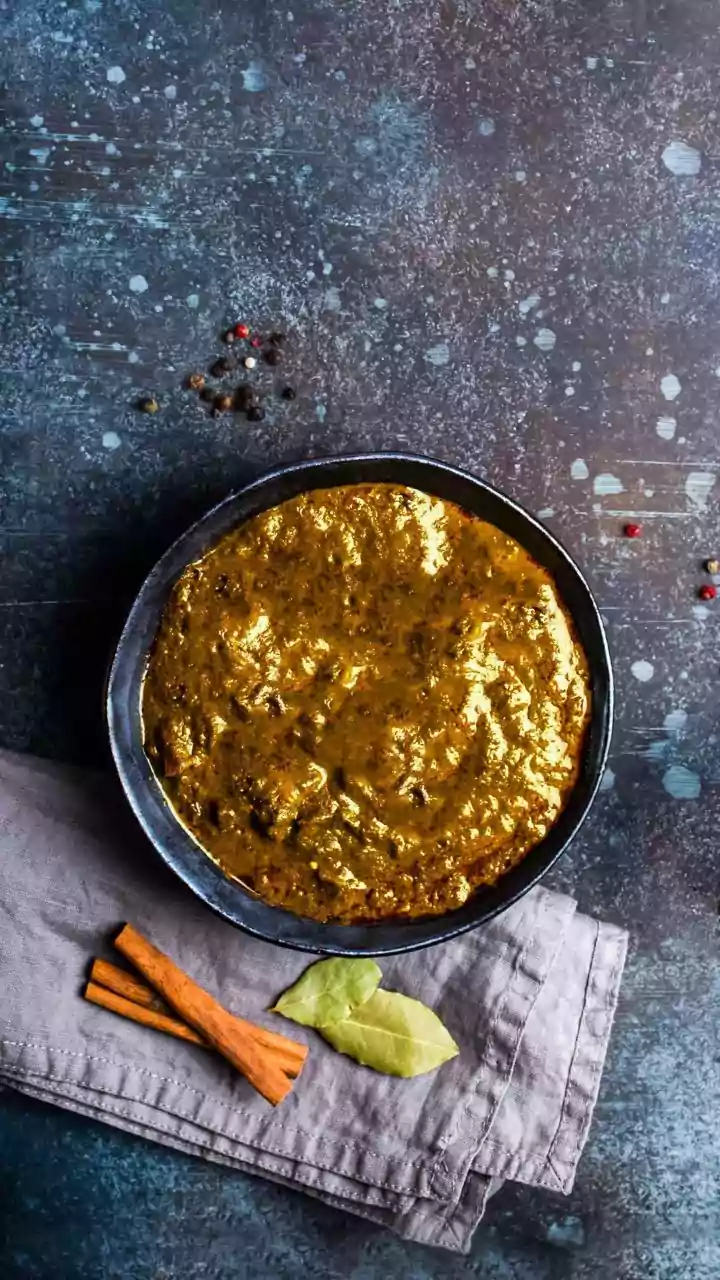
At the heart of many North Indian dishes is a foundational sauce, often called 'bhuna masala' or simply an onion-tomato masala. It is a slow-cooked, concentrated paste made by sautéeing aromatics like onions, ginger, and garlic, then simmering them with
tomatoes and a blend of spices until the oil separates. This process, known as 'bhun-na', develops a deep, complex flavour that forms the backbone of countless curries. By preparing a large batch of this base in advance, you can cut your daily cooking time dramatically, turning a 45-minute process into a 15-minute meal assembly. It’s the ultimate meal prep strategy for anyone who loves Indian food.
Gathering Your Core Ingredients
The beauty of this base lies in its simple, accessible ingredients. You will need a good quantity of onions and tomatoes, which form the bulk of the gravy. A common ratio is about one part onion to two parts tomato by weight, but this can be adjusted to your taste. For aromatics, fresh ginger and garlic are non-negotiable for that authentic punch; you can use a pre-made paste for convenience or make your own. A neutral vegetable oil or even mustard oil can be used for cooking. While fresh tomatoes are excellent, good quality canned tomato purée works just as well and ensures consistency year-round.
The Essential Spice Quartet
While whole spices can add another layer of complexity, the essential powdered spices for a versatile base are few. Turmeric powder provides earthy notes and its signature golden colour. Red chilli powder, such as Degi or Kashmiri mirch, adds vibrant colour and adjustable heat. Coriander powder brings a citrusy, floral element, while cumin powder adds a warm, nutty depth. These four spices create a balanced flavour profile that can be easily customized later. Garam masala, a finishing spice blend, is typically added at the end of cooking the final dish, not to the base itself, to preserve its aromatic oils.
Step-by-Step: Building the Flavour
The process is straightforward but requires a bit of patience. Start by heating oil in a heavy-bottomed pan and adding cumin seeds if you like. Add finely chopped or blended onions and cook them on a low to medium flame until they are soft and golden brown, which can take 15-20 minutes. Don't rush this step, as well-browned onions provide the sweetness and depth. Next, add the ginger-garlic paste and cook for another minute until the raw smell disappears. Stir in the powdered spices—turmeric, red chilli, and coriander—and cook for about 30 seconds. Finally, add the tomato purée and salt. Let this mixture simmer, stirring occasionally, until it thickens considerably and you see oil separating at the edges. This indicates the masala is perfectly cooked.
Cooling, Blending, and Storing
Once the base is cooked, let it cool completely. You can choose to leave it chunky for a rustic texture or blend it into a smooth paste for a restaurant-style gravy. For storage, airtight containers are essential. The base will keep well in the refrigerator for up to a week. For longer-term storage, freezing is the best option. A popular method is to portion the base into an ice cube tray. Once frozen, transfer the cubes to a zip-lock bag. This allows you to grab exactly the amount you need for a single meal, minimising waste and making weeknight cooking incredibly efficient. The base can be stored in the freezer for up to three months.
From Base to Brilliant Meals
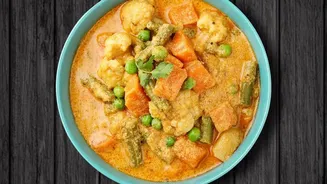
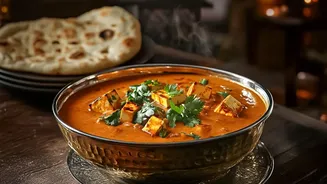
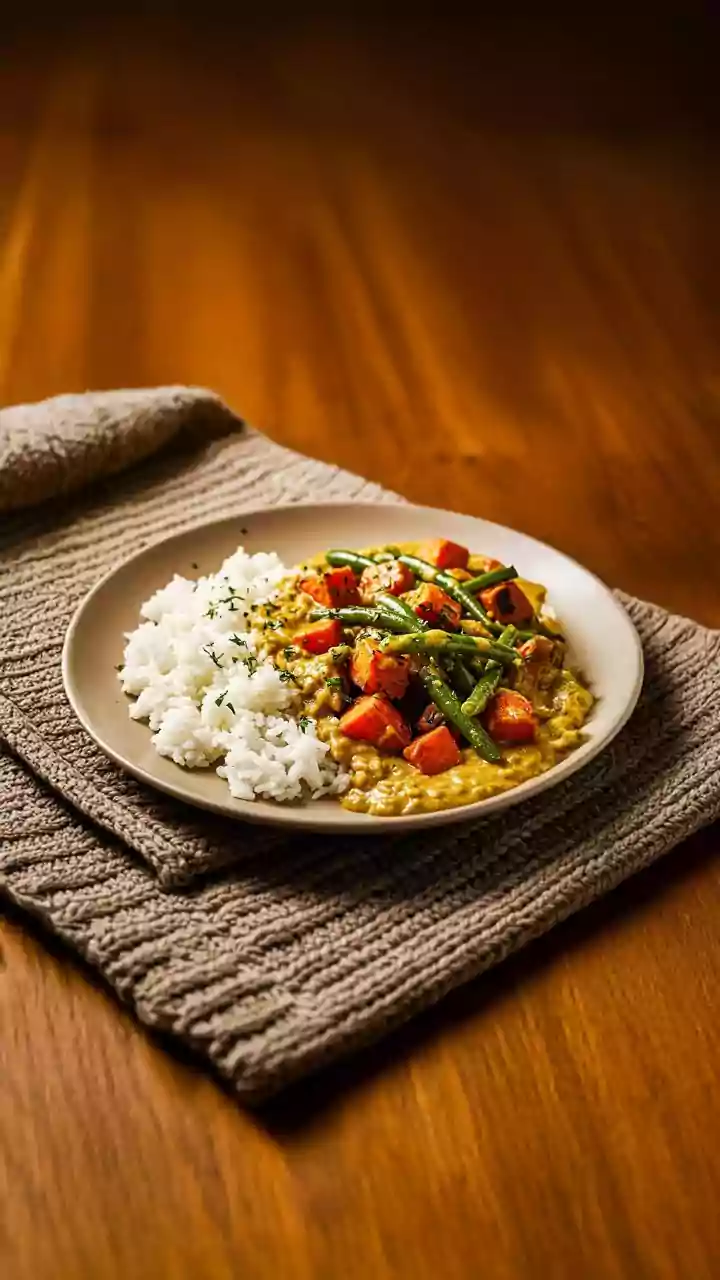
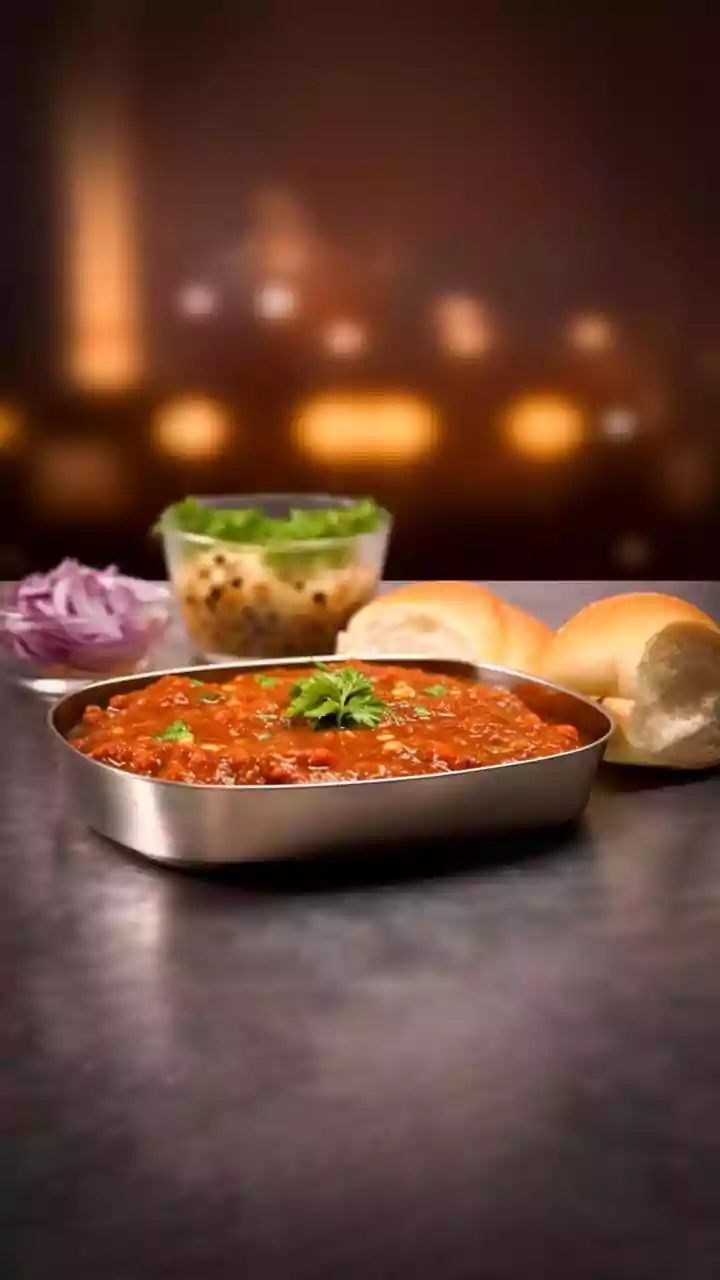
The true versatility of your curry base shines when you start cooking with it. For a quick Chana Masala, simply sauté a few cubes of the base, add boiled chickpeas, a splash of water, and finish with a sprinkle of garam masala. For a creamy Paneer Butter Masala, add your base to a pan with a bit of butter, stir in cashew paste and a touch of cream, add paneer cubes, and simmer. To make a simple chicken curry, brown your chicken, add a few spoonfuls of the gravy base, some water or coconut milk, and let it cook until the chicken is tender. The possibilities are nearly endless, covering everything from vegetable korma to dal fry.