



The Nutritional Power of Ragi
Ragi, also known as finger millet, is a grain that has been a staple in Indian households for centuries, and for good reason. It is a nutritional powerhouse, making it an ideal ingredient for a healthy breakfast. One of its most celebrated qualities is that it is naturally
gluten-free, making it a safe and excellent choice for individuals with gluten sensitivities or celiac disease. Furthermore, ragi is packed with dietary fibre, which aids in digestion, promotes a feeling of fullness to prevent overeating, and helps in managing blood sugar levels. This high fibre content ensures a slow release of energy, keeping you active and satiated throughout the morning. Ragi is also an exceptional source of calcium, crucial for maintaining strong bones and teeth. Additionally, it is rich in iron, which is vital for preventing anaemia and boosting overall energy levels.
An Ideal Breakfast for All
The benefits of incorporating ragi into your first meal of the day are extensive. For those managing diabetes, ragi is an excellent food choice due to its low glycemic index, which helps prevent sharp spikes in blood sugar. The complex carbohydrates and high fibre in the grain ensure that glucose is released slowly into the bloodstream. Its rich amino acid profile, including tryptophan, can help in reducing appetite and managing weight effectively. For growing children and adults alike, the dense nutrient profile—including essential vitamins and minerals—supports overall development and well-being. Being completely free of cholesterol and low in sodium, ragi also contributes positively to heart health by helping to manage cholesterol levels.
Preparing the Ragi Crepe Batter
Creating the batter for your savoury ragi crepes, or ragi dosa, can be done in two main ways: through a traditional fermentation process or a quick instant mix. For the fermented version, soak one cup of ragi and a quarter cup of urad dal (black lentils) for about six to eight hours. After soaking, grind the mixture into a smooth, thick batter, adding water as needed. Allow this batter to ferment in a warm place overnight or for at least eight hours. This process enhances the nutritional value and gives the crepes a light, airy texture. For a quicker, instant version, you can simply use ragi flour. Mix one cup of ragi flour with a quarter cup of rice flour and a quarter cup of wheat flour or semolina for structure and crispness. To this dry mix, add buttermilk or water, salt, and finely chopped ingredients like onions, green chillies, ginger, and curry leaves to create a thin, pourable batter. Let this instant batter rest for about 15-20 minutes before cooking.
Cooking Perfect Savoury Ragi Crepes
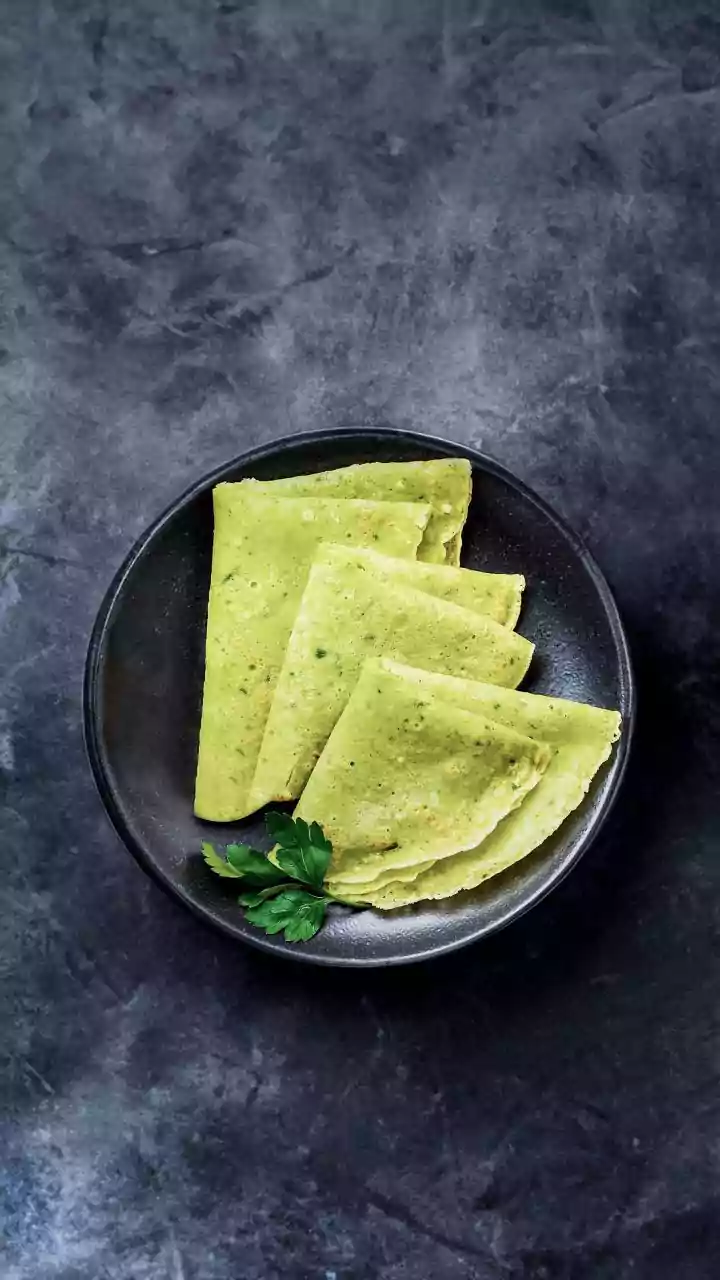
Cooking these crepes is straightforward. Heat a non-stick tava or griddle on medium-high heat. If using fermented batter, you can spread it in a circular motion like a traditional dosa. Drizzle a little oil or ghee around the edges and cook until the bottom is crisp and golden brown. For the instant, thinner batter, pour a ladleful onto the hot tava starting from the outside and working your way in. This will create a lacy, net-like crepe similar to a rava dosa. Let it cook until crisp, which might take a few minutes. Unlike thicker pancakes, these savoury crepes are typically not flipped. Once cooked, fold it in half and serve hot. The key is a properly heated pan to ensure the crepes don't stick and cook evenly.
Serving Suggestions and Variations
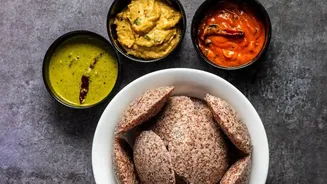
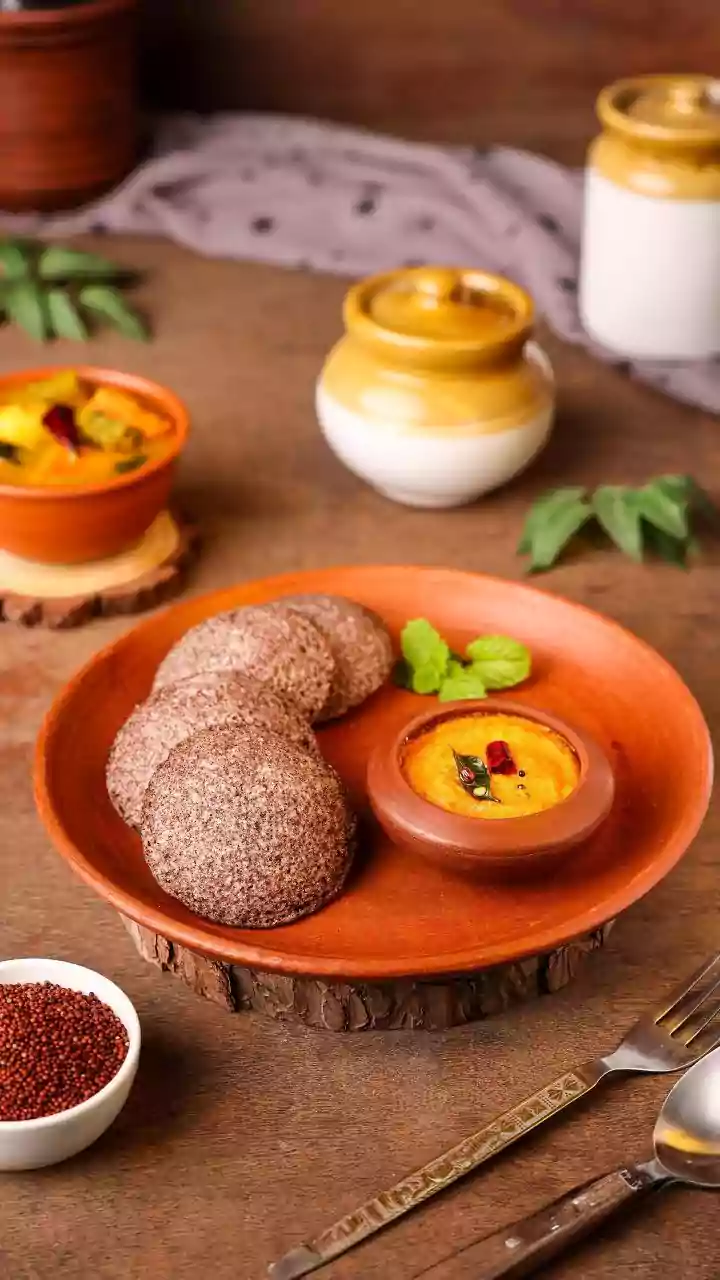
Savoury ragi crepes are incredibly versatile and can be enjoyed with a variety of accompaniments. They pair wonderfully with classic South Indian sides like coconut chutney, tomato chutney, or a warm bowl of sambar. For a simple and quick meal, even a dollop of plain yoghurt or a sprinkle of pickle will suffice. You can also get creative with the batter itself. Add finely grated vegetables like carrots, zucchini, or chopped spinach to the mix for an extra boost of nutrients and flavour. Spices like cumin seeds, crushed black pepper, or ajwain (carom seeds) can also be added to the batter to enhance its taste. These crepes can even be used as a wrap, filled with paneer, spiced potatoes, or a mix of stir-fried vegetables for a more substantial meal.