







The Rise of the Quick Flick
The explosion of short-form video is impossible to ignore. Platforms like Instagram Reels and YouTube Shorts have fundamentally altered India's content diet. With a staggering 97% of Indian consumers reportedly watching short-form videos daily, this format
is no longer a niche but a mainstream phenomenon. The appeal is rooted in its accessibility and immediacy; it's entertainment that fits into the 'in-between' moments of life. Whether waiting for a cab or taking a quick break, a seemingly infinite scroll of content offers instant gratification. This habit is particularly strong among younger audiences, who value quick, engaging, and culturally relevant clips. This surge is fueled by a creator economy where anyone can potentially go viral, leading to a constant stream of fresh, diverse, and hyper-local content that keeps viewers hooked.
The Enduring Allure of Binge-Watching
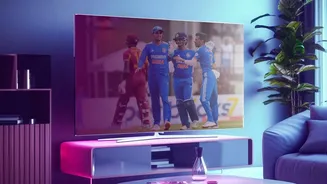
At the other end of the spectrum is the deep, immersive world of long-form content. Despite the dominance of quick clips, Indians are also dedicating significant time to binge-watching web series and movies on over-the-top (OTT) platforms. The availability of entire seasons at once has cultivated a culture of marathon viewing sessions. This habit caters to a different need: a desire for high-quality storytelling, complex narratives, and cinematic escapism. Reports indicate that Indians spend a significant portion of their screen time on OTT platforms, with consumption growing steadily. This trend has prompted streaming giants to invest heavily in Indian original content, from crime dramas to family comedies, finding a dedicated audience willing to invest hours in a good story.
The Engine Behind the Habit: Data and Devices
This dual consumption pattern is powered by two key factors: affordable smartphones and some of the world's cheapest mobile data. Widespread smartphone penetration, reaching even rural parts of the country, has put a screen in nearly every hand. The 'data price war' of the last decade made internet access affordable for hundreds of millions, transforming video from a luxury to an everyday utility. With the rollout of 5G, this trend is only set to accelerate, enabling smoother streaming of high-definition content, whether it's a 30-second reel or a feature-length film. This technological foundation allows users to seamlessly switch between different video formats based on their context and mood without worrying about cost or connectivity.
A Flexible Audience, Not a Divided One
So, what does this paradox of watching both fleeting clips and sprawling sagas say about the Indian viewer? It suggests an audience that is not confused, but rather, highly adaptable. The choice of content is situational. Short-form videos serve the need for quick entertainment and staying on top of trends during fragmented moments of the day. Long-form content, on the other hand, is appointment viewing, reserved for leisure time when deeper engagement is possible. This behaviour reflects a sophisticated consumer who uses different formats for different purposes: one for distraction and discovery, the other for immersion and emotional connection. It's a pragmatic approach to content consumption in a time-scare world.
What This Means for Creators and Brands
This dual habit presents both a challenge and an opportunity for content creators and marketers. A one-size-fits-all strategy is no longer effective. To capture the modern Indian viewer, a multi-format approach is essential. This could mean creating a 15-second teaser on Reels to generate buzz for a new web series, or using a detailed YouTube tutorial to complement a quick product demonstration on Shorts. Brands are learning that short videos can drive incredible engagement and brand recall, often more effectively than traditional ads. Ultimately, success in India's digital market requires understanding that the audience's attention isn't just short or long; it's flexible, and content must be designed to meet them where they are, whatever screen they're on.