





Turmeric (Haldi): The Golden Healer
This quintessential Indian spice is a powerhouse, especially during the monsoon. Turmeric's active compound, curcumin, has potent anti-inflammatory and antioxidant properties. It's known to be a natural immunity booster, helping the body fight off the common
infections that thrive in the damp weather. A daily dose, whether in your curries and dals or in a comforting glass of 'haldi doodh' before bed, can help strengthen your body's defences. For maximum benefit, always pair it with a pinch of black pepper, which significantly enhances curcumin absorption.
Ginger (Adrak): The Warming Digestive
Ginger is a staple in Indian kitchens for good reason. During the monsoon, when digestion can become sluggish, ginger acts as a warming agent that aids gut health and helps prevent bloating. It's also a go-to remedy for the season's common colds, coughs, and sore throats due to its anti-inflammatory and antimicrobial properties. Starting your day with a warm cup of ginger tea, or adding freshly grated ginger to your soups and meals, can keep you warm from the inside out and support your respiratory health.
Garlic (Lehsun): Nature's Antibiotic
Garlic is highly valued for its strong antiviral and antibacterial properties. The key is allicin, a compound released when garlic is crushed or chopped, which is known to boost the immune response of white blood cells. Including garlic in your daily cooking, from tadkas to vegetable stir-fries, can help your body combat viruses and protect against waterborne illnesses that become more prevalent during the monsoon. For a more potent effect, some health experts suggest consuming a crushed raw clove in the morning.
Black Pepper (Kali Mirch): The Digestive Spice
More than just a seasoning, black pepper plays a crucial role in monsoon wellness. It aids digestion and helps prevent issues like gas and indigestion, which are common when the digestive fire (agni) is weaker. Its anti-inflammatory and antioxidant properties also contribute to a stronger immune system. Beyond its well-known pairing with turmeric, freshly crushed black pepper can be added to soups, rasam, and even warm lemon water to clear congestion and warm the body.
Pulses & Lentils (Dal): The Pantry Powerhouse
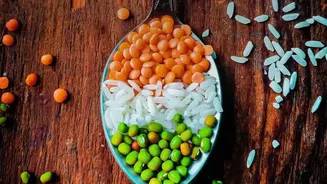
When fresh vegetable availability is uncertain or their quality is questionable, a well-stocked supply of dals is essential. Lentils like moong, masoor, and chana are excellent sources of plant-based protein and fibre. They form the base for countless easy-to-digest and nourishing meals, from simple dal-rice and comforting khichdi to hearty soups. Moong dal, in particular, is considered very light on the stomach, making it an ideal food for the season.
Gram Flour (Besan): The Versatile Snack-Maker
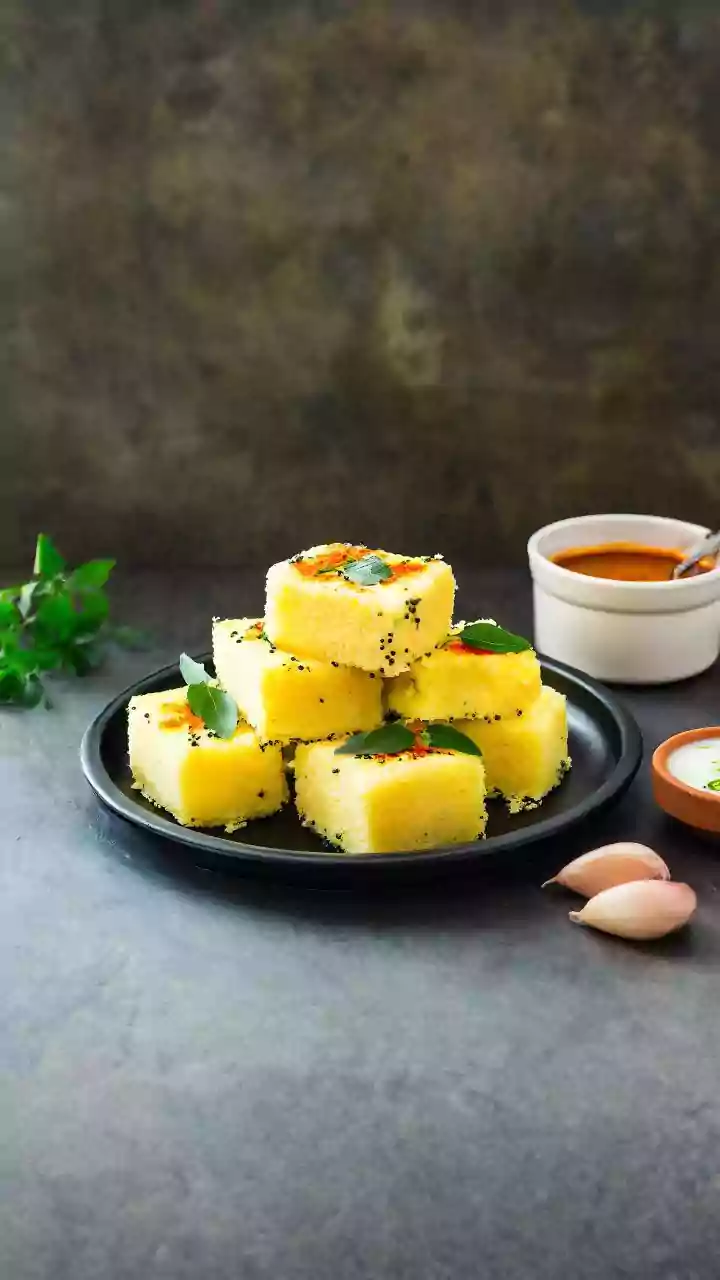
Monsoon evenings and cravings for hot, crispy snacks go hand-in-hand. Having gram flour on hand makes it easy to whip up homemade pakoras, cheelas, or dhoklas. Preparing these snacks at home is a safer alternative to street food, which carries a higher risk of food-borne illness during the rainy season. Besan is not just for snacks; it can also be used to make savoury pancakes or as a thickener for curries, making it a truly versatile monsoon ingredient.
Amla (Indian Gooseberry): The Vitamin C Shot
Amla is one of the richest natural sources of Vitamin C, a crucial nutrient for a robust immune system. Regular intake of Vitamin C helps in the production of white blood cells, which are the body's primary line of defence against infections. Since fresh amla is seasonal, keeping amla powder, juice, or murabba handy is a great way to ensure you get its benefits throughout the monsoon. It's particularly useful for strengthening immunity when the risk of infections is high.