
An Ancient Answer for Modern Gardens
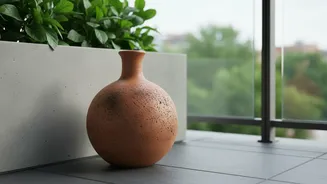
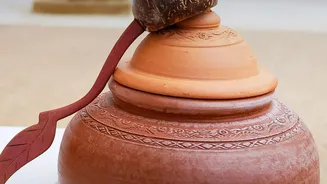
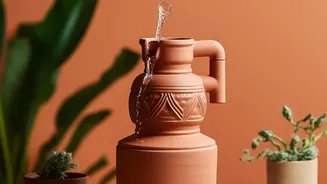
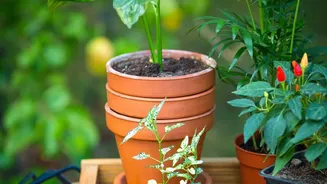
Meet the olla (pronounced 'oy-ya'), a simple, unglazed clay pot that has been used for irrigation for thousands of years across continents like Africa and Asia. In its most basic form, an olla is a terracotta vessel that you bury in the soil, leaving
only its neck exposed. You fill it with water, and through a bit of natural magic, it keeps your plants perfectly hydrated. This age-old technology is finding a new purpose in the unique environment of the modern balcony garden, offering a sustainable and surprisingly effective way to manage watering.
The Gentle Science of Slow Watering
The secret to the olla's success lies in its porous clay walls. Because the pot is unglazed, water can slowly seep through microscopic holes. This process is not a constant, uncontrolled leak; instead, it is regulated by the soil itself. When the soil around the olla is dry, soil moisture tension 'pulls' water out of the pot and into the root zone where plants need it most. Conversely, when the soil is already moist—after a rain shower, for instance—the pressure equalizes, and the water stays inside the olla. This creates a self-regulating system that provides a consistent level of moisture, preventing the stressful cycle of drought and flood that so often plagues container plants.
Why Ollas Excel on Balconies
Balcony and rooftop gardens present a hostile growing environment. They face intense sun, heat radiating from surfaces, and most critically, wind. Wind strips moisture from plant leaves and the soil surface, meaning containers can dry out with brutal speed, even when the air feels humid. Ollas are a powerful tool in this setting because they deliver water directly to the roots, bypassing surface evaporation almost entirely. Unlike surface watering, where much of the water can be lost to the air or run straight through the pot, an olla system ensures nearly 100 percent of the water is available to the plant. This not only conserves water but also encourages deeper, healthier root growth.
Tackling the Humid Dry Spell
The phrase "humid dry spell" perfectly captures those periods where, despite high atmospheric humidity, there's no rain, and container soil bakes in the sun. This is where an olla truly shines. The air's moisture content is irrelevant to the soil's actual water level. An olla works based on the soil's dryness, not the weather. It ensures that even when the air feels sticky, your plant's roots have access to a steady, underground water source. This prevents wilting and stress, leading to more resilient plants that can thrive even when the weather is inconsistent. It also helps keep the top layer of soil drier, which can discourage the growth of weeds.
Getting Started with Your Olla
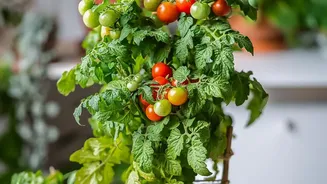
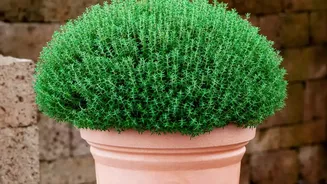
Using an olla is straightforward. For container gardening, choose a pot that is at least 20 litres or larger to accommodate both the olla and your plant's roots. When potting, place the empty olla first, burying it so the neck sits an inch or two above the soil line. Pack your potting mix firmly around it to ensure good contact between the clay and the soil—air gaps will prevent it from working. Plant your chosen herbs or vegetables around the olla. Fill the olla with water and place a stone or lid over the opening to prevent evaporation and keep debris out. You'll need to refill it every few days to a week, depending on the size of your pot, the weather, and your plant's needs.