

The Benefits of Going Vertical
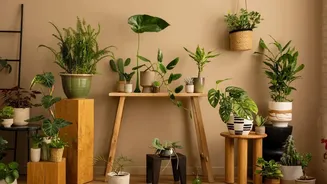
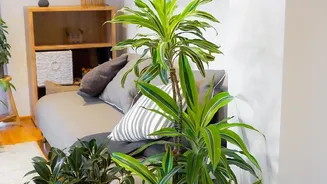
Utilising vertical space for plants is more than just a clever storage hack; it’s a design strategy. Elevating your greenery draws the eye upward, making rooms feel taller and more dynamic. It creates a 'living art' effect that can transform a blank wall
into a stunning focal point. Beyond aesthetics, it can also be healthier for your plants. Raising them off the ground improves air circulation, which helps prevent fungal issues and pests. For city dwellers and those in smaller apartments, it’s the most efficient way to maximise your plant collection without sacrificing precious living area.
Classic and Chic: Hanging Planters
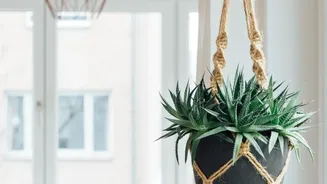
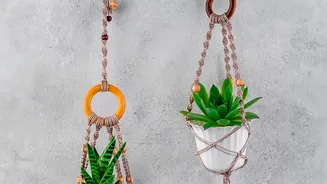
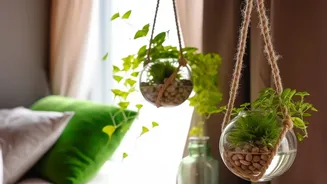
The most timeless way to go vertical is with hanging planters. Suspended from ceiling hooks or wall brackets, these planters are perfect for showcasing plants with trailing or vining habits. Macramé hangers offer a bohemian touch, while minimalist metal or ceramic pots create a modern feel. These are ideal for brightening up corners, framing windows, or adding life above furniture. The key is to choose plants that cascade gracefully. Pothos and Heartleaf Philodendrons are famously easy-going and will quickly produce long, elegant vines. For something more unique, consider a String of Pearls, String of Dolphins, or the lush Burro's Tail.
Create a Green Gallery with Shelving
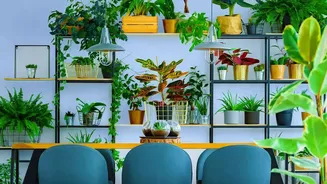
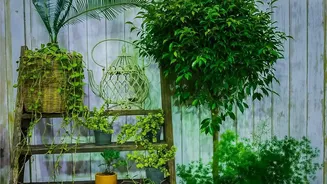
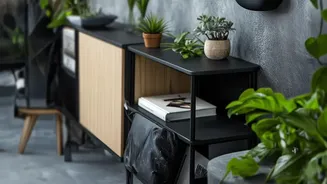
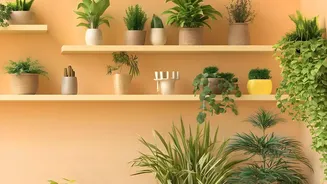
Wall-mounted shelves offer incredible versatility for a vertical plant display. Floating shelves, picture ledges, and even repurposed ladders can become multi-level stages for your green companions. This approach allows you to mix and match different plant sizes, shapes, and pot styles to create a curated gallery wall. You can place taller, upright plants like Snake Plants or ZZ Plants alongside trailing varieties to add depth and texture. Arranging plants on shelves makes them easy to swap and rearrange as your collection grows or the seasons change.
The Living Wall Effect: Pocket and Modular Planters
For a high-impact statement, nothing beats a living wall. While professional installations can be complex, you can achieve a similar effect with simpler systems. Fabric pocket planters are a great starting point for beginners; you simply hang the fabric organiser on the wall and place individual plants in each pocket. Modular wall planters, which often click together, allow you to create a customised green wall of any size. These are excellent for growing a collection of herbs in a kitchen or a tapestry of foliage in a living room. Just be mindful of a water-resistant barrier to protect your wall.
Choosing the Right Plants for the Job
Not all plants are suited for vertical living. The best options are often those that trail, climb, or have a compact growth habit. For hanging baskets and high shelves, trailing plants are a must. Pothos, Heartleaf Philodendron, English Ivy, and Spider Plants are famously resilient and look fantastic as their foliage spills over the pot. For wall pockets or mounted planters, consider ferns like the Bird's Nest Fern, which enjoys good air circulation. Succulents can also work well in wall-mounted trays due to their slow growth and low water needs. Always group plants with similar light and water requirements together to simplify care.
Essential Care for Vertical Gardens
Caring for vertical plants requires a few adjustments. Watering can be tricky; for hanging plants, it’s often easiest to take them down and water them in the sink. For wall planters, water from the top down, allowing excess to drain to the lower levels, but be careful not to overwater the bottom plants. Since light is often uneven, rotating your plants every few weeks ensures all sides get some sun. Plants on upper tiers will typically get more light, so place sun-lovers there. Finally, remember that hanging baskets tend to dry out faster than pots on a surface because air circulates all around them, so check the soil regularly.