


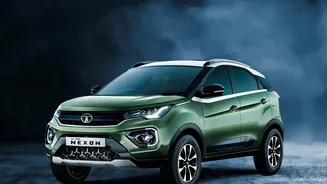

The Details: What Is the Price Hike?
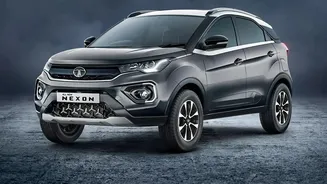
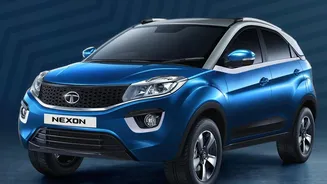
Tata Motors Passenger Vehicles (TMPV) will increase prices across its entire portfolio by up to ₹25,000, effective September 1, 2026. This increase applies to all passenger vehicles, including those with internal combustion engines (ICE) like petrol and
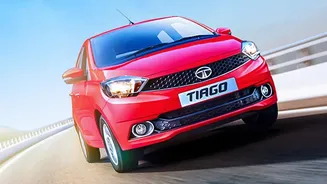
diesel cars, as well as the company's popular range of electric vehicles (EVs). It's important to note that this is not a flat ₹25,000 increase on every car. The company has stated the hike will vary depending on the specific model and variant. This typically means that entry-level models like the Tiago might see a smaller price adjustment in rupee terms, while more premium SUVs like the Safari and Harrier could face a larger increase.
Why Is This Happening Now?
The primary reason cited by Tata Motors for this price revision is the need to partially offset rising input costs and sustained inflationary pressures. Automakers deal with fluctuating prices for raw materials like steel and aluminium, as well as the costs of electronic components. When these costs rise significantly over time, manufacturers often pass a portion of that increase on to the customer. Tata Motors has stated that it continues to absorb a significant portion of these higher costs itself, but a partial revision has become necessary. This isn't a phenomenon unique to Tata; other major carmakers in India, including Maruti Suzuki and Hyundai, have also announced multiple price hikes in 2026 for the same reasons.
A Pattern of Price Revisions
This latest announcement marks the third time Tata Motors has increased its passenger vehicle prices in 2026. The company previously implemented a hike of up to 1.5% on July 1 and an average increase of 0.5% on its ICE portfolio from April 1. This pattern of periodic, smaller price adjustments has become common across the Indian auto industry as companies navigate a challenging cost environment. Factors like geopolitical uncertainties and macroeconomic conditions also contribute to the pressures on manufacturing and operational expenses, prompting these revisions.
What This Means for Your Car-Buying Decision
For anyone planning to purchase a Tata car, the key takeaway is that vehicles will become more expensive from September onwards. The increase of 'up to ₹25,000' means the final on-road price will be higher than current rates. If you are close to finalising a purchase, completing the booking and billing before September 1 could allow you to lock in the current, lower price, provided the dealer has available stock. However, since the exact variant-wise price details are usually shared with dealers closer to the effective date, you should contact your local showroom for precise figures on the model you are interested in. This will give you the clearest picture of how much more you will need to spend.
Should You Buy Now or Wait?
The decision to buy now or wait depends on your personal timeline and budget. If you have already decided on a specific Tata model and have the finances in place, purchasing before September 1 is the most straightforward way to save money and avoid the price hike. Waiting could mean paying several thousand rupees more for the same vehicle. On the other hand, the upcoming festive season often brings special offers, discounts, or attractive financing schemes from dealerships. While these offers might offset some of the price hike, they are not guaranteed. The trend of rising input costs suggests that prices are more likely to continue a gradual upward climb rather than decrease in the near future. Therefore, waiting for a potential price drop is a risky strategy in the current market.