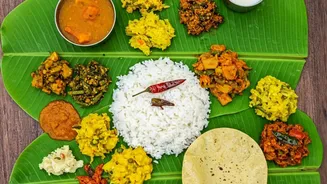




Vazhaithandu Poriyal (Banana Stem Stir-fry)
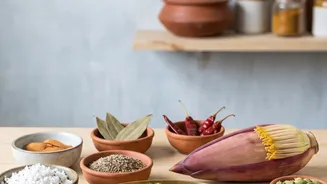
In South India, no part of the banana plant goes to waste. While the fruit is cherished, the fibrous inner stem, or 'vazhaithandu', is a culinary gem in its own right. Often discarded, the crunchy, nutrient-packed stem is finely chopped and transformed
into a delicious stir-fry (poriyal). To prepare it, the stem's outer layers are peeled away to reveal the tender core, which is then sliced and soaked in buttermilk-infused water to prevent browning. Sautéed with mustard seeds, urad dal, curry leaves, and fresh coconut, this dish is a testament to the ingenuity of using every single part of a plant.
Peerkangai Thol Thogayal (Ridge Gourd Peel Chutney)
Why throw away the peels when you can make a chutney? That's the philosophy behind this zesty condiment from Tamil Nadu. The ridged skin of the 'peerkangai' (ridge gourd), which most people would compost, is instead sautéed with lentils, chillies, garlic, and tamarind. Once cooked down and fragrant, the mixture is ground into a thick, coarse paste known as a 'thogayal'. Often mixed with hot rice and a dollop of ghee or sesame oil, this chutney is a perfect example of zero-waste cooking, turning potential food scraps into a flavour-packed and nutritious side dish.
Palakottai Poriyal (Jackfruit Seed Curry)
After enjoying the sweet flesh of a jackfruit, the seeds ('palakottai') are often left behind. But in many Indian homes, these are the stars of their own dish. The seeds, which have a texture similar to chestnuts when cooked, are boiled until tender, peeled, and then stir-fried or made into a curry. A simple poriyal involves sautéing the boiled and chopped seeds with onions, garlic, and a blend of classic South Indian spices like mustard seeds, curry leaves, and turmeric. This humble curry transforms an overlooked byproduct into a protein-rich and flavourful dish.
Lauki Ke Kofte (Bottle Gourd Dumplings)
Bottle gourd, or 'lauki', has a reputation for being bland, but this dish proves otherwise. Originating from Mughlai culinary concepts where minced meat was shaped into balls, the vegetarian 'kofta' was born. Here, grated lauki is mixed with gram flour and spices, shaped into balls, and deep-fried until golden. These soft, savoury dumplings are then simmered in a rich, tangy tomato and onion gravy. The humble gourd absorbs the vibrant flavours of the curry, resulting in a melt-in-your-mouth texture that elevates it from a simple vegetable to the centrepiece of a celebratory meal.
Kulith Dal (Horse Gram Lentil Soup)
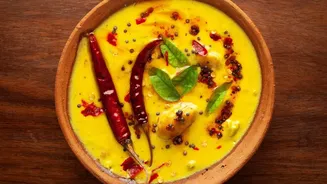
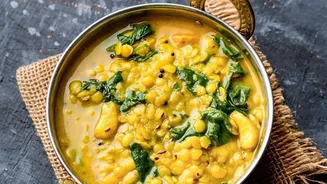
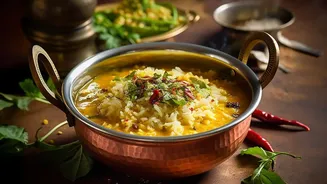
Known as 'kulith' in Hindi and Marathi or 'kollu' in Tamil, horse gram is a hardy, nutrient-dense lentil that has been a staple in rural India for centuries. Often considered 'poor man's food', this underappreciated superfood packs a powerful, earthy flavour. To prepare it, the lentils are typically soaked overnight and pressure-cooked until tender. The resulting dal is often tempered with traditional South Indian spices, coconut, and garlic, creating a dish that is both rustic and deeply comforting. It's a reminder that some of the most nourishing foods are also the most humble.
Pathrode (Colocasia Leaf Rolls)
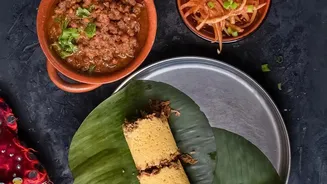
Colocasia leaves, also known as taro leaves or 'arbi ke patte', are the star of this coastal Karnataka delicacy. While some varieties can cause irritation if not prepared correctly, the right kind of leaves become the perfect vessel for a spicy, tangy paste made from rice flour, coconut, jaggery, and tamarind. The paste is smeared onto the back of the leaves, which are then stacked, rolled into tight logs, and steamed. The cooked rolls are sliced and can be eaten as is or shallow-fried until crisp. This intricate dish showcases a unique ingredient that requires skill and patience to perfect.
Murungai Keerai Poriyal (Moringa Leaf Stir-fry)
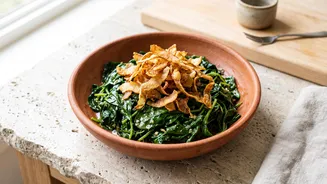
While moringa drumsticks are a common ingredient in sambar, the highly nutritious leaves ('murungai keerai') are often overlooked. Considered a superfood, these tiny leaves are packed with vitamins and minerals. In South India, they are frequently prepared as a simple stir-fry. The leaves are separated from their stems, washed, and then sautéed with onions, garlic, and spices. Often finished with a generous amount of grated coconut, this poriyal transforms the slightly bitter leaves into a delicious and incredibly healthy side dish that pairs perfectly with rice.
Tinda Masala (Apple Gourd Curry)
Tinda, also known as apple gourd or Indian round melon, is a small, humble vegetable popular in Northern India and Pakistan. Often dismissed by picky eaters, this gourd shines when cooked in a flavourful masala. In a typical Punjabi preparation, the tinda is peeled and stir-fried with cumin seeds, then simmered in a fragrant gravy of onions, tomatoes, and aromatic spices like coriander and garam masala. The soft, cooked tinda absorbs all the spicy and tangy notes of the curry, making it a comforting and satisfying dish best served with hot rotis.