


Two Men, One Overlapping Mission
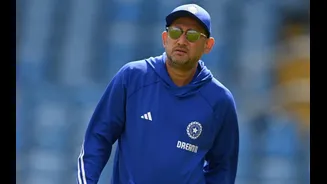
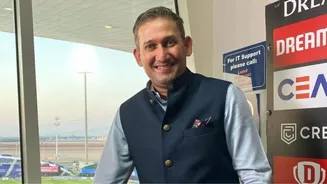
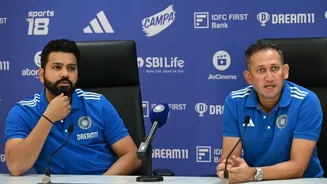
At the heart of the reported friction are the distinct yet overlapping responsibilities of the two cricketing giants. As the Chairman of the Selection Committee, Ajit Agarkar is tasked with picking the best possible Indian teams for present and future
series. His focus is on immediate results and building a squad for the next big tournament. VVS Laxman, as the head of the BCCI's Centre of Excellence (formerly the National Cricket Academy), is responsible for the long-term development of talent. He oversees player rehabilitation, fitness, and the grooming of the next generation through India 'A' tours. While one man manages the final product, the other runs the supply chain. This structural design, where the selector needs players that the academy head manages, creates a natural ground for potential conflict if priorities are not perfectly aligned.
The Tug-of-War Over Players
According to multiple media reports, a significant source of disagreement stemmed from policy decisions concerning player availability. One major point of contention was the management of injured players. The selection committee needs clear timelines on when a player will be match-fit, while the Centre of Excellence (CoE) prioritises a thorough and often cautious rehabilitation process. This can lead to friction over how quickly a player is returned to the national setup. Furthermore, the scheduling of India 'A' games reportedly became a flashpoint. Clashes between these tours and domestic competitions like the Irani Cup, or even senior team white-ball series, created a tug-of-war for talent and complicated the selection process. Reports also suggested Laxman was unhappy when the CoE was held responsible for issues he felt were beyond its control.
A Fundamental Difference in Philosophy
Beyond logistical issues, reports point to a more fundamental clash of philosophies. This was starkly highlighted during the selection for the Asian Games. Agarkar reportedly viewed the tournament as a chance to test young, emerging talent, consistent with its status as a tier-two cricket event. However, Laxman, known for an intense desire to win every competition, allegedly wanted the strongest possible squad to secure a gold medal. This 'win-at-all-costs' approach, as described by a source in one report, can directly conflict with a selector's mandate to build bench strength and give peripheral players crucial international exposure. This difference in outlook—development versus guaranteed victory—appears to be a core element of their contrasting viewpoints.
A Communication Breakdown
The clearest sign of a strained relationship came when Agarkar did not attend a crucial BCCI review meeting in Mumbai held to discuss India's performance in the England series and plan for the future. While a BCCI official stated he was unavailable, his absence was widely interpreted as a symptom of the growing rift. Some reports went further, quoting sources who called his absence a “blessing in disguise,” suggesting it prevented a potential “war of words” with Laxman over the functioning of the CoE. Such a situation points to a communication breakdown where key stakeholders are unable to convene and align on strategy, allowing disagreements to fester.
The Bigger Picture of Board Politics
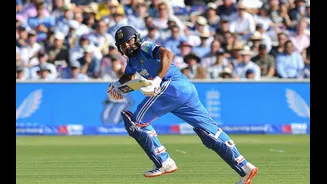
The Agarkar-Laxman dynamic did not exist in a vacuum. Agarkar's tenure was also marked by a significant disagreement with the BCCI leadership over the white-ball future of former captain Rohit Sharma. The selection committee had reportedly decided to move on from Rohit in ODIs, a decision that was allegedly overturned by the board, which then issued a statement backing the senior player. This episode reportedly left Agarkar feeling his authority had been undermined. In an environment where the chief selector's power is already being challenged, navigating institutional disagreements with another powerful figure like the head of the CoE becomes significantly more difficult, likely amplifying any existing friction.