





What Is Geoengineering?
Geoengineering refers to deliberate, large-scale interventions in the Earth's climate system to counteract climate change. The proposals generally fall into two main categories. The first is Carbon Dioxide Removal (CDR), which involves methods to pull
CO2 directly from the atmosphere. Think of it like a planetary-scale cleanup, using techniques such as planting vast new forests or building large machines that act like "artificial trees" to capture carbon. The second, and more controversial, category is Solar Radiation Management (SRM). This approach doesn't remove greenhouse gases but aims to cool the planet by reflecting a small portion of sunlight back into space, essentially creating a planetary sunshade. Proposed methods include injecting reflective aerosol particles into the stratosphere or brightening clouds over the ocean to make them more reflective.
The Promise of a Quick Fix
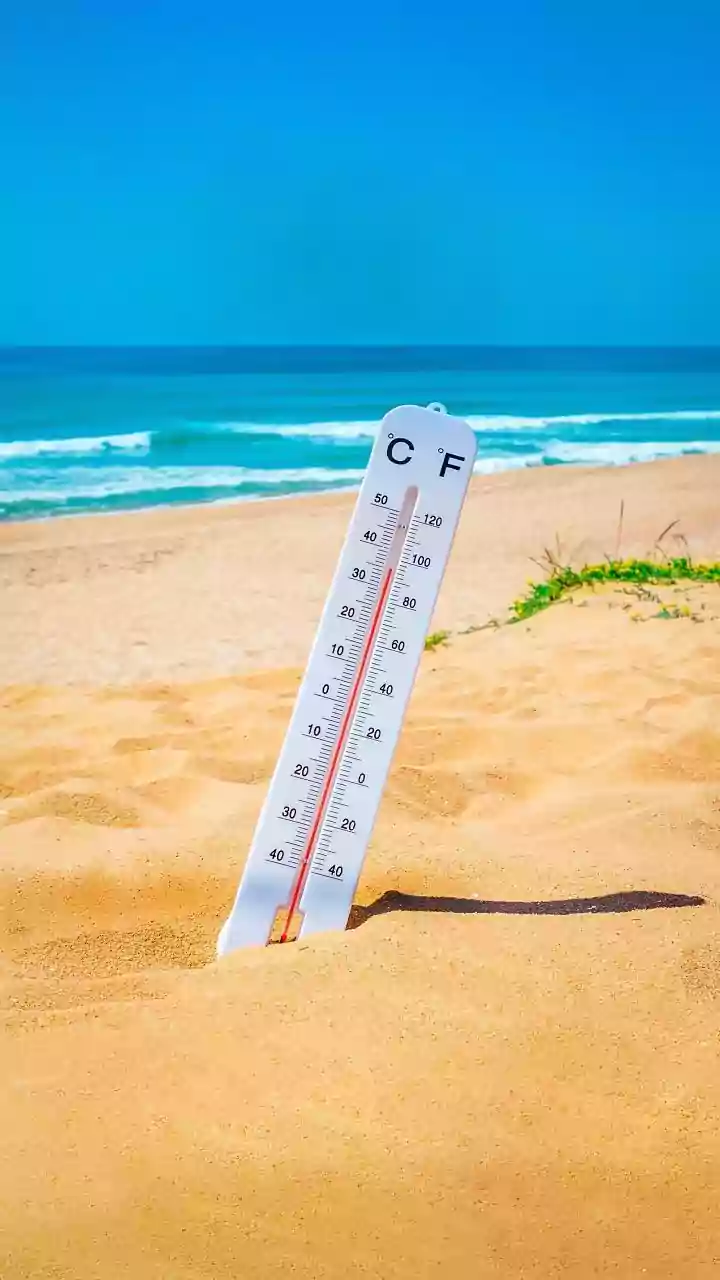
The appeal of geoengineering is rooted in a grim reality: global efforts to reduce greenhouse gas emissions have been insufficient. As temperatures continue to rise, some see these technological interventions as a potential emergency measure to buy more time or even reverse some of the warming. Proponents of Solar Radiation Management, for example, argue it could be deployed relatively quickly and cheaply compared to the multitrillion-dollar cost of a complete transition away from fossil fuels. The idea is to temporarily mask the symptoms of climate change—rising temperatures—while the world gets its act together on cutting emissions. However, many scientists stress that these technologies should only ever complement emissions cuts, never replace them, as they do not address the root cause of the problem.
Solar Management: A Deal with the Devil?
Solar Radiation Management is where the most significant risks lie. The most studied method, stratospheric aerosol injection, would mimic a large volcanic eruption by spewing particles like sulfur dioxide into the upper atmosphere to block sunlight. While models suggest this could lower global temperatures, the potential side effects are alarming. Scientists warn it could drastically alter global weather patterns, potentially causing severe droughts in regions like Africa and Asia while increasing the ferocity of hurricanes in the North Atlantic. It could also damage the ozone layer and would do nothing to stop ocean acidification, a major threat to marine life caused by excess CO2. Furthermore, the sky could become permanently hazy, reducing the output of solar power panels and affecting plant photosynthesis.
The Danger of 'Termination Shock'
Perhaps the most cinematic risk of solar geoengineering is the “termination shock.” Because SRM only masks warming without removing CO2, it would need to be continuously maintained, potentially for centuries. If a program were ever stopped abruptly—due to political conflict, economic collapse, or a natural disaster—the masked warming would return with terrifying speed. Global temperatures could rebound by several degrees within a decade or two, a rate of change far faster than what we are experiencing now. Ecosystems and human societies would have little to no time to adapt, leading to potentially devastating consequences for wildlife and agriculture.
Carbon Removal: Safer, but No Silver Bullet
Carbon Dioxide Removal (CDR) is often seen as the less risky of the two approaches because it directly addresses the cause of warming: excess CO2 in the atmosphere. However, 'less risky' does not mean 'without risk.' Many proposed CDR techniques would need to be deployed on an enormous scale to be effective, which comes with its own set of problems. For example, planting enough trees or biomass crops to make a difference could compete with agriculture for land and water, threatening food security and biodiversity. Some ocean-based methods, like fertilizing the sea with iron to stimulate plankton blooms, could disrupt marine ecosystems and create vast oxygen-depleted “dead zones.” Furthermore, many technologies like Direct Air Capture are currently prohibitively expensive and energy-intensive.
A Geopolitical Powder Keg
Beyond the environmental risks, geoengineering opens a Pandora's box of social and political challenges. Who gets to control the Earth's thermostat? A unilateral deployment by a single country or a wealthy individual could have disastrous ripple effects across the globe, potentially benefiting one region at the expense of another and leading to international conflict. There is currently no international framework to govern the research or deployment of these technologies, creating a high-risk environment for what experts call “rogue deployment.” This lack of governance, combined with the profound ethical questions about humanity's right to deliberately manipulate the global climate, has led many scientists and governance bodies to call for an international moratorium on large-scale experiments.