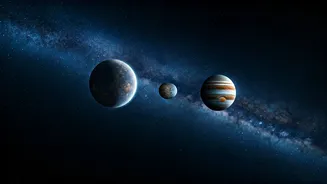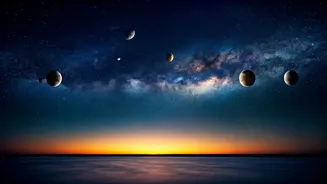



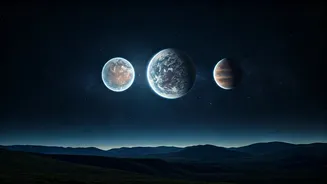


What is a 'Planet Parade'?
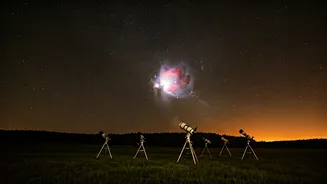
Across India, from rooftops in Mumbai to open fields outside Bengaluru, amateur astronomy clubs are setting up their equipment. The cause for excitement is a celestial event often dubbed a 'planet parade' or 'planetary alignment'. While the term might
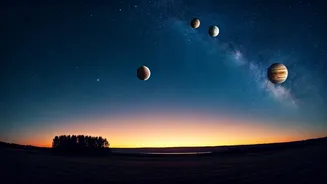
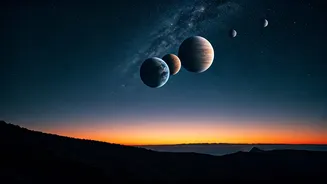
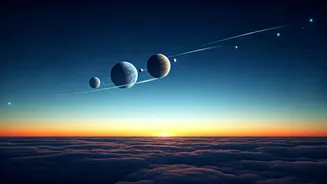
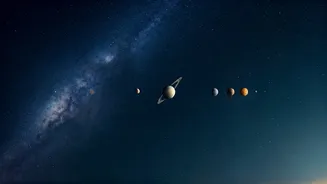
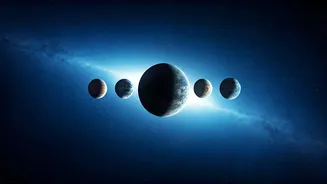
conjure images of planets forming a perfectly straight line in space, the reality is a matter of perspective. From our vantage point on Earth, several planets will appear to cluster together in the same small section of the sky. This evening's gathering is particularly noteworthy because it involves multiple bright planets visible shortly after sunset. These alignments aren't 'historic' in a once-in-a-millennium sense, but they are infrequent and beautiful spectacles that remind us of the dynamic, ever-moving nature of our solar system. For a few precious hours, the orbits of our planetary neighbours sync up to create a stunning, temporary celestial string of pearls.
The View from India's Stargazers
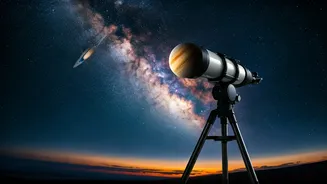
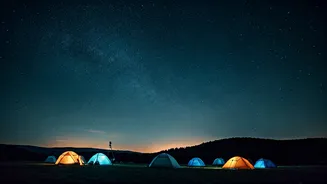
For members of groups like the Bangalore Astronomical Society or the Amateur Astronomers Association Delhi, nights like these are the highlight of their calendar. These are not professional scientists, but teachers, software engineers, students, and retirees united by a shared passion for the cosmos. They spend hours preparing, checking weather forecasts, and coordinating viewing spots away from city light pollution. Their mission is twofold: to witness the event for themselves and to share that wonder with the public. Many clubs host public viewing sessions, offering glimpses through their powerful telescopes and patiently explaining what people are seeing. Their excitement is infectious. They speak of the 'humbling feeling' of seeing Saturn’s rings or Jupiter’s moons with their own eyes. For them, this isn't just about ticking off planets on a list; it's about connecting with the universe on a personal level.
How to See the Planets Tonight
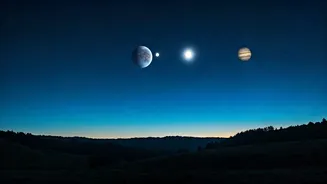
You don’t need to be part of a club to enjoy the show. The key is knowing when and where to look. The best viewing window begins about 30 to 45 minutes after sunset. Find a spot with an unobstructed view of the western horizon—the direction where the sun went down. The lower the horizon, the better, as some planets may appear close to it. Give your eyes at least 15 minutes to adjust to the darkness; avoid looking at your phone screen. The planets will not twinkle as intensely as stars do. Instead, they will shine with a steady, bright light. The brightest objects you see clustered in that part of the sky, likely Venus and Jupiter, will be your primary targets. They will be unmistakable beacons, far outshining any surrounding stars. Depending on the specific alignment, you may also be able to spot Mars with its faint reddish hue and Saturn appearing as a steady, yellowish point of light.
Your Essential (and Simple) Toolkit
The single most important tool you have is your own eyes. The brightest planets are easily visible without any aid. However, to enhance your experience, a simple pair of binoculars can work wonders. Even a standard 7x50 or 10x50 pair will reveal more detail, potentially showing you the tiny specks of Jupiter’s Galilean moons orbiting the giant planet. For a more tech-savvy approach, several free smartphone apps can act as your personal guide. Apps like Stellarium, SkyView, or Star Walk use your phone's GPS and compass to create an augmented-reality map of the sky. Just point your phone at the sky, and the app will identify the planets, stars, and constellations you're looking at. This can be incredibly helpful for confirming that the bright dot you see is indeed Jupiter and not just a passing airplane.