



A World Without Weather
On Earth, our history is constantly being erased and rewritten by the elements. Wind scours stone, rain washes away tracks, and plants reclaim abandoned structures. This relentless cycle is driven by our planet’s atmosphere—a thick, dynamic blanket of
gases that creates pressure systems, weather, and wind. The Moon has no such luxury. Its atmosphere is so thin it’s technically considered an 'exosphere,' a near-perfect vacuum with particles so spread out they rarely collide. Without a dense atmosphere, there is no air pressure, no weather systems, and absolutely no wind. Nothing stirs. A flag planted by an astronaut might eventually bleach under solar radiation, but it will never flutter in a breeze.
The Footprints in the Dust
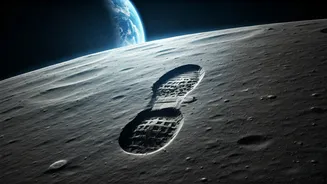
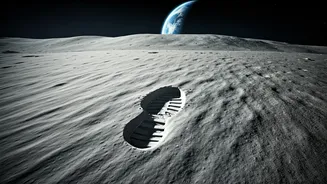
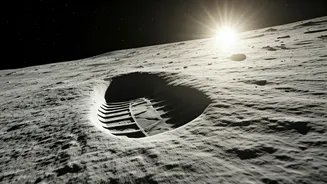
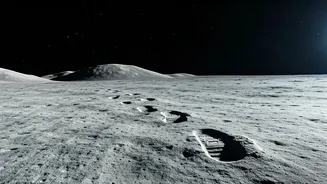
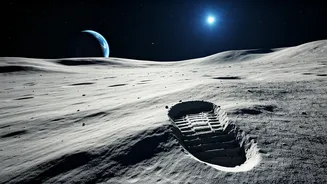
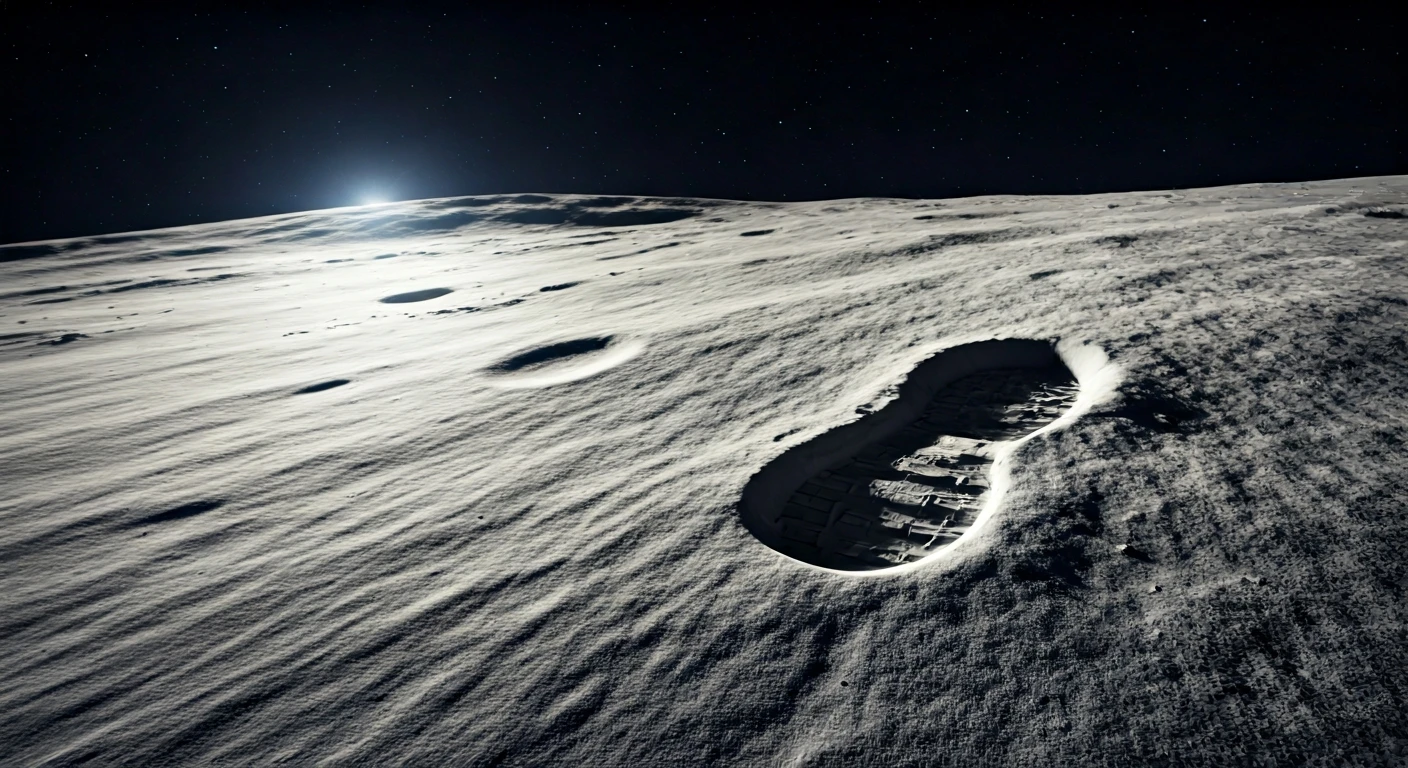
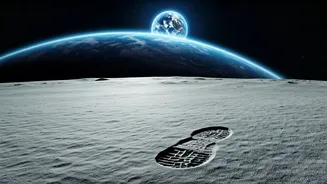
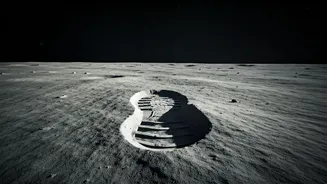
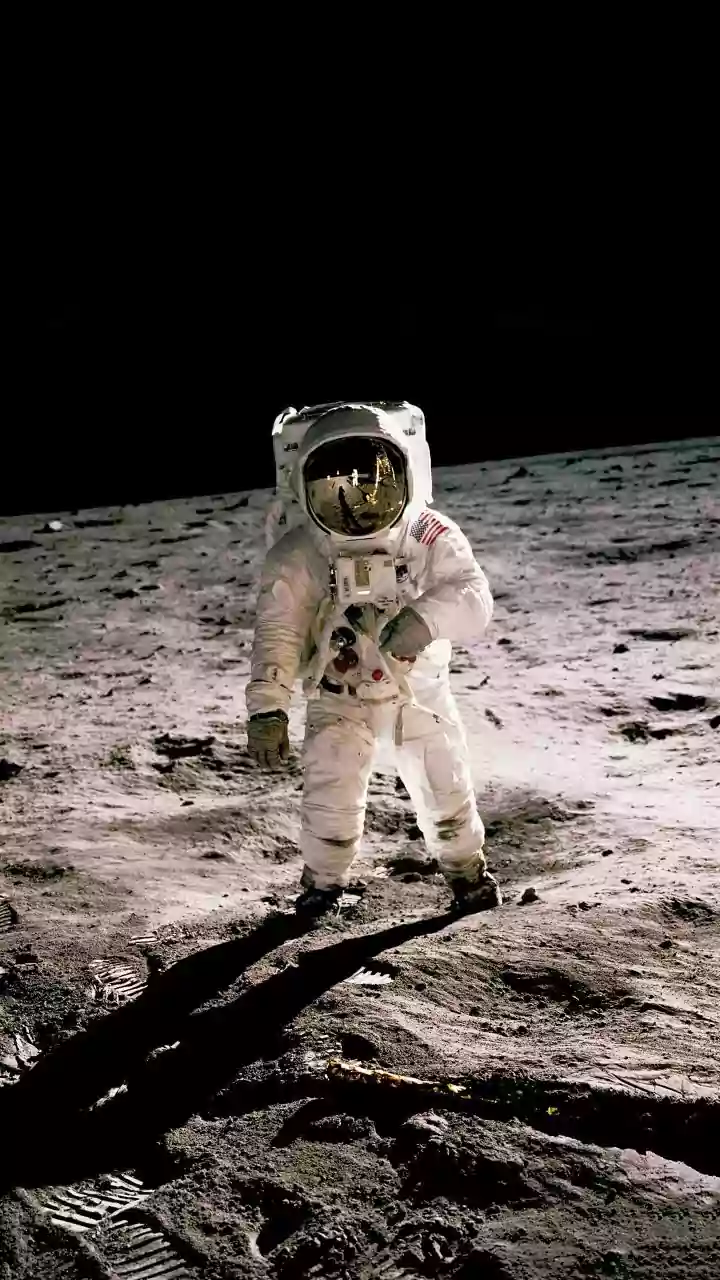
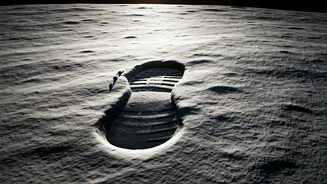
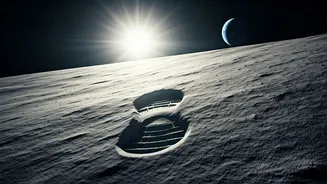
The lunar surface is covered in a material called regolith. It’s not soft, gentle sand like you’d find on a beach in Goa. It’s a blanket of fine, sharp, and abrasive dust and rock fragments, pulverised over billions of years by a constant barrage of micrometeorites. When Apollo astronauts like Neil Armstrong and Buzz Aldrin stepped onto this surface, their boots compacted this fine-grained material. Because there's no wind to blow the dust around and no water to turn it into mud, the impressions they left are remarkably stable. The regolith particles are jagged and lock together when compressed, holding the shape of the boot tread with incredible fidelity. These aren't just shallow marks; they are crisp, three-dimensional records of a human presence.
An Accidental Time Capsule
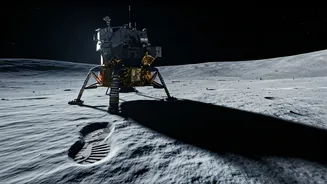
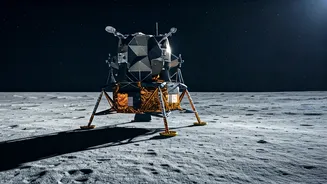
The six Apollo missions that landed on the Moon between 1969 and 1972 left behind more than just footprints. To save weight for the return journey with precious lunar rock samples, the astronauts abandoned a treasure trove of equipment. Today, the lunar surface is dotted with nearly 100 artifacts, including the descent stages of the lunar modules, three Lunar Roving Vehicles (rovers), scientific instruments, tools, cameras, and even personal items like a family photograph left by astronaut Charles Duke. Each item remains exactly where it was left, undisturbed by anything other than the occasional cosmic ray. The rover tracks carve paths across the landscape, telling the story of each mission's exploration route. The Moon has, in effect, become a pristine, open-air museum of humanity's first steps into the cosmos.
Not Forever, But Nearly
While the lack of wind ensures these sites remain frozen in time on a human timescale, they aren't eternal. The same force that created the regolith—micrometeorite bombardment—is also the primary force of erosion on the Moon. These tiny, sand-grain-sized particles constantly rain down on the surface at incredible speeds. This process is exceptionally slow, like a celestial sandblaster working at a glacial pace. Scientists estimate it would take millions of years for this 'gardening' effect to erase the Apollo footprints. In addition to micrometeorites, the constant stream of charged particles from the sun, known as the solar wind, also contributes to a very slow degradation of materials. So, while not literally forever, these historical markers will outlast every monument on Earth, preserved in the silent, still vacuum.