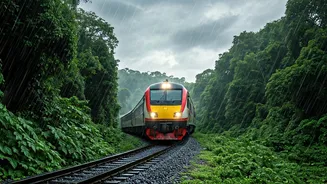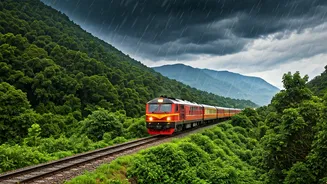




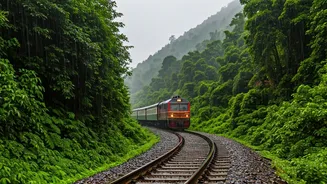




Plan, Track, and Stay Informed
Spontaneity is exciting, but monsoon travel rewards the planner. Before booking, check the historical vulnerability of your chosen route to disruptions like waterlogging or landslides. Recent heavy rains have caused significant cancellations and delays,
particularly on routes around Mumbai and in the Ghat sections. Use the Indian Railways' official website or apps to check your train's status frequently, especially on the day of travel. Many railway zones, like the Konkan Railway, implement a special monsoon timetable from mid-June to October, which alters schedules and can add hours to a journey to ensure safety. Familiarize yourself with this schedule. It's also wise to download a reliable weather app and monitor forecasts for both your origin and destination. Having a backup plan, like knowing alternative train or bus routes, can turn a potential disaster into a minor detour.
Pack Smart for a Monsoon Journey
Your packing list needs a monsoon-specific upgrade. Waterproofing is your top priority. Invest in a good waterproof backpack or a rain cover for your existing luggage. Inside, use plastic bags or Ziploc pouches to protect electronics, documents, and clothes. Pack synthetic, quick-drying clothes instead of cotton. Carry an extra set of clothes in your hand luggage in case your main bag gets wet or delayed. A sturdy pair of shoes with a good grip is essential for slippery station platforms. Also, include a basic first-aid kit with medications for common ailments, a hand sanitizer, and any personal prescriptions. With frequent delays possible, a fully charged power bank, snacks, and a bottle of water are non-negotiable essentials.
Navigating the Day of Travel
On your travel day, expect the unexpected and build in buffer time. Trains may run at restricted speeds in sections with heavy rain or waterlogging, leading to cascading delays. Listen carefully to station announcements and stay updated via your phone. Platforms can be wet and crowded, so stay behind the safety line and be mindful of your footing. Avoid the temptation to stand near open doors, especially when the train is moving; the combination of a slippery floor and sudden jerks can be dangerous. If your train is significantly delayed or stranded, follow the instructions of railway staff. In some cases, authorities arrange for alternative transport like buses for stranded passengers. Patience is key; safety is the reason for these precautions.
Railways on High Alert
While disruptions are frustrating, it's reassuring to know that Indian Railways undertakes extensive monsoon preparations. Various zones, including Konkan and South Western Railway, deploy hundreds of patrolmen to monitor vulnerable tracks 24/7. They inspect bridges, clean drains, and use special instruments to monitor water levels and wind speeds. Emergency materials like boulders and sandbags are stockpiled, and rapid response teams are on standby to handle landslides or track washouts. For instance, Konkan Railway has installed protective walls and netting in geotechnical risk areas, which has significantly reduced major disruptions from boulder falls over the past decade. These measures are designed to make your journey as safe as possible under challenging conditions.