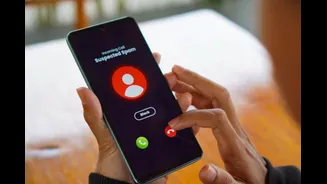







What is the New Caller ID Rule?
The Department of Telecommunications (DoT), based on recommendations from the Telecom Regulatory Authority of India (TRAI), has mandated all telecom service providers to implement a feature called Calling Name Presentation, or CNAP. Effective November
1, 2026, this service will automatically display the name of the person calling you, even if they are not in your contact list. The primary goal is to increase transparency, help users identify legitimate calls, and combat the growing menace of spam and fraudulent calls that plague Indian users. The service will be enabled by default for all subscribers on 4G and 5G networks, with plans to consider 2G, 3G, and landline networks separately at a later stage.
How Will It Actually Work?
Unlike apps that rely on crowdsourced data, CNAP is a network-level service. When you receive a call, your telecom operator will query the caller's network to fetch the name associated with that number from their official database. This name is the one you provided in your Customer Application Form (CAF) and verified through the Know Your Customer (KYC) process when you purchased the SIM card. This official name will then be displayed on your screen along with the number. If the number is already saved in your contacts, the name you saved will take precedence and be displayed as usual. For international numbers, your phone will simply display 'International Call'.
Is This Different from Truecaller?
Yes, fundamentally different. Truecaller and similar apps build their databases by uploading users' contact lists, leading to a massive, crowdsourced directory. This means the name you see is often what another user saved it as, which can be inaccurate, outdated, or a nickname. CNAP, on the other hand, uses the official, verified name from the telecom operator's records, which are linked to a government-issued ID. This makes the information significantly more reliable. Furthermore, CNAP is a network feature that works without needing an app or an internet connection, while Truecaller is an app that requires data access to function.
What About Spam and Fraud?
CNAP is a significant step towards curbing phone-based fraud. Scammers who hide behind unknown numbers will now have their registered names displayed, making it harder for them to impersonate banks, government officials, or other entities. Knowing the official name of the caller adds a layer of verification and can help you spot a fraudulent call immediately. However, it is not a silver bullet. The system is designed to display the name, not to block spam or fraud automatically. Users will still need to exercise caution, but now they will have more information to make an informed decision about answering a call.
Addressing Privacy and Safety Concerns
The mandatory nature of CNAP has raised valid privacy concerns, particularly regarding the safety of individuals, such as women, who may not wish to have their full name revealed to every stranger they call. Acknowledging this, the DoT has included some safeguards. The system incorporates a 'security-by-design' approach, meaning the caller's name is not stored on the recipient's network after the call ends. More importantly, subscribers who have the Calling Line Identification Restriction (CLIR) facility enabled will be exempt; their names will not be displayed. Initially, there were calls for the service to be 'opt-in', but authorities decided on a 'default-on' model to maximise its effectiveness against spam. Discussions are ongoing about mechanisms for individuals to potentially use a preferred name instead of their full legal one, though this is primarily aimed at businesses for now.
What Happens for Businesses?
The new rules also have provisions for businesses and bulk users. Instead of displaying the legal name on the subscriber record, companies can apply to have a 'preferred name' displayed. This preferred name must be either a trademark registered in their name or a trade name registered on the Goods and Services Tax (GST) portal. Telecom operators will be responsible for verifying these details before allowing a brand name to be displayed. This ensures that when a legitimate business calls you, their verified brand name appears, increasing trust and recognition.