








The Monsoon's Agricultural Counterpart
The Kharif season, also known as the monsoon or autumn crop season, is one of India's three main agricultural cycles. Its timing is intrinsically linked to the Southwest Monsoon. Sowing typically begins in June and July with the onset of the rains, and harvesting
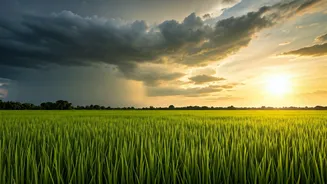
takes place between September and October as the monsoon withdraws. The word 'Kharif' itself has Arabic origins, meaning “autumn,” which points to its harvest period. Unlike the winter (Rabi) crops that often rely on irrigation, Kharif crops are overwhelmingly rain-fed, making them dependent on warm, wet, and humid conditions for growth. This reliance on the monsoon makes the Kharif season the backbone of Indian agriculture.
The Lifeblood of the Season: The Monsoon
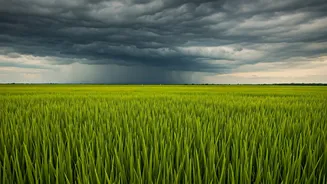
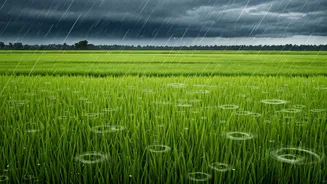
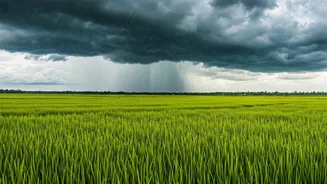
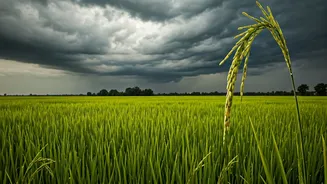
The performance of the Southwest Monsoon is the single most critical factor determining the fate of the Kharif season. This weather system provides about 70-75% of India's total annual rainfall, and with around 60% of the country's farmland being rain-fed, its importance cannot be overstated. A timely, well-distributed monsoon leads to healthy seed germination, recharges soil nutrients, and supports robust crop growth, resulting in higher yields. Conversely, an erratic monsoon—whether delayed, deficient, or excessive—can cause widespread disruption, leading to crop stress, lower output, and farmer distress. As recent data for June 2026 shows, a delayed or weak start to the monsoon can slow down the pace of sowing significantly, impacting major crops across the country.
The Pillars of the Plate: Major Kharif Crops
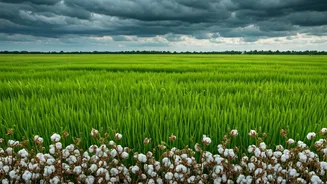
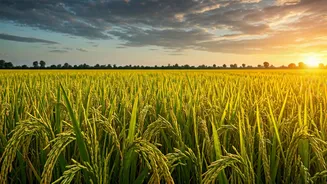
The Kharif season brings a diverse and crucial range of crops to our fields. Rice, or paddy, is the undisputed king of Kharif crops and a staple food for a majority of the Indian population. Other major cereals include maize (corn), which is used for food, animal feed, and industrial purposes, and hardy millets like jowar (sorghum) and bajra (pearl millet) that are vital in drier regions. Beyond cereals, the season is critical for pulses like tur (arhar), moong, and urad, which are essential sources of protein. Important cash crops also dominate this season, including cotton, the backbone of the textile industry, and oilseeds like soybean and groundnut, which are crucial for producing cooking oils.
Why Kharif Matters to the Entire Economy
The impact of the Kharif harvest extends far beyond the farm gate, influencing the entire Indian economy. The season is a massive source of employment for a large portion of India's rural workforce. A bountiful harvest boosts rural incomes, which in turn fuels demand for goods and services, driving economic growth. The output from this season is also central to national food security and managing inflation; a good harvest helps keep food prices stable, while a poor one can lead to shortages and price spikes. Kharif production contributes significantly to India's agricultural GDP and ensures the government can procure essential grains like rice for its Public Distribution System (PDS), which supports millions.
Modern Challenges and the Path Forward
Despite its importance, Kharif cultivation faces a growing number of challenges. Climate change is making monsoons more unpredictable, leading to increased instances of drought and flooding. Pest infestations, such as Fall Armyworm in maize and Pink Bollworm in cotton, pose significant threats to crop health. Other persistent issues include fragmented landholdings, lack of access to modern technology for many small farmers, and inadequate rural infrastructure like storage facilities. To mitigate these risks, there is a growing focus on climate-resilient agricultural practices, improved water management, and government support through initiatives like crop insurance schemes and Minimum Support Prices (MSP) to ensure farmers receive fair returns.