

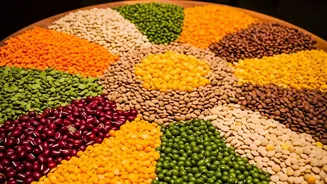
Why One Size Never Fits All
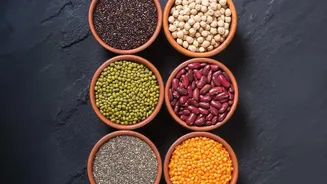
Treating all pulses the same is a common kitchen mistake. Each variety—from the delicate red lentil to the robust kidney bean—has a different structure. Factors like size, density, and skin thickness dictate how long it takes for heat and water to penetrate
and soften the pulse. A tiny, split masoor dal has very little to break down, while a large, whole chana has a tough exterior that needs significant time to yield. Ignoring these differences is like trying to bake a biscuit and a large cake for the same amount of time; the results are predictably inconsistent. Understanding this diversity is the first step to mastering dals.
The Soaking Question: To Soak or Not to Soak?
Soaking is a crucial step for many, but not all, pulses. For large, dense beans like rajma (kidney beans) and chole (chickpeas), soaking is non-negotiable. An overnight soak rehydrates them, significantly cutting down on cooking time and making them easier to digest. Without it, you could be simmering them for hours. For medium-sized dals like toor (arhar) dal and chana dal, even a short soak of 30 minutes to an hour can make a noticeable difference in texture and speed. However, for quick-cooking split pulses like moong dal and masoor dal, soaking isn't necessary at all; they are soft enough to cook quickly from dry. Always discard the soaking water and use fresh water for cooking to wash away substances that can cause bloating.
The Quick-Cooking Family: Ready in Minutes
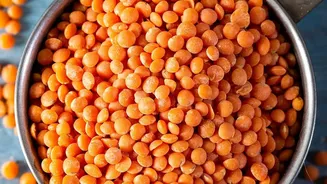
When you're short on time, this group is your best friend. It primarily includes split and hulled pulses that cook very quickly. Masoor Dal (Red/Orange Lentils): These are the sprinters of the pulse world. They cook in about 15-20 minutes in an open pot and need just 1-2 whistles in a pressure cooker. They break down completely, making them perfect for creamy, smooth dals. Moong Dal (Split Yellow Mung Beans): Similar to masoor, yellow moong dal cooks rapidly, becoming soft and creamy in about 20 minutes on the stovetop. It’s famously easy to digest. For these, you can generally skip soaking and move straight to cooking.
The Everyday Staples: The Middle Ground
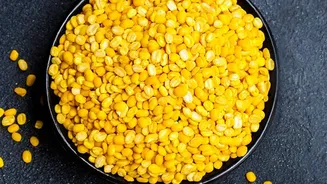
This category includes the workhorses of the Indian kitchen. They're sturdier than moong or masoor but don't require the extensive prep of whole beans. Toor/Arhar Dal (Split Pigeon Peas): The star of sambar and countless everyday dals, toor dal benefits from a short soak. In a pressure cooker, it typically takes 3-4 whistles (around 10-14 minutes under pressure) to become perfectly soft. Chana Dal (Split Bengal Gram): With a nuttier flavour and firmer texture, chana dal takes a bit longer. After soaking, it needs around 4-5 whistles or 15-20 minutes under high pressure to cook through while still holding some shape. These pulses form the base of many regional cuisines and offer a satisfying, hearty texture.
The Long Haul: Whole Beans and Legumes
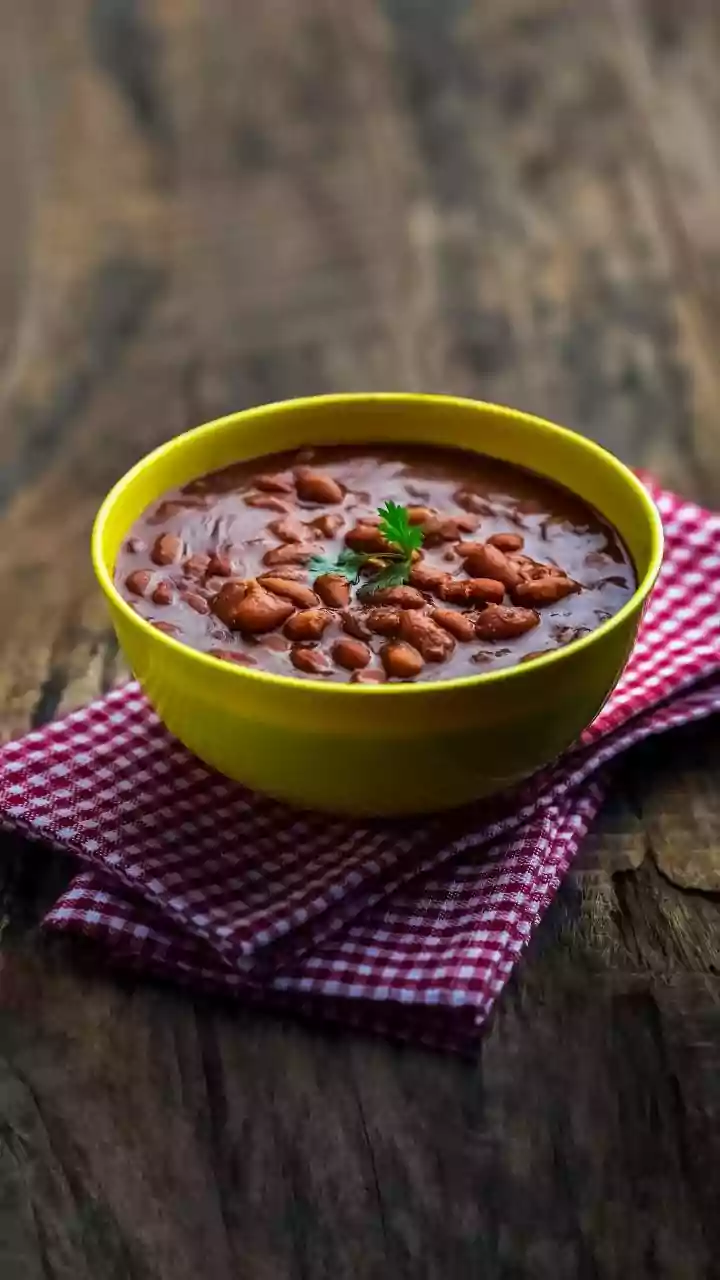
Patience is key for this group. These are whole pulses with their skins intact, requiring a long soak and a longer cooking time to achieve a tender, creamy interior. Rajma (Kidney Beans): After an overnight soak, rajma needs a good 6-8 whistles in a pressure cooker, or up to 30-40 minutes of pressure cooking time, to become fully tender. Cooking them from dry is not recommended as it can take hours. Chole/Kabuli Chana (Chickpeas): Like rajma, chickpeas must be soaked overnight. They require a similar cooking time, around 6-7 whistles or 30-35 minutes in a pressure cooker, to be cooked to perfection. * Whole Urad Dal (Black Gram): The key ingredient for Dal Makhani, whole urad also needs soaking and a slow, long cook to develop its signature creamy texture, often taking 5-6 whistles as a starting point.
Other Factors to Consider
Beyond the type of pulse, a few other variables can affect cooking time. The age of the dal is significant; older, drier pulses can take much longer to soften than freshly harvested ones. The hardness of your water can also play a role, as minerals in hard water can sometimes prevent pulses from softening properly. Finally, the cooking method itself matters. A pressure cooker drastically reduces cooking time—often by more than half—compared to an open pot by using high pressure to cook food faster. Adjusting for these factors will help you achieve consistent results every time.