





More Than Just Cloudy Water
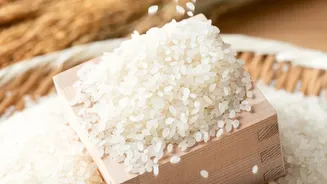
That milky liquid from washing rice is packed with more than you might think. Its primary component is starch, a carbohydrate that provides energy. It also contains trace amounts of the 'big three' plant nutrients: nitrogen (N), phosphorus (P), and potassium
(K). Beyond that, it holds B vitamins like thiamine and niacin, which can promote root development and overall plant health. While it's not a complete fertiliser and won't replace a balanced plant food routine, think of it as a gentle, organic supplement. Scientific studies have confirmed that rice water contains these nutrients in small, but meaningful, quantities that can support plant growth.
A Feast For Your Soil's Invisible Friends
The true magic of rice water happens at a microscopic level. Your plant's soil is a bustling ecosystem, home to billions of beneficial microorganisms like bacteria and fungi. These microbes are essential workers; they break down organic matter into simple nutrients that plant roots can easily absorb. The carbohydrates from the starch in rice water serve as a direct and easily digestible food source for this microbial community. By feeding these 'good guys', you boost their population and activity. A thriving microbial population leads to better soil structure, improved nutrient availability, and healthier, more resilient plants. Some studies even show that fermented rice water introduces beneficial bacteria, like lactobacilli, which help suppress harmful pathogens and make nutrients more available to the plant.
How to Use Rice Water Correctly
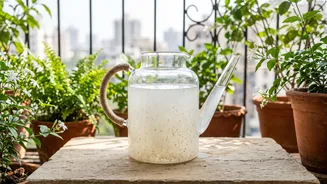
Using rice water is simple, but a few best practices ensure you're helping, not harming, your plants. First, always use water from rinsing uncooked rice that is free of salt or oil. The simplest method is to use this fresh rinse water directly on your plants, typically once a week in place of a regular watering. For a more potent option, you can ferment the water. To do this, collect the rinse water in a jar, cover it loosely with a cloth, and let it sit at room temperature for two to three days until it smells slightly sour. This fermentation process increases the nutrient concentration and beneficial bacteria. However, fermented rice water is more acidic and potent, so it's crucial to dilute it, often at a ratio of one part fermented water to ten parts fresh water, before applying it to your plants every couple of weeks.
Potential Pitfalls to Avoid
While beneficial, rice water is not a cure-all and can cause problems if used improperly. The most common risk is overdoing it. Applying starchy water too frequently, especially without dilution, can create a crust on the soil surface that blocks air and water from reaching the roots. This can lead to root rot. The starchy residue can also attract unwanted pests like fungus gnats and ants, or lead to mould growth on the soil surface, particularly in humid indoor environments. It's also important to note that not all plants will benefit equally. Succulents and cacti, which prefer dry conditions, are not good candidates for rice water treatments as the extra moisture and starch can promote fungal issues. Always start by using rice water sparingly and observe how your plants respond before making it a regular part of your routine.