







The Concrete Jungle's Fever
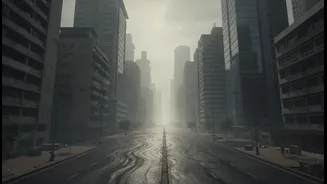
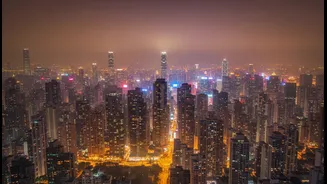
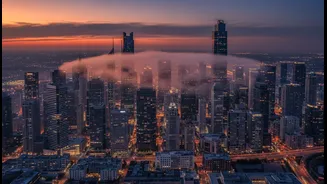
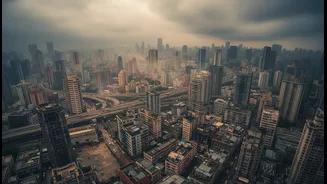
Our cities are designed in a way that naturally makes them hotter than surrounding rural areas. This phenomenon is known as the Urban Heat Island (UHI) effect. Materials like concrete, asphalt, and dark-coloured roofing absorb and retain the sun's heat
far more than natural landscapes like forests and fields. During the day, these surfaces bake under the sun, and at night, they slowly release that stored heat, preventing cities from cooling down effectively. This effect is made worse by the lack of green cover and water bodies, which provide natural cooling through shade and evaporation. The heat generated by vehicles, air conditioners, and industrial processes also adds to the city's overall temperature, creating a self-perpetuating cycle of warmth.
When Air Becomes a Wet Blanket
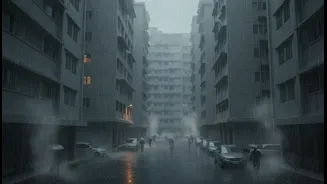
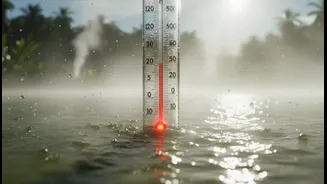
Then, the monsoon enters the picture. While the rains bring a welcome drop in the actual air temperature, they flood the atmosphere with moisture, dramatically increasing humidity. Humidity is the amount of water vapour in the air. When it's high, the air feels heavy and thick. This is where the trouble begins, because this moisture-laden air interacts with the already-warm urban environment in a way that directly impacts our bodies. The combination of trapped heat from the UHI effect and the high moisture content of the monsoon creates a stifling, oppressive environment that feels much hotter than the thermometer reading suggests.
Why Your Body's Cooling System Fails
The human body has a brilliant, built-in cooling system: sweating. When we get hot, we perspire. The magic happens when that sweat evaporates from our skin, a process that draws heat away and cools us down. But this system has a critical weakness—it relies on the air being able to accept more moisture. During the monsoon, when relative humidity is high, the air is already saturated with water vapour. As a result, your sweat can't evaporate efficiently. It just sits on your skin, leaving you feeling sticky and damp, while your body gets no cooling relief. Your internal thermostat senses you're still hot, so it signals you to sweat even more, leading to potential dehydration without any of the cooling benefits.
The 'Feels Like' Deception
This is why meteorologists report a "heat index" or "feels like" temperature. This metric combines air temperature with relative humidity to provide a much more accurate measure of how hot it feels to the human body. For instance, an air temperature of 32°C with 70% humidity can feel like 41°C. The higher the humidity, the more dramatically the heat index rises above the actual temperature. In recent years, scientists have also focused on the "wet-bulb temperature," a measure that indicates the lowest temperature an object can reach through evaporation. When the wet-bulb temperature exceeds certain thresholds, it becomes physically impossible for the human body to cool itself, posing a severe health risk, even for healthy individuals in the shade. Studies show that parts of India are increasingly approaching these dangerous wet-bulb thresholds, particularly during the humid monsoon season.
Coping With the Oppressive Air
Given that our cities are becoming hotter and monsoons more humid, managing this combined threat is crucial. The most important step is to stay hydrated by drinking plenty of water, even when you don't feel thirsty. Wear loose, lightweight, and light-coloured clothing made from breathable fabrics like cotton to allow for maximum possible air circulation. Avoid strenuous outdoor activities during the hottest and most humid parts of the day. If you must be outside, take frequent breaks in the shade or a cool environment. Indoors, improving ventilation is key. Use fans to keep air circulating and, if possible, use a dehumidifier to reduce moisture levels. Simple actions like taking a cool shower can also provide temporary relief by lowering your body temperature. As our climate changes, understanding the dual threat of urban heat and humidity is the first step toward keeping ourselves safe.