


A quiet revolution is happening on Indian dinner plates. For years, 'healthy eating' meant looking westward to quinoa and kale. Now, a growing number of diners are looking inward, rediscovering the immense health and flavour packed into our own heritage
dishes.
The Great Indian Food Renaissance
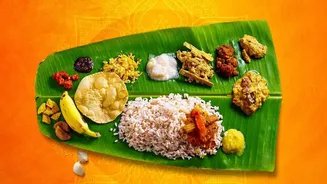
There’s a tangible shift in India's culinary landscape. Diners are increasingly trading fleeting global food trends for something more permanent and personal: the food of their ancestors. This is not just about nostalgia; it's a conscious health choice. The long-held wisdom of Indian cuisine—rooted in Ayurveda, seasonality, and balance—is finding a new, modern audience. Instead of importing superfoods, people are exploring the nutritional powerhouses in their own backyards, from forgotten grains to regional preparations that have nourished communities for centuries. This movement is about understanding that a traditional thali, with its careful combination of grains, lentils, and vegetables, was perhaps the original balanced meal.
From 'Poor Man’s Grain' to Superfood
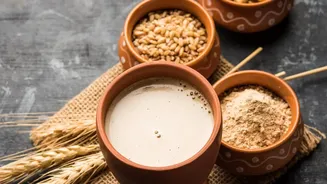
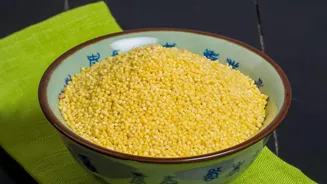
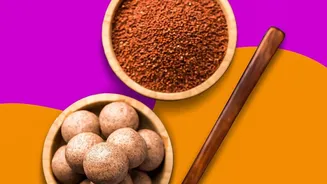
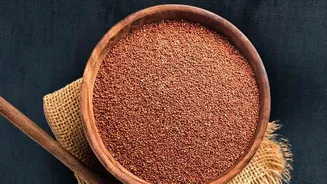
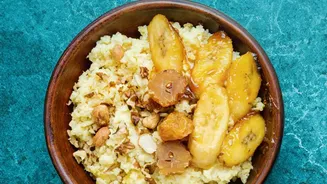
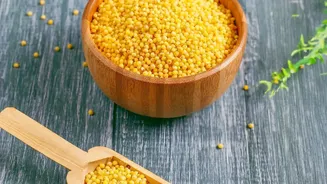
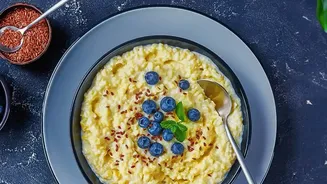
Leading this charge is the humble millet. Once dismissed as 'poor man's grain', millets like ragi, jowar, and bajra are now celebrated as superfoods. These ancient grains, which have been cultivated in India for over 5,000 years, are naturally gluten-free, rich in fibre, and packed with essential nutrients. Their resurgence is driven by a desire for sustainable and healthy eating. Millets require less water to grow than rice or wheat and are incredibly resilient, making them an environmentally sound choice. From bajra khichdi in Rajasthan to ragi mudde in Karnataka, these dishes are no longer confined to rural kitchens but are appearing on the menus of trendy urban cafes and fine-dining establishments, praised for their low glycemic index and digestive benefits.
A Culinary Map of Wellness
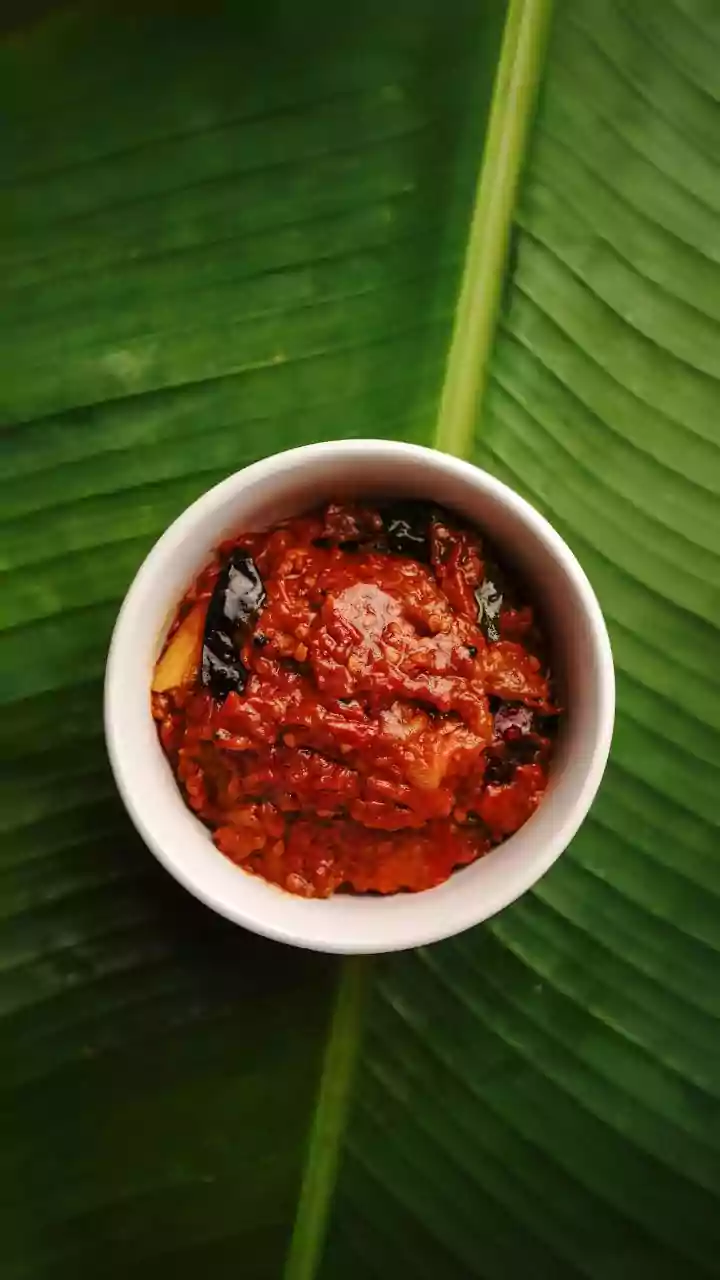
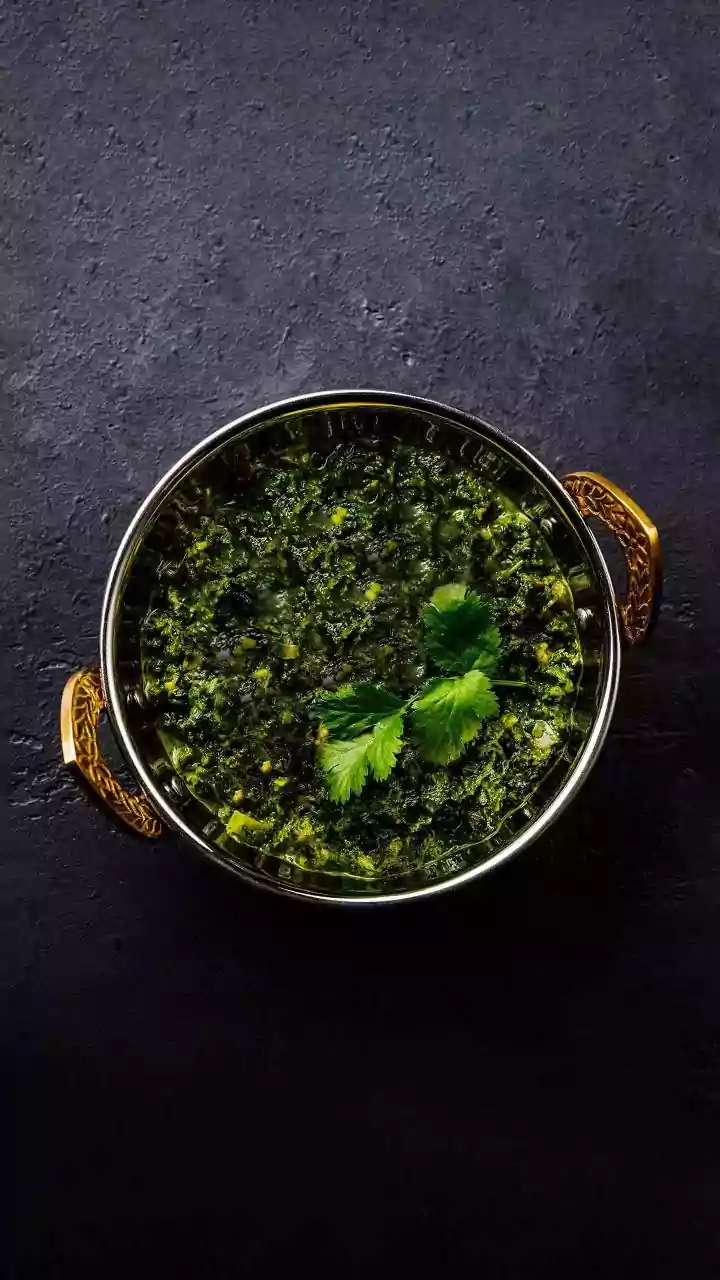
The search for healthy, heritage food takes us on a journey across India's diverse culinary map. In Maharashtra, diners are discovering Shengole, a comforting one-pot meal made with jowar (sorghum) flour dough rings, satisfying the demand for gluten-conscious options. From Karnataka comes Menthe Kadubu, a wholesome, high-fibre vegan dish of dumplings in a lentil gravy, offering an alternative to pasta. The Northeast's fermented foods and bamboo shoot preparations are being spotlighted for their unique benefits, while coastal communities are reviving dishes like the savoury Kallummakkaya Nirachathu (stuffed mussels). These dishes are celebrated not just for their authentic flavours but for their use of seasonal produce and traditional cooking methods that preserve nutritional value.
Chefs as Cultural Chroniclers
This revival is being championed by a new generation of Indian chefs who see themselves as cultural custodians. Chefs like Vikas Khanna, Ranveer Brar, and Mayank Istwal are travelling to remote villages to unearth forgotten recipes and techniques. They are ethically documenting dishes, often crediting the families and communities of origin, and bringing them to a global audience. By placing dishes like Himachali Bhaturu with Mhaun Ni Dal or Rajasthani Pattode ke Kebab on their menus, they are doing more than just serving food; they are preserving cultural memory on a plate. This movement is proving that authentic, regional Indian food can be both refined and deeply comforting, moving far beyond the stereotypical heavy curries of the past.