





The Science of a Soggy Outcome
The transformation from a perfectly crisp crust to a disappointingly soft one is a simple matter of physics. Freshly baked goods are full of moisture, which turns into steam at high oven temperatures. When you place a still-warm item into a sealed container,
that steam gets trapped. As the food and the air inside the box cool down, the air can no longer hold the moisture. This causes the water vapor to turn back into liquid droplets—a process known as condensation. These droplets collect on the inside of the container and, unfortunately, on the surface of your baked goods, turning crisp crusts leathery and delicate crumbs damp.
The Golden Rule: Cool Completely
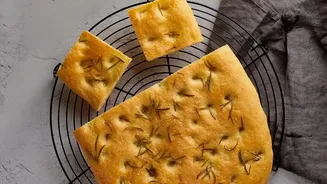
The single most important step to prevent condensation is to let your baked goods cool down completely before you even think about storing them. This isn't just a casual suggestion; it's a fundamental rule for preserving texture. The best tool for the job is a wire cooling rack. Placing bread, cookies, or cakes on a rack allows air to circulate freely around the entire surface, including the bottom. This prevents steam from getting trapped underneath, which is the primary cause of the dreaded "soggy bottom." The cooling period is also an extension of the baking process, where the internal structure of the baked good sets properly. Slicing into a warm loaf, for example, can reveal a gummy and underdeveloped crumb because the starches haven't had time to firm up. Patience is key; wait until the item is at room temperature to the touch before moving to storage.
Smart Storage for Every Kind of Treat
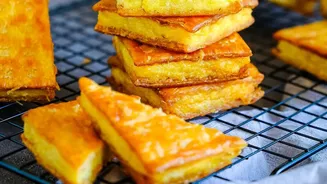
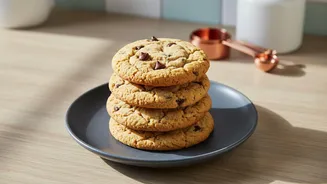
Once your creations are fully cool, the right storage method depends on what you've baked. Different treats have different needs for moisture retention or protection. For crusty breads like sourdough or baguettes, avoid airtight plastic containers. A paper bag or a classic bread box is ideal because they allow the bread to breathe, preventing moisture from softening the crust. Soft cakes, muffins, and quick breads, on the other hand, should be stored in an airtight container to maintain their moisture. For crisp cookies, the goal is to keep moisture away. Store them in a container that is not perfectly sealed, which allows any residual moisture to escape. Crucially, never store crispy cookies and soft, chewy cookies together. The crisp ones will absorb moisture from the soft ones and lose their snap.
The Exception to the Rule
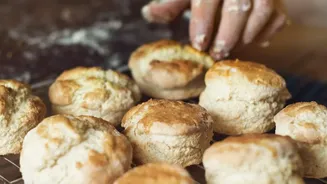
While cooling completely is the general rule, there are a few exceptions where trapping a small amount of steam is actually beneficial. Think of soft dinner rolls or certain types of buns where a tender, rather than crispy, crust is desired. In these cases, you can cover the rolls with a clean kitchen towel while they are still slightly warm. The towel traps just enough steam to soften the crust but is porous enough to let excess moisture escape, preventing the rolls from becoming genuinely soggy. It's a delicate balance that helps achieve that specific soft and pillowy texture. For most other baked goods, however, from pies and pastries to artisanal bread and cookies, letting them cool entirely in open air is the only way to guarantee the texture you worked so hard to achieve.