





The New Prime Time for Hunger
The traditional 9 p.m. dinner hour is becoming a thing of the past for a significant slice of urban India. Food delivery platforms have seen late-night orders, typically placed between 11 p.m. and 3 a.m., double over the past year. This surge isn't just
a fleeting trend; it reflects a deep-seated shift in lifestyle. Major players like Zomato and Swiggy are at the forefront, with Swiggy recently launching a dedicated “Late Night Eats” program across thousands of office locations to cater to professionals working extended hours. This growth is visible not just in metros like Bengaluru, Hyderabad, and Mumbai, but also in emerging Tier-2 cities such as Lucknow, Kochi, and Ahmedabad, signalling a nationwide change in eating habits.
Who's Ordering After Dark?
The late-night customer is typically young, urban, and digitally savvy. This demographic includes students studying for exams, young professionals working late to sync with global teams, and binge-watchers settling in for a movie marathon. The rise of flexible work schedules and the gig economy means the traditional 9-to-5 workday is no longer the norm for many. For these consumers, ordering food is a reward after a stressful day, a convenient solution to decision fatigue, or a way to replace a social meal. This behavioural shift is so pronounced that some restaurateurs report their late-night sales now rival their lunchtime orders. Events like major sporting tournaments also create significant spikes in demand, with orders for snacks and beverages jumping by as much as 40 percent during match hours.
The Midnight Menu: Cravings and Comfort
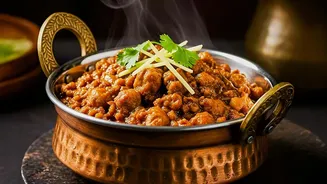
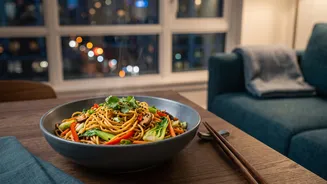
When hunger strikes late at night, Indians are reaching for comforting and convenient options. Burgers and pizzas consistently top the charts as the most popular late-night choices. According to one report, chicken burgers were the single most ordered item after dark, with millions of orders placed between midnight and 2 a.m. Perennial favourites like biryani, noodles, and rolls are also in high demand. Beyond full meals, there's a strong appetite for snacks and desserts. Items like chicken rolls, momos, and french fries are popular companions for late-night activities, while desserts like choco lava cake see millions of orders. This demand has created a specific market for easily consumable, satisfying food that doesn't require a full sit-down experience.
The Kitchens That Never Sleep
This round-the-clock demand has fuelled the growth of a new operational model: the cloud kitchen. These delivery-only establishments are perfectly suited for the late-night market, as they can operate with lower overheads than traditional dine-in restaurants. Many cloud kitchens see the late-night window as a key opportunity to increase visibility and capture a less competitive market segment. In response, major QSR chains like McDonald's and Domino's have also extended their operating hours, with many outlets now delivering until 3 a.m. To manage logistics, food delivery platforms often extend the delivery radius for operational restaurants at night, taking advantage of emptier roads to serve a wider area.
The Challenges of the Night Shift
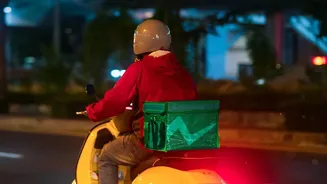
While profitable, the late-night boom comes with its own set of challenges. For delivery partners, the night shift can bring safety concerns, from navigating poorly lit streets to risks of theft. Finding addresses can be more difficult, and gaining entry into residential buildings often involves navigating wary security guards. For restaurants, operating late hours means managing skeletal staff, which can lead to hectic and stressful working conditions. Despite these hurdles, the ecosystem is adapting. Some delivery platforms offer increased payments to riders working after midnight, and the quieter roads can be an upside for many. However, the physical and emotional toll on workers remains a significant, often invisible, part of this 24/7 service economy.