







The Problem with Single-Nutrient Fixation
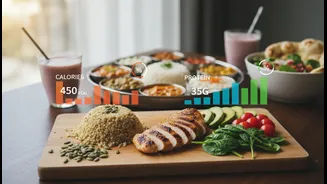
Modern wellness culture often encourages us to view food as a collection of isolated nutrients: proteins, carbohydrates, fats, and vitamins. This 'nutritionism' can be misleading. Not all carbs are equal; a chapati made from whole wheat is vastly different
from a sugary biscuit. Similarly, fats in nuts and avocados are beneficial, unlike the trans-fats in many processed snacks. Focusing on eliminating one nutrient group often leads to an unbalanced diet and overlooks the complex ways foods work together in our bodies. This reductionist approach is why so many diet fads fail in the long run—they ignore the bigger picture of a balanced dietary pattern. True health isn't about villainizing one component; it's about the synergy of a complete and varied diet.
A Smarter Approach: Thinking in Food Groups
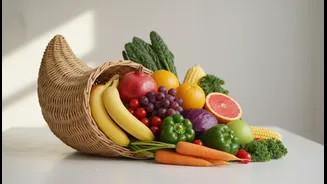
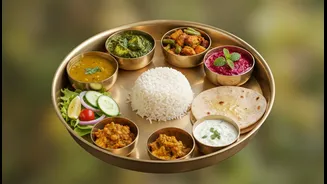
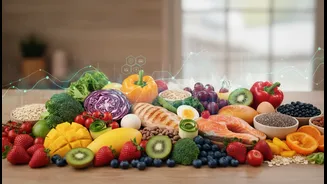
A more holistic and effective way to think about your diet is by assessing food groups. This means looking at the overall balance of cereals and millets, pulses, fruits, vegetables, dairy, and fats and oils on your plate over the course of a day or week. This method aligns with traditional dietary wisdom, like the Indian thali, which naturally incorporates a variety of food groups in a single meal. The Indian Council of Medical Research (ICMR) and the National Institute of Nutrition (NIN) champion this approach. Their latest dietary guidelines for Indians emphasize variety and balance among food groups to combat malnutrition and prevent lifestyle diseases like diabetes and obesity.
Understanding India's Changing Food Basket
The phrase "India's Changing Food Basket" describes major shifts in the nation's eating habits over the past few decades. Data from national surveys shows several key trends. There has been a significant move away from traditional coarse grains like millets towards refined wheat and rice. At the same time, consumption of edible oils, sugar, and ultra-processed foods has soared. Worryingly, the intake of essential food groups like pulses, fruits, and vegetables remains low for a large part of the population, despite rising incomes. These trends are contributing to a dual health burden: while undernutrition persists, rates of obesity and related non-communicable diseases are climbing rapidly in both urban and rural areas.
Using National Trends to Assess Your Own Plate
You can use these national trends as a mirror to reflect on your own diet. Ask yourself some simple questions. Is my grain intake dominated by refined rice and wheat, or am I including diverse millets and whole grains? The latest ICMR-NIN guidelines suggest making at least half your cereal intake from whole grains. Am I eating enough pulses? The national trend shows a decline, so it's worth checking if you're getting enough dal, chana, or rajma for your protein needs. Are fruits and vegetables a daily habit or a rare occurrence? The guidelines now recommend 400 grams of vegetables per day. Finally, take a look at your consumption of fats, salt, and sugar, especially from packaged and ultra-processed foods, which are a growing concern.
Bringing it all Together with 'My Plate for the Day'
To make this practical, the National Institute of Nutrition has developed a simple visual tool called 'My Plate for the Day'. It recommends that half of your plate should consist of fruits and vegetables. One quarter should be dedicated to cereals and millets. The final quarter should be filled with protein sources like pulses, eggs, or meat, alongside dairy products like curd or milk. This simple visual guide helps you move away from counting grams of nutrients and towards building a balanced, diverse, and wholesome meal every time. It’s a powerful, practical way to apply the food-group approach to your daily life, ensuring you get the wide range of nutrients your body needs to thrive.