







The Science of Stress
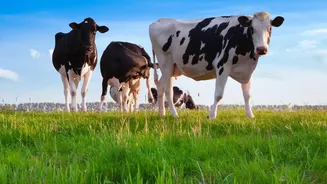
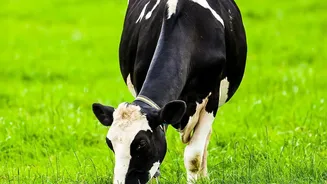
For dairy animals like cows and buffaloes, there is a thermal comfort zone. When high temperatures combine with high humidity, animals begin to experience heat stress. Their bodies divert energy from producing milk to simply trying to stay cool through
panting and sweating. This leads to reduced feed intake, lower milk production, and even affects the quality, with a drop in fat and protein content. Studies show that milk yields can decline by as much as 20-30% during periods of intense heat. Buffaloes are particularly vulnerable as they have fewer sweat glands and darker skin that absorbs more heat.
The Squeeze on Small Farmers
The impact of this climate pressure is felt most acutely by India’s smallholder dairy farmers, who own just a handful of animals and form the backbone of the industry. A drop in milk production translates directly to a loss of daily income. This is compounded by rising costs, as farmers spend more on veterinary care for heat-stressed animals, which are more susceptible to disease, and on electricity for fans or water for sprinklers to provide some relief. These mounting expenses, coupled with lower earnings from milk sales, create a precarious financial situation for millions of rural households that depend on dairy for their livelihood.
A National Challenge
The consequences ripple out from the farm to the entire nation. India is the world's largest milk producer, accounting for about a quarter of the global supply. Any significant disruption threatens this status and, more importantly, the country's food security. Projections are concerning: some studies estimate that heat-related stress already causes an annual loss of 3.2 million tonnes of milk, a figure that could rise to 15 million tonnes by the 2050s without effective intervention. One Lancet study projected that unmitigated thermal stress could reduce India's milk production by up to 25% by 2085. This could lead to higher prices for consumers and challenge the self-sufficiency achieved through decades of effort.
The Race for Resilience
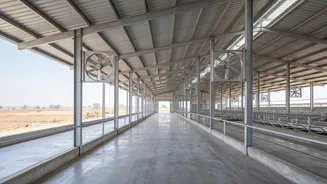
The challenge is immense, but not insurmountable. Across India, farmers and researchers are exploring ways to adapt. Simple, low-cost solutions include improving shed ventilation, installing shade nets, and using sprinklers or misters to cool animals. Adjusting feeding and milking times to cooler parts of the day can also help. On the nutritional front, providing easily digestible, high-energy feed can counter the reduced appetite caused by heat. There is also a growing focus on breeding, with a push to conserve and promote indigenous Indian cattle breeds like the Gir and Sahiwal, which are naturally more tolerant to heat than many cross-bred varieties. These strategies are crucial for building a more climate-resilient dairy sector.