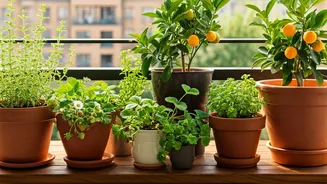





Why Grow Fruit in Containers?
The allure of growing fruit in pots goes beyond the novelty. For city dwellers, it's a practical solution to space constraints. Container gardening offers complete control over the growing environment—from the soil mix to water and nutrients—which can
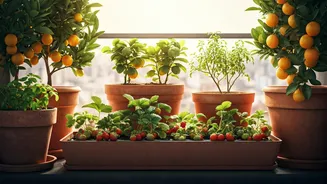
lead to healthier, more productive plants. It also brings incredible convenience. Imagine stepping out onto your balcony to harvest fresh guavas for a snack. Furthermore, pots are portable, allowing you to move plants to catch the best sunlight or protect them from harsh weather. This method makes gardening accessible to renters and those with small spaces, offering the joy and health benefits of homegrown, organic fruit without needing a large backyard.
Best Fruits for Your First Pot
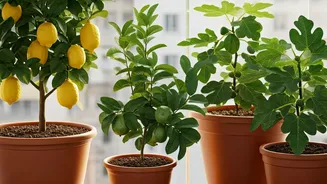
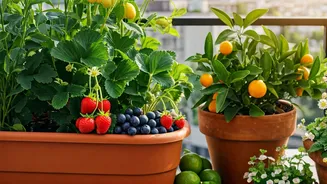
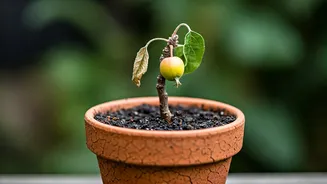
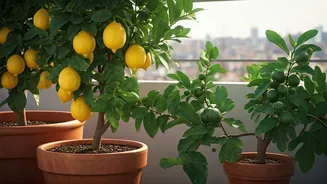
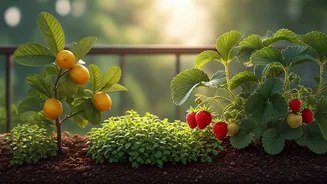
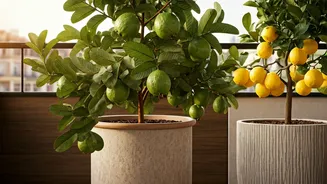
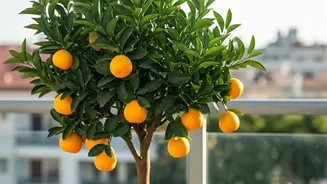
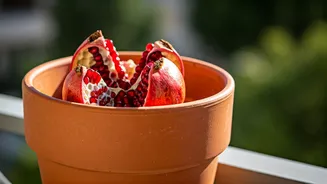
Not all fruit trees are suited for container life, but many thrive. For beginners, it's best to start with dwarf or grafted varieties that are naturally compact. Lemon, particularly the Kagzi variety, is a top choice as it can produce fruit year-round in a pot. Guava is another excellent option, known for being hardy and highly productive even in containers. Figs, pomegranates, and even certain dwarf mango varieties like 'Amrapali' can be successfully cultivated on a terrace. Strawberries are another fantastic choice for smaller pots and can provide a surprisingly quick and rewarding harvest.
Choosing the Right Pot and Soil
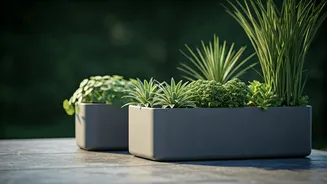
The container is your tree's home, so choosing wisely is crucial. The pot size should accommodate the plant's root system; a pot with a diameter of at least 18-24 inches is a good starting point for most dwarf trees. Materials like terracotta are breathable but heavy, while grow bags and plastic pots are lightweight and easier to manage on a terrace. No matter the material, drainage holes are non-negotiable to prevent root rot from waterlogged soil. Instead of using heavy garden soil, opt for a lightweight potting mix. A blend of cocopeat, compost (like vermicompost), and sand or perlite provides excellent drainage and nutrients without weighing down your balcony.
Sunlight and Water: The Essentials
Most fruit-bearing plants are sun-lovers, requiring at least six to eight hours of direct sunlight each day to flourish and produce a good harvest. A south-facing balcony or an open terrace is ideal. Watering is another critical factor. Container plants dry out faster than those in the ground, especially during hot Indian summers. A good rule of thumb is to water deeply whenever the top inch or two of soil feels dry to the touch. In summer, this might mean watering daily, while in winter, the frequency can be reduced. Overwatering can be just as harmful as underwatering, leading to root rot, so always check the soil before adding more water.
Feeding and Basic Care
Plants in pots have limited access to nutrients, so regular feeding is essential for them to bear fruit. A balanced approach works best. You can feed your plants with organic options like vermicompost or well-rotted cow dung manure every 15-20 days. During the flowering and fruiting stages, a fertilizer rich in potassium, such as a banana peel liquid fertilizer, can encourage better yields. Pruning is also important to maintain a manageable size and shape, remove any dead or unnecessary branches, and encourage more fruit production. Finally, keep an eye out for common pests. A regular spray of neem oil solution every 10-15 days can help keep insects at bay organically.