



Beyond the Checklist
Remember the old style of travel? It was often a race against time, a mission to tick off as many monuments and photo opportunities as possible. That approach is fading. In its place, 'experience-led' travel is emerging, where the focus is on participation,
not just observation. This isn't about collecting things, but about collecting moments and memories. Today’s travellers, especially younger generations like Gen Z, are prioritising smaller, more frequent trips that offer deep, personal value over a single, long annual holiday. The question is shifting from 'Where should we go?' to 'What do we want to feel?'. It’s a move from sightseeing to 'soul-searching', where the journey inward is just as important as the journey outward.
The Wellness Wave
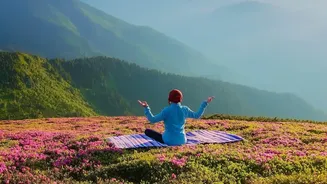
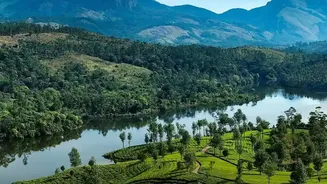
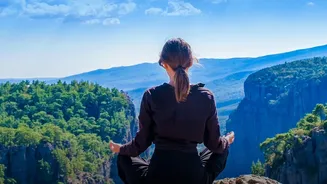
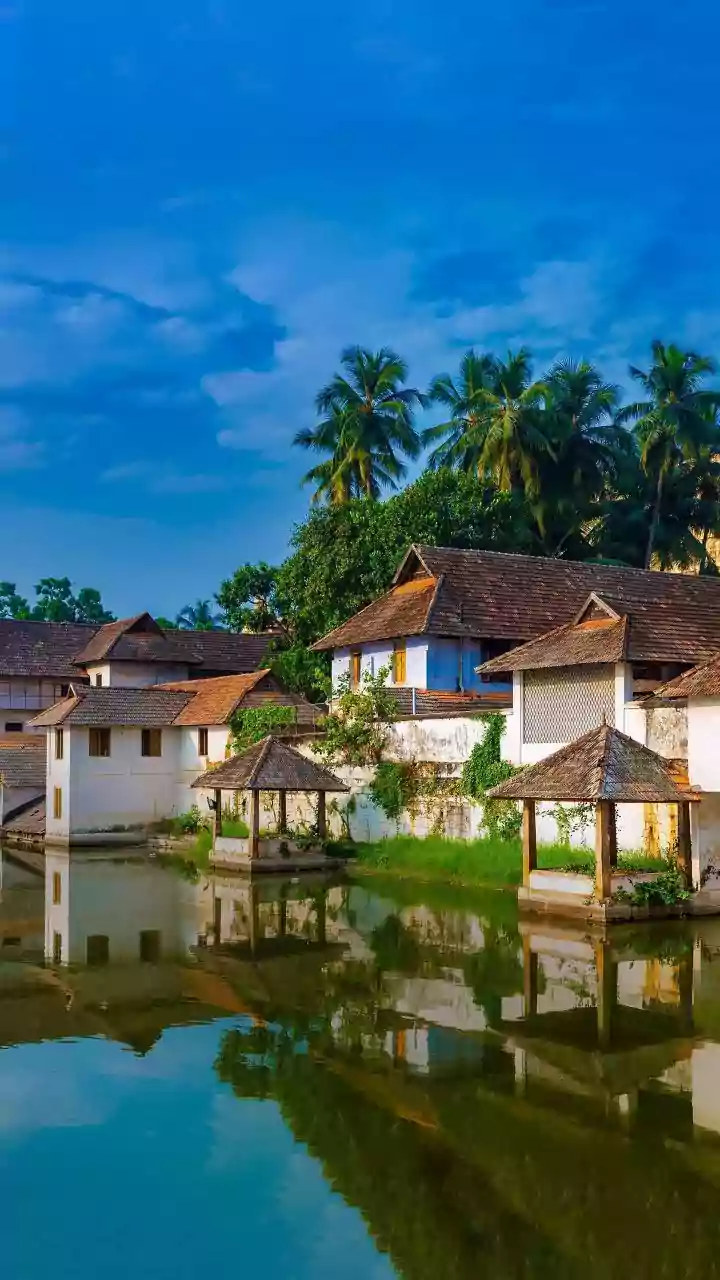
One of the most powerful drivers of this trend is the pursuit of well-being. Faced with modern pressures like long working hours and digital overload, many are seeking holidays that actively restore mind and body. India's wellness tourism market is booming, with projected revenues expected to grow significantly. This isn't just about a spa day. Travellers are now seeking out structured retreats focused on improving sleep, managing stress, and enhancing fitness. Destinations like Rishikesh, which has seen a more than 200% year-on-year surge in searches, and Kerala have become hubs for yoga, meditation, and traditional practices like Ayurveda. The ultimate goal is to return home healthier and more balanced than when they left.
Answering Nature's Call
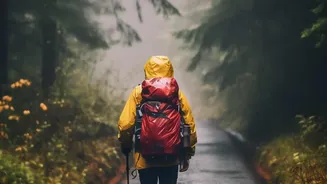
Alongside the wellness boom is a powerful pull towards the great outdoors. Travellers are increasingly choosing nature-first trips over classic city breaks, seeking the mental health benefits and stress reduction that natural environments provide. This can be seen in the rising interest in eco-tourism, a conscious shift towards protecting the planet while exploring it. Experiences range from treks in the Himalayas to stays in wildlife reserves and organic farms. The appeal is twofold: it offers a chance for a 'digital detox' and a deep reconnection with the environment, often through simple activities like forest bathing or birdwatching. For many, spending time in nature during travel provides a sense of quiet, solitude, and authenticity that is hard to find in daily life.
A Search for Something More
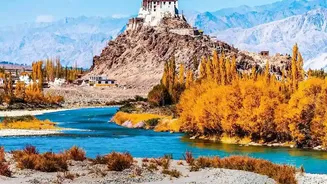
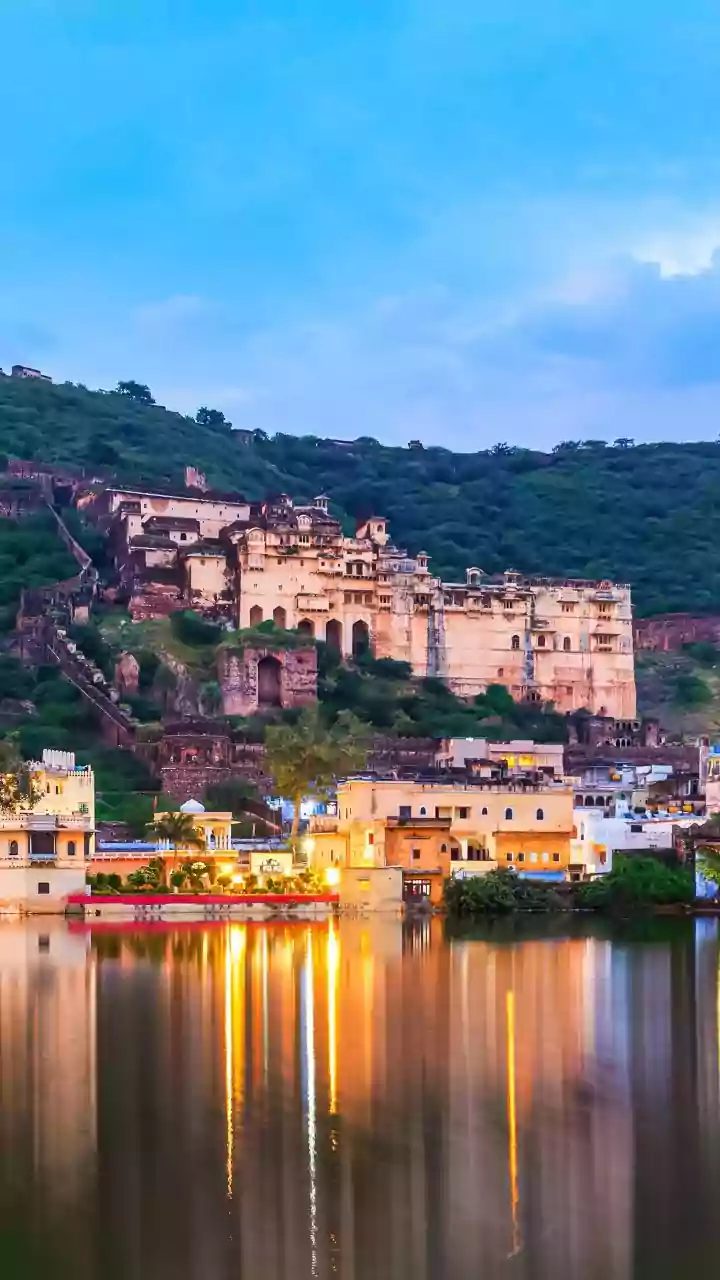
The focus on experience also extends to the spiritual realm. This isn't necessarily about organised religion, but a broader search for meaning, purpose, and self-discovery. India, with its deep-rooted spiritual traditions, is a natural focal point for this kind of travel. Destinations like Varanasi, Amritsar, and Bodh Gaya offer more than history; they provide an atmosphere for reflection and connection. Even a seemingly remote village like Kasar Devi in Uttarakhand draws seekers due to its serene atmosphere and unique geomagnetic properties believed to aid meditation. The journey becomes a pilgrimage of the self, an opportunity to disconnect from the noise of the world and reconnect with one's inner voice.
Why This, Why Now?
Several factors are fuelling this shift. The post-pandemic era prompted many to re-evaluate their priorities, leading to a greater appreciation for health, nature, and meaningful experiences. There's a growing fatigue with the 'always-on' culture, making the idea of a restorative escape more appealing than ever. Furthermore, travellers are looking for more than a generic holiday; they are seeking transformation. They want trips that help them rest, reconnect, and step away from the pressures of everyday life. This desire for authenticity is changing not just where people go, but why they travel in the first place, turning vacations into a powerful tool for personal growth and well-being.