




The idea of a long, blissful vacation is iconic, but a new travel trend is taking hold. An increasing number of Indians are swapping epic annual holidays for shorter, more frequent weekend breaks, fundamentally changing how we escape and recharge.
The Economics of the Quick Escape
One
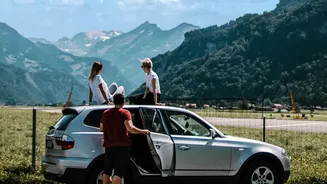
of the most significant drivers of this trend is simple economics. Rising costs for flights, hotels, and food are causing travellers to rethink their vacation spending. Instead of splurging on one expensive two-week holiday, many find it more manageable to take several smaller trips throughout the year. This 'cost compression' strategy makes travel feel more affordable and avoids the financial hangover that can come with a single, large vacation expense. Shorter trips, often to 'drivecation' destinations within a few hundred kilometres, also cut down on major transportation costs like airfare, which remains a primary concern for many. This shift allows people to continue prioritising travel, even amid economic uncertainty, by repackaging it into smaller, more digestible doses.
A Cure for Modern Burnout
In today’s high-pressure work environments, waiting a whole year for a single break is proving to be an ineffective strategy for managing stress. Psychologists note that the mental health benefits of a vacation, like reduced stress and increased happiness, tend to fade quickly, often within a week of returning to work. As a result, frequent, shorter vacations are seen as more effective for sustained well-being than one long holiday. These 'micro-breaks' act as regular mental resets, helping to prevent burnout by providing consistent periods of recovery. For professionals in India's demanding corporate sectors, a three-day getaway every few months is becoming a form of essential self-care rather than a luxury.
Time-Poor, Experience-Rich
Modern life is demanding, with busy work schedules and limited annual leave making it difficult to plan extended trips. Short weekend getaways offer a practical solution, allowing people to escape their routines without majorly disrupting their lives. Planning a two-day trip is significantly less stressful and time-consuming than organising a two-week international expedition. This convenience has given rise to the 'micro-cation'—a trip of four nights or less. This format allows travellers to focus on quality over quantity, prioritising a few memorable moments over a jam-packed itinerary. Rather than waiting for one big adventure, people are collecting a variety of smaller, more diverse experiences throughout the year.
The Rise of the 'Workation'
The increase in hybrid and remote work arrangements has further blurred the lines between work and leisure, giving rise to the 'workation'. This trend sees professionals working from a hotel or resort in a leisure destination for a few days, mixing productivity with exploration. A traveller might work during the day and explore a new city in the evenings, effectively combining a trip with their job. This format is perfectly suited to shorter stays of 3–7 days and has become a mainstream travel style in India. Destinations like Goa, Mussoorie, and the outskirts of Bengaluru are becoming popular hubs, supported by hotels offering reliable Wi‑Fi and comfortable workspaces.
Connectivity and a Shift in Mindset
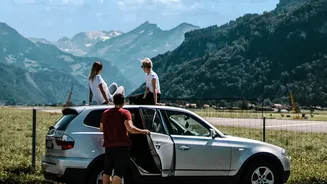
Improved infrastructure, including better national highways and new regional airports, has made short–distance travel in India easier and more appealing than ever. Road trips, or 'drivecations', are replacing short–haul flights for destinations within a 200–600 km radius. This improved connectivity means that a scenic hill station or a quiet beach town is now just a few hours' drive from major cities like Delhi, Mumbai, or Bengaluru. Ultimately, the rise of the short break reflects a broader shift in mindset. Travel no longer has to be a grand, once–a–year event. It can be a small, spontaneous, and regular part of a balanced life, proving that a great escape doesn't always require a long journey.