


The End of an Era for the ISS
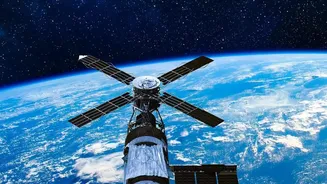
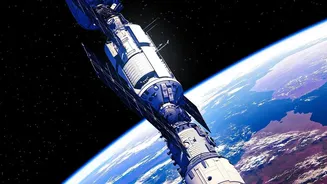
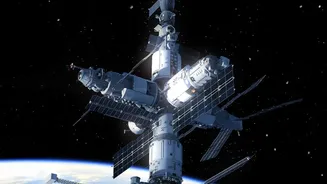
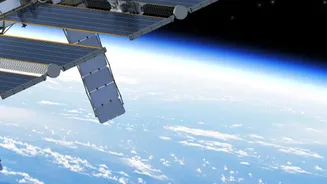
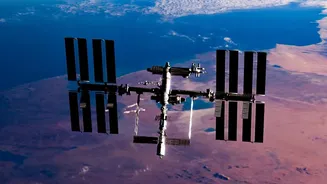
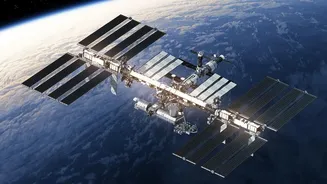
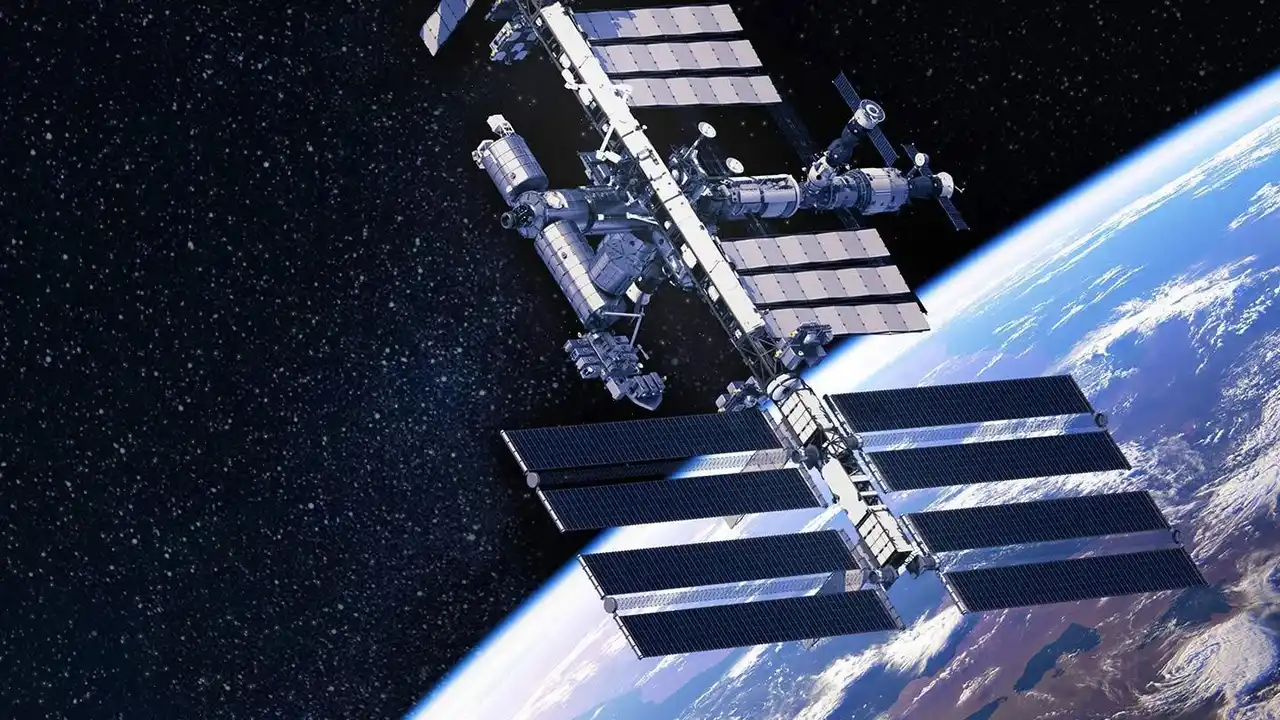
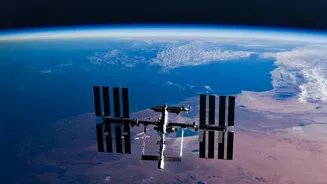
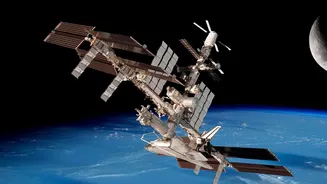
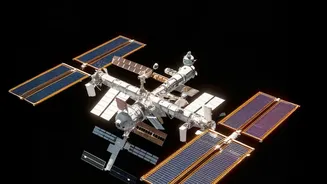
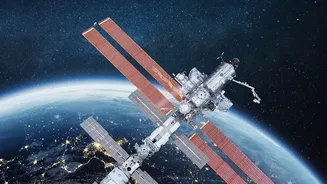
The International Space Station is a monumental achievement of global cooperation, but it's also an aging piece of infrastructure. Originally designed for a 15-year lifespan, it has been continuously occupied since 2000. Now, more than a decade beyond
its initial plan, the station faces structural fatigue and rising maintenance costs, with NASA spending nearly $3 billion annually on its operation. Consequently, NASA plans to deorbit the ISS around 2030, guiding it to a controlled entry over a remote part of the Pacific Ocean known as Point Nemo. This planned retirement creates a critical challenge: ensuring the United States and its partners maintain a continuous human presence in low-Earth orbit (LEO) without a gap.
NASA's Pivot to a Commercial Model
Instead of building a new government-owned station, NASA is turning to the private sector. Through its Commercial Low-Earth Orbit Destinations (CLD) program, the agency is funding several companies to develop their own space stations. The strategy is to shift NASA from being an owner and operator to becoming just one of many customers. This approach is expected to be more cost-effective, allowing NASA to purchase services from commercial providers while freeing up its own resources to focus on deep-space missions to the Moon and Mars. After some policy adjustments in early 2026, NASA reaffirmed its commitment to supporting free-flying commercial stations, spurring a new space race among private contenders.
The Contenders for the Orbital Crown
Several companies are now in a race to become the first commercial landlords in orbit. Axiom Space, which has already run private astronaut missions to the ISS, is taking a unique transitional approach. It plans to attach its first module to the ISS around 2027, test its systems, and then detach to form an independent station before the ISS is retired. Another major player is the Starlab project, a joint venture between Voyager Space and Airbus, which aims to launch a large, single-module station focused on research. Blue Origin and Sierra Space have teamed up to create Orbital Reef, envisioned as a 'mixed-use business park' in space for research, manufacturing, and tourism. Finally, Vast is moving quickly with its plan to launch a smaller initial station, Haven-1, as early as 2027, with ambitions to be the first commercial station to fly free of the ISS.
The Dawn of a LEO Economy
This transition isn't just about replacing hardware; it's about creating a new economic ecosystem in low-Earth orbit. These private stations won't rely solely on NASA. Their business models depend on attracting a diverse range of customers, including other countries' space agencies, private companies for in-space manufacturing and research, and even space tourists. Axiom's existing private missions, costing around $55 million per seat, offer a glimpse of this future market. By fostering competition and opening access, the hope is to dramatically lower the cost of living and working in space, unlocking new scientific and commercial opportunities that are currently unimaginable.
Challenges on the Final Frontier
Despite the ambitious plans, the path forward is filled with significant hurdles. The timelines are aggressive, and delays are common in the space industry. Building a space station is an incredibly complex and expensive undertaking, and companies must secure massive amounts of private funding in addition to NASA's support. There is also the critical risk of a 'gap'—a period where the ISS is gone but no commercial station is fully operational, which could compromise America's continuous presence in LEO. Ensuring these new platforms are ready, safe, and financially viable by 2030 remains a monumental challenge for both the private sector and for NASA as it oversees this historic transition.